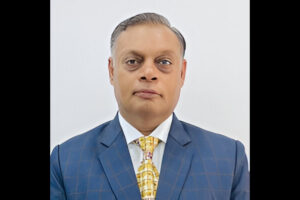
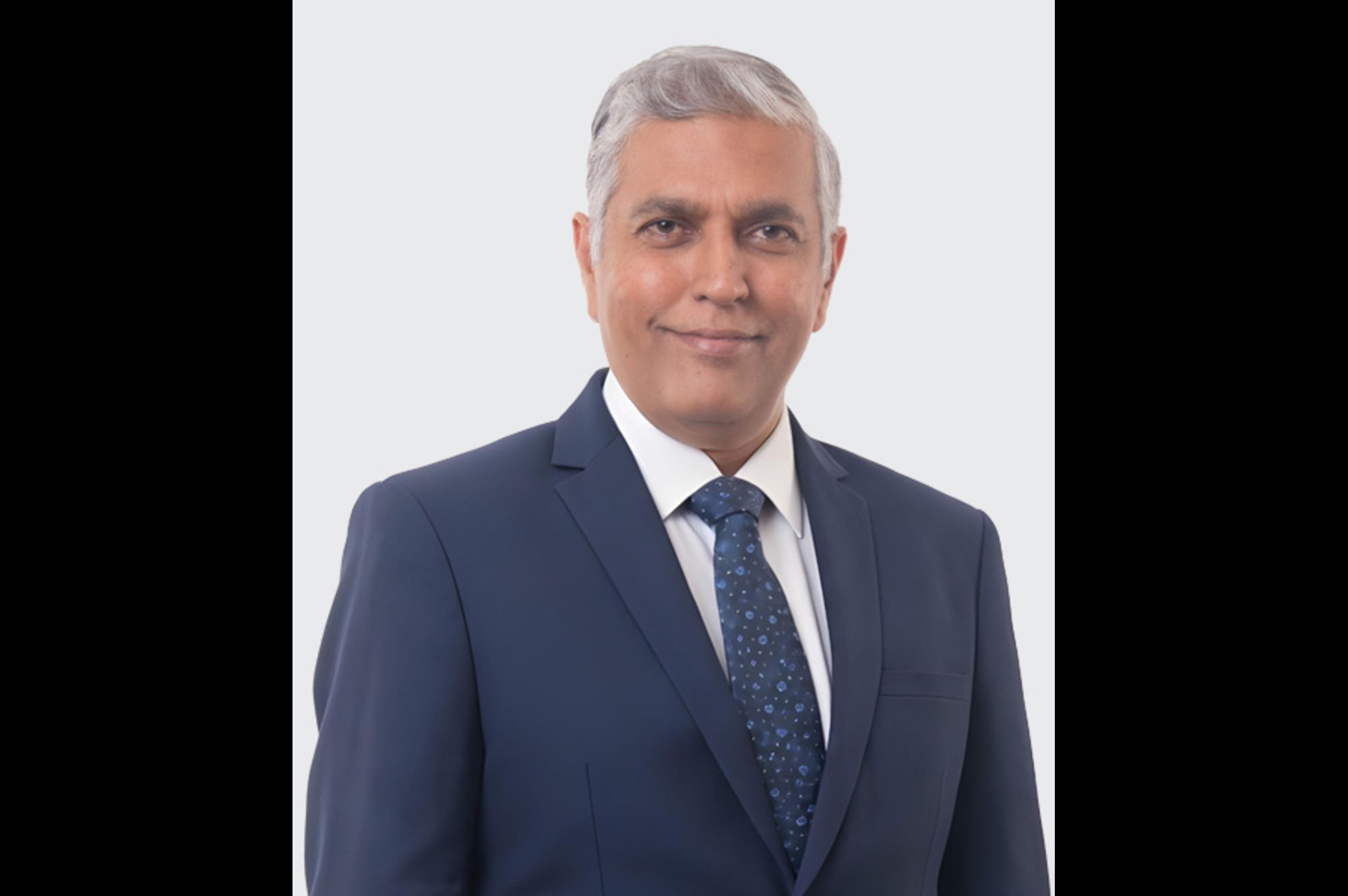
Interview: B C Rajesh, President – Industrial Infra, Thermax Babcock & Wilcox Energy Solutions

With the government intensifying its focus on reducing carbon emissions and promoting industrial sustainability, the market for energy-efficient and low-emission solutions is expanding rapidly. How is TBWES aligning its technologies and business strategy to capitalise on this transition?
Over the last few years, I have seen a noticeable shift in customer conversations. The focus is no longer limited to capacity expansion; it increasingly includes improving energy efficiency and reducing emissions in both new investments and existing operations. At the same time, recent geopolitical developments have reminded us that energy security, affordability and reliability remain equally important. What we are witnessing today is not a choice between energy transition and energy security, but an effort to balance both. Our approach is rooted in this reality. Different industries are at different stages of their transition journey, and each one of these industries will require a different pathway.
Our focus is therefore on helping customers improve energy productivity while progressively reducing emissions. Through TBWES, this includes high-efficiency boilers (both subcritical and supercritical) and fired heaters, waste heat recovery systems, heat recovery steam generators (HRSGs), fuel-flexible solutions, waste-to-energy systems and digital solutions that improve plant performance, leveraging the full breadth of our product and solution portfolio. Through our P&ES business, we support customers with EPC solutions across power generation, industrial energy infrastructure and emerging sustainability-focused projects. Together, these capabilities allow us to engage across the entire value chain – from conceptualisation and design to engineering and project execution to plant operations, performance improvement and lifecycle support. We are also seeing increasing interest in emerging opportunities such as biofuels, carbon utilisation and circular economy solutions. However, in many cases, the most immediate gains still come from improving efficiency and recovering energy that would otherwise be lost. Ultimately, successful transition pathways will be those that are technically sound, economically viable and operationally reliable. Our role is to help customers navigate that journey with competitive solutions and create maximum impact.
Having executed projects across different geographies, what operational or engineering best practices from global markets do you believe can significantly improve India’s industrial and power sectors?
Having executed projects across Latin America, Southeast Asia, Africa and the Middle East, one observation that consistently stands out is the importance placed on planning discipline, making the right commitments and holding on to those commitments in a non-negotiable manner. The decisions emerging out of these beliefs in terms of deploying resources, detailing during the conception stage, risk assessments, selection of partners, cost assessments, plugging past learnings and developing an execution strategy are quite evolved.
Modularisation is another good example. As projects become larger and timelines more demanding, success increasingly depends on planning, standardisation and disciplined execution. By shifting more work into controlled manufacturing environments, projects can improve quality, enhance safety and reduce delivery risks. This approach is particularly relevant as India embarks on a new cycle of industrial and infrastructure growth. Another area where global markets offer valuable lessons is lifecycle services. Customers increasingly evaluate suppliers not only on what they build, but on how effectively they support assets throughout their operating life. Maintenance support, reliability enhancement and performance optimisation are increasingly becoming important considerations in the selection of long-term partners. Manufacturing discipline is equally critical. International standards such as ASME, PED and other global quality frameworks create a common language of quality, safety and reliability. They provide customers with confidence in the equipment and processes behind it, while enabling Indian companies to participate more meaningfully in global supply chains and export markets. India has already demonstrated strong capabilities in design, engineering, and manufacturing. The next phase of growth will depend on how effectively we integrate these strengths, execute at scale, and consistently meet expectations – delivering on our “say-do” commitments in terms of time, quality, and performance.
With industry moving towards advanced technologies, automation, and sustainable energy systems, how important is skill development and workforce upskilling for the future of the EPC and boiler industry? What steps is TBWES taking to build a future-ready talent pool?
I am a strong believer of Packard’s Law “No company can consistently grow revenues faster than its ability to get enough of the right people to implement that growth and still become a great company.” If I were to identify one factor that will differentiate successful organisations over the next decade, it would be people capability. Technology is becoming increasingly accessible. Automation, digital engineering, AI-enabled analytics and advanced manufacturing technologies are available to most companies. The real differentiator is the ability of people to re-imagine and deploy these tools effectively and consistently. At Industrial Infra, we are seeing greater adoption of automation in manufacturing, advanced fabrication technologies such as orb welding, and increasing use of digital tools across engineering and project execution. These changes naturally require continuous learning and upskilling. Our response has been to invest systematically in capability development through various initiatives such as developing a structured capability-building platform, a cross-functional problem-solving and innovation programme, leadership development programmes across levels, systematic improvement plans and operational excellence initiatives. These programmes are designed not only to enhance technical skills but also to strengthen problem-solving, collaboration, digital adoption and leadership capabilities.
Equally important is creating a culture where learning becomes continuous and systemic. The skills that helped us succeed in the past may not be sufficient for the opportunities and challenges ahead. As our industry evolves, future-ready organisations will be those that successfully combine engineering fundamentals, digital capabilities, execution excellence and customer-centric thinking. Building this combination at scale remains one of our key priorities.
With the government placing strong emphasis on infrastructure growth, energy security, and carbon reduction, how do you view the current policy environment for the thermal power and industrial energy sectors? What additional policy support would help accelerate technology adoption and sustainable growth in the industry?
Over the past few years, energy conversation has evolved significantly. A few years ago, much of the focus was centred around energy transition. Today, energy security and resilience have firmly returned to the discussion, driven by supply chain disruptions, increasing electrification and rapidly growing power demand – even as the world continues to stay on course with the energy transition journey. What is becoming increasingly clear is that countries are not choosing between energy security and energy transition; they are trying to achieve both simultaneously. We see this across India, China, Europe and the United States. Even as renewable capacity continues to grow, there is renewed recognition of the role that reliable thermal and industrial energy infrastructure must play in supporting economic growth. We are also seeing renewed interest in technologies such as coal and biomass gasification-based solutions as countries look to strengthen energy security while reducing dependence on imported fuels and feedstocks. India’s policy approach has been relatively balanced. Investments in renewable energy, transmission infrastructure, domestic manufacturing and thermal generation are all moving in parallel. This is important because India’s growth aspirations will require significant additions across the energy value chain. Continued encouragement of private sector participation, technology partnerships and public-private collaboration will also be important in accelerating investments, scaling new technologies and bridging the gap between innovation and commercial deployment. Going forward, policy support could further accelerate the adoption of emerging low-carbon technologies, alternative fuels, carbon management solutions and circular economy initiatives. Faster approvals, stronger domestic supply chains and support for demonstration projects would also help bridge the gap between innovation, pilot projects and commercial deployment. The changing geopolitical landscape presents both challenges and opportunities. While it creates uncertainty around supply chains and commodity markets, it is also driving greater investment in resilient and diversified energy infrastructure across regions on the basis of the energy source available within India.
What role can waste heat recovery systems play in supporting India’s broader energy transition and industrial sustainability goals? How is TBWES contributing to this shift, and what new technologies or innovations has the company introduced in the waste heat recovery segment?
One of the most effective ways to improve sustainability is often one of the simplest: harness the energy that is already being generated more efficiently. Across industries such as cement, steel, sponge iron, refining, petrochemicals and metals, significant quantities of energy leave the process as waste heat. Recovering that energy, mainly in terms of waste heat or waste gases, and converting it into useful steam or power improves overall plant efficiency while reducing fuel consumption and emissions. What makes waste heat recovery particularly attractive is that it aligns environmental objectives with business objectives. It allows customers to improve competitiveness and sustainability simultaneously. We have been working in this space for several decades through waste heat recovery boilers as well as HRSGs, across sectors, helping customers improve energy utilisation. One of the interesting developments we are seeing is how the opportunity itself continues to evolve. Historically, much of the demand came from sectors such as cement, sponge iron, sulphuric acid, carbon black, and refinery and petrochemical applications, where waste heat recovery was primarily viewed as an efficiency and cost-reduction initiative. Today, the conversation is becoming much broader. We are seeing growing interest from sectors such as ferro alloys, sinter plants, reheating furnaces, glass manufacturing and other high-temperature industrial processes. At the same time, as the steel industry explores pathways such as DRI, electric arc furnaces and, eventually, hydrogen-based steelmaking, new opportunities for heat recovery are beginning to emerge. What is encouraging is that waste heat recovery sits at the intersection of competitiveness and sustainability. Unlike many emerging technologies that require significant ecosystem changes, it leverages existing industrial processes and delivers tangible benefits from day one. In my view, this is why waste heat recovery and HRSG-based energy recovery solutions will continue to remain among the most practical pathways available to industry as it pursues both greater efficiency and lower-carbon growth. In fact, one area where I believe the industry can do more is by evaluating waste heat recovery opportunities at the design stage itself. Too often, these opportunities are assessed after a plant has been commissioned. Integrating waste heat recovery into greenfield projects from the outset can unlock significantly greater efficiency gains, improve project economics and create a stronger sustainability outcome over the life of the asset.
With increasing emphasis on ‘Make in India’ and supply chain resilience, how important is localisation in the boiler and EPC industry? How is TBWES strengthening indigenous manufacturing, sourcing, and engineering capabilities to enhance competitiveness and reduce dependency on imports?
The last few years have fundamentally changed how companies think about supply chains. Historically, efficiency and cost optimisation were often the primary considerations. Today, resilience, reliability and supply assurance have become equally important. Recent disruptions across global logistics, geopolitical developments and raw material volatility have reinforced this reality. For the boiler and EPC industry, localisation is therefore about much more than import substitution. It is about creating a robust ecosystem that improves responsiveness, reduces lead times and strengthens execution certainty. We continue to invest in indigenous engineering, manufacturing capability and supplier development. Equally important is the development of long-term vendor partnerships that can support the scale and complexity of future projects. Initiatives such as ZED (Zero Defect Zero Effect) are helping drive a common focus on quality, productivity, sustainability and competitiveness across the broader manufacturing ecosystem. In many ways, strengthening suppliers is as important as strengthening our own capabilities. We also consciously focus on engineering and design choices that maximise local sourcing opportunities wherever technically and commercially feasible, reducing dependence on imports while strengthening the domestic manufacturing ecosystem. We are also seeing increasing opportunities to serve international markets from India. In that context, localisation should not be viewed only through a domestic lens. It should be viewed as a pathway towards making India a globally competitive manufacturing and engineering hub, capable of serving both domestic and global customers with the same level of confidence, quality, reliability and at scale.
TBWES recently secured a ₹1,600 crore boiler package order for an ultra-supercritical thermal power project. Could you elaborate on the execution challenges involved in large-scale projects and how Thermax addresses it?
Winning a large project is an important milestone, but it is only the beginning of the journey. The true test lies in execution. Large projects involve detailed planning and coordination across engineering, procurement, manufacturing, logistics, construction, commissioning and stakeholder management, often over multiple years. The complexity increases further when dealing with ultra-supercritical technology, where quality requirements, delivery commitments and execution discipline need to be consistently maintained across the entire value chain. Successful project delivery depends as much on ecosystem readiness as on technical capability. Vendor capacity, supply chain stability, skilled manpower availability and timely decision-making all become critical factors. In recent years, we have also seen significant volatility in commodities such as steel, copper and aluminium, creating additional challenges for planning and execution. Transportation and logistics are equally important, particularly for large boiler components where movement from manufacturing facilities to project sites requires detailed planning and coordination. Safety remains our highest priority. Alongside this, our focus is on right-first-time engineering and manufacturing, disciplined project governance, and robust execution controls across the project lifecycle. By leveraging our state-of-the-art manufacturing facilities, engineering and execution capabilities, and the broader supplier ecosystem, we are strengthening our ability to deliver with consistency and scale. We are also investing in organisation building and capability enhancement to support larger and more complex projects in the future. A key strength for us is the support of our technology partner, Babcock & Wilcox, widely regarded as one of the pioneers of modern supercritical boiler technology in the utility sector. Their decades of experience in utility-scale boiler projects across global markets bring valuable technology expertise, engineering know-how and execution learnings to our projects. Ultimately, I believe the industry’s challenge is no longer limited to winning opportunities. It is ensuring that projects are delivered safely, competitively, on schedule and with the quality and performance outcomes that customers expect.
How is TBWES leveraging advanced technologies such as digital engineering, automation, IoT, AI, and energy-efficiency solutions to enhance operational performance, predictive maintenance, reliability, and sustainability across its projects and offerings?
Technology has become an enabler of better engineering and better decision-making across the project value chain and lifecycle. In the past, many technology discussions focused on automation alone. Today, the conversation is much broader with emerging technologies. At Industrial Infra, technology adoption starts right from the engineering stage. We are increasingly leveraging 3D engineering across our product and project portfolio. We have also established dedicated automation and Operational Excellence cells that continuously identify opportunities to automate repetitive engineering, manufacturing and site activities. This includes automation of drawings, P&IDs, specifications, engineering documents and manuals through parameterised inputs and smart templates. The objective is not only to improve productivity, but also to enhance consistency, reduce cycle times and minimise the possibility of human error. Within Industrial Infra, these technologies are applied across multiple stages – from engineering and manufacturing to commissioning and operations. The convergence of Information Technology (IT) and Operational Technology (OT), combined with IoT-enabled systems, is helping create greater visibility across the asset lifecycle. Digital tools and automation not only improve design accuracy but also enhance productivity. Asset monitoring systems provide greater visibility into equipment health and operational performance. A good example is Thermax EDGE Live®, our digital platform designed to enhance asset performance and optimise operations. By leveraging live plant data, analytics and AI-driven insights, EDGE Live® helps customers improve decision-making, monitor equipment health, and optimise plant performance. However, it is important to recognise that technology is a means rather than an end. The objective is not to deploy technology for its own sake, but to create measurable improvements in safety, reliability, productivity, quality, and customer outcomes. This journey begins with identifying pain areas and relevant use cases, learning from best practices, staying curious about emerging technologies, piloting solutions, refining them through feedback, and ultimately scaling what delivers meaningful outcomes.
How does TBWES differentiate itself in areas such as maintenance support, performance optimisation, digital monitoring, and lifecycle services for its boiler and energy solutions?
Customers today increasingly evaluate suppliers based on the value they create over the life of an asset rather than solely at the point of installation. This shift is creating greater importance for lifecycle services, maintenance support and operational excellence. Customers are looking for partners who can help improve reliability, availability, efficiency and asset life over decades, not just during project execution. Our services portfolio spans renovation and modernisation, reliability assessments, boiler health evaluations, remaining life studies, performance improvement initiatives, digital monitoring solutions and long-term maintenance support. These services help customers improve plant performance while maximising returns from existing assets. Through our P&ES business, we bring additional strengths in Operations & Maintenance (O&M), asset management and plant operations. This allows us to support customers not only with equipment and technology, but also with day-to-day operational excellence, performance improvement and long-term asset stewardship. What differentiates effective lifecycle support is the combination of design and engineering knowledge, manufacturing expertise, field experience and execution capability. Understanding how an asset was originally designed and manufactured, how it has operated over time and where performance improvements can be achieved provides a strong foundation for delivering value to customers. Our multi-locational and modern manufacturing facilities, along with a robust supply chain, play an important role in supporting customers through replacement equipment, critical spares, upgrades, renovation and modernisation programmes, helping extend asset life and improve performance over the long term. We are also seeing an increasing interest in digital monitoring and predictive maintenance solutions that provide better visibility into equipment health and operating conditions. For many customers, extending asset life, improving efficiency and reducing unplanned outages often deliver greater value than large capital investments. Ultimately, our objective is to remain engaged throughout the lifecycle of the asset and help customers continuously improve reliability, performance, and operational outcomes. In an increasingly competitive and continuously evolving environment, this long-term partnership approach allows us to create greater value and more meaningfully fulfil our purpose.
With India targeting significant reductions in industrial carbon emissions and accelerating its transition towards sustainable manufacturing, what are TBWES’ growth plans for the next three years? How do you see the company evolving its portfolio to support the future needs of low-carbon and energy-efficient industries?
India’s long-term industrial outlook remains very compelling. Manufacturing growth, infrastructure investments, urbanisation, increasing digitalisation and rising energy demand will continue to create opportunities across multiple sectors. We are also seeing new demand drivers emerge, including data centres, advanced manufacturing and energy-intensive industries seeking greater efficiency and sustainability. Against this backdrop, our focus over the next three years will be on strengthening our core businesses while expanding capabilities that align with future customer needs. Large boilers, fired heaters, HRSGs, waste heat recovery systems and EPC solutions will remain important pillars of the portfolio. Alongside these, we see growing opportunities in lifecycle services, waste-to-energy solutions, fuel-flexible systems, industrial decarbonisation, and digital offerings that improve asset performance. At the same time, we are actively building capabilities in a number of emerging areas that we believe will shape the next phase of industrial growth. These include biofuels, green hydrogen derivatives and circular economy opportunities. While many of these markets are still evolving, they are steadily moving from concept to commercial reality and creating meaningful opportunities for engineering, EPC, and technology-led execution. We will also continue to strengthen global partnerships and technology collaborations that enhance our ability to serve customers across both conventional and emerging energy segments. More broadly, I see Industrial Infra leveraging its core capabilities in design, engineering, manufacturing, and multi-disciplinary project execution to evolve into a long-term partner for customers, addressing their current and emerging needs in energy, environment and infra, and emerging as a truly world-class technology and project execution organisation.
Tags