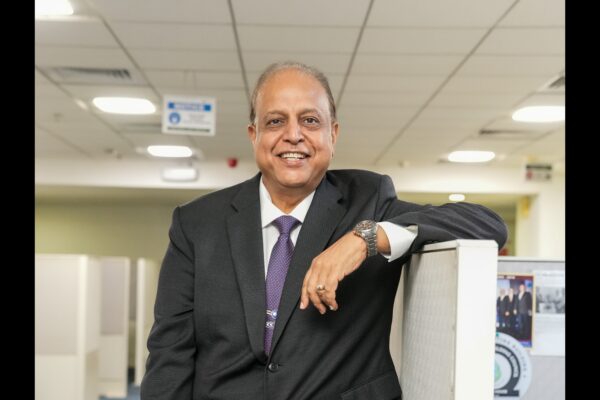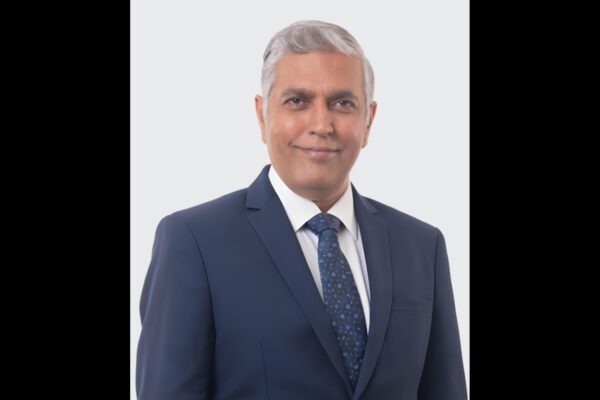
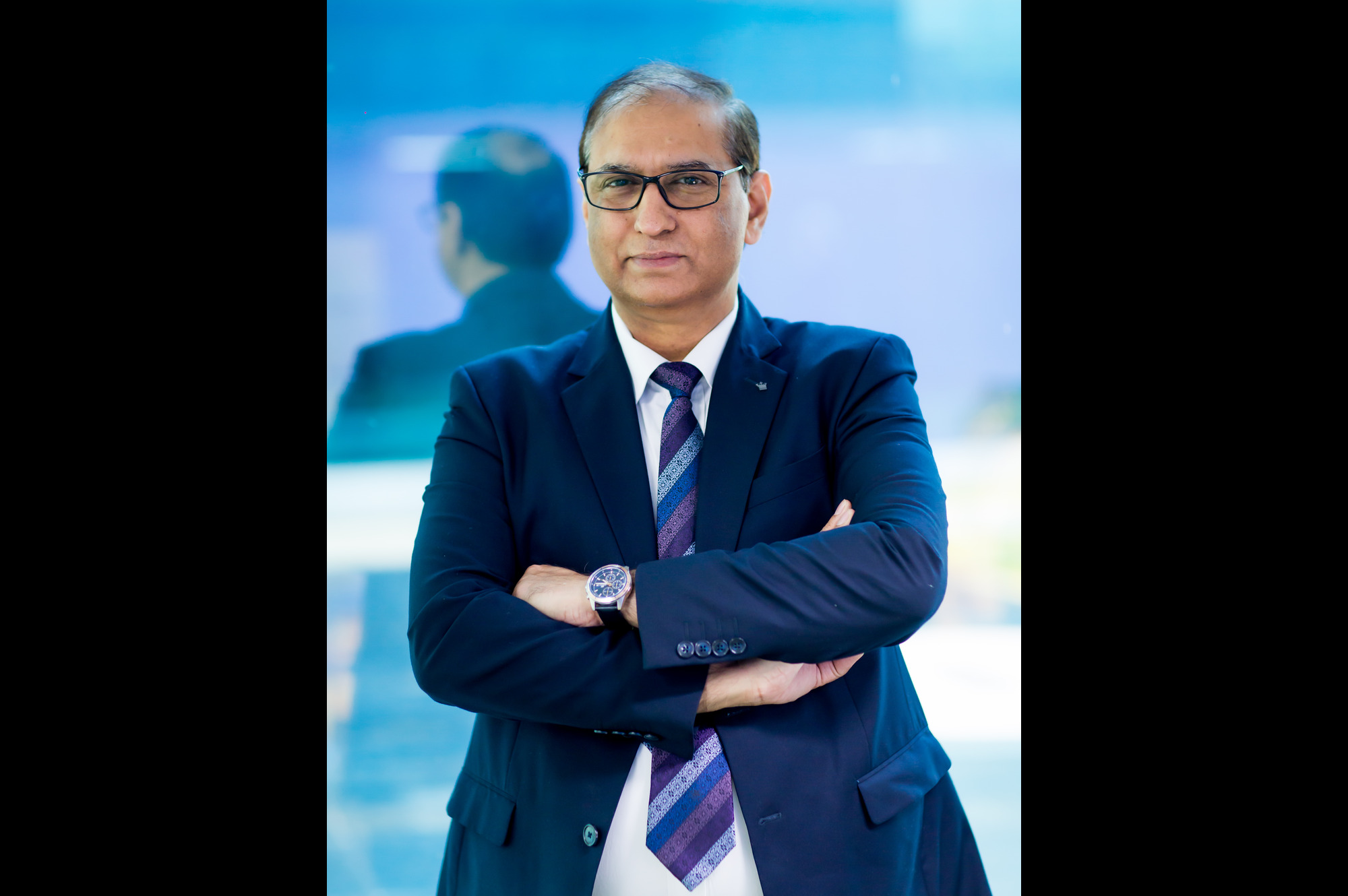
Interview: Kamal Verma, CEO, Water Business, Triveni Engineering & Industries

With water scarcity becoming a growing concern across many Indian cities, can wastewater treatment and reuse emerge as a sustainable solution to address the country’s water security challenges? What is your perspective and what steps are needed to accelerate its adoption?
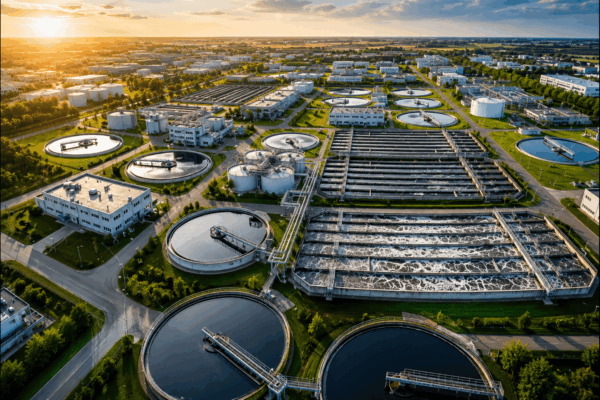
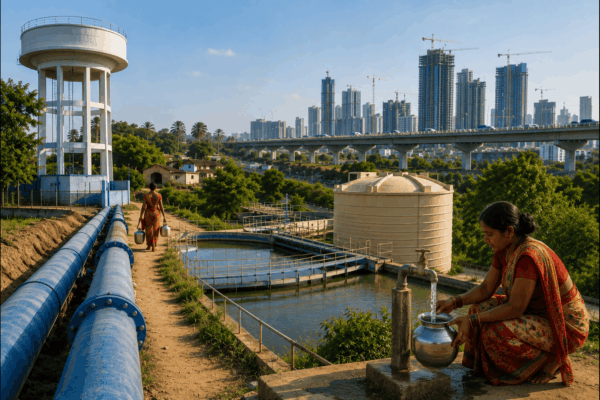
India is one of the most water-stressed countries in the world, despite being home to nearly 18% of the global population and having access to only about 4% of the world’s freshwater resources. In this context, wastewater treatment and reuse are no longer optional, but essential for ensuring long-term water security. Wastewater treatment and reuse is not just a viable alternative, it is an absolute strategic necessity for securing India’s water future. Treated wastewater should be viewed as a valuable resource rather than waste. Reusing treated industrial wastewater and municipal sewage for non-potable applications across industries, agriculture and urban infrastructure can significantly reduce pressure on freshwater resources while promoting a circular water economy. To accelerate adoption, a multi-pronged approach is required. Urban Local Bodies (ULBs) need stronger financial and operational capabilities to develop and maintain wastewater infrastructure. At the same time, innovative financing mechanisms such as Public-Private Partnerships (PPP) and the Hybrid Annuity Model (HAM) should be encouraged to attract greater private sector participation. Expanding access to long-term funding and creating commercially viable project structures will be critical for scaling wastewater treatment and reuse across the country. Moreover, enforce rules requiring thermal power plants, construction sites, and heavy manufacturing units within 50 km of urban areas to utilize treated sewage for cooling and industrial processes.
As wastewater projects become larger and more technologically complex, how are EPC companies adapting their project execution strategies to improve efficiency, sustainability and long-term operational performance? How is your organisation contributing to this transformation?
As wastewater projects become more complex, Engineering, Procurement and Construction (EPC) companies are moving beyond conventional engineering and construction to deliver integrated, technology-driven lifecycle-oriented solutions. Today, success is measured not only by project execution but also by long-term plant performance, operational efficiency and sustainability. We have deployed latest technologies like MBBR, UF/ RO and Zero Liquid Discharge to transform complex wastewater for recycle & reuse. We have adopted multiple project delivery models, including EPC, Public Private Partnerships (PPP), Hybrid Annuity Model (HAM), and Build Own Operate Transfer (BOOT), enabling us to address varying customer requirements while supporting sustainable infrastructure development. Our in-house engineering, design, and equipment manufacturing capabilities enable us to execute medium- and large-scale projects like Bangalore Water Supply & Sewerage Board (STP), Delhi Jal Board (Kondli), and Common Effluent Treatment Plant (CETP) Foundation, with greater quality control and faster delivery. We also place significant emphasis on operations and maintenance as an integral part of project execution. By focusing on lifecycle costs, operational reliability and energy-efficient designs, we help utilities and industries achieve sustainable performance over the long term rather than simply delivering infrastructure.
How has your organisation leveraged digital and advanced treatment technologies, such as Moving Bed Biofilm Reactor (MBBR), AI, IoT, digital twins and resource recovery solutions, to enhance project delivery, plant performance and sustainability?
Technology plays an increasingly important role in improving the efficiency and sustainability of modern wastewater treatment plants. We leverage advanced treatment technologies such as Sequencing Batch Reactors (SBR), Moving Bed Biofilm Reactors (MBBR), Ultra Filtration (UF), Reverse Osmosis (RO), and Zero Liquid Discharge (ZLD), depending on project requirements, to achieve high treatment efficiency and enable water recycle & reuse. On the digital front, we integrate IoT-based monitoring systems with Programmable Logic Controller (PLC) and Supervisory Control and Data Acquisition (SCADA) platforms to provide real-time visibility into plant operations, water quality and equipment performance. These systems enable proactive maintenance, optimise plant operations and reduce unplanned downtime, leading to improved operational efficiency. Resource recovery is another important focus area. We have implemented Zero Liquid Discharge (ZLD) systems across all our distillery units and at our power transmission manufacturing facility, ensuring that water is recycled and reused within operations. While digital technologies such as AI are increasingly shaping engineering and industrial operations, our current focus in the water business is on automation, real-time monitoring and process optimisation to deliver reliable and sustainable treatment solutions.
While the government has undertaken several initiatives, such as Namami Gange and AMRUT 2.0, challenges in wastewater treatment, reuse and long-term sustainability persist. What further policy and regulatory reforms are needed to accelerate the sector’s growth?
While flagship Government programmes such as Namami Gange, AMRUT and the Jal Jeevan Mission have significantly strengthened India’s water and sanitation infrastructure, a major challenge persists- a 50% gap remains between required urban capital/ O&M investments and current funding scales. Achieving long-term sustainability will require the next phase of policy reforms to focus on implementation, financing and reuse. One of the key priorities should be creating new funding avenues that complement government investments and encourage greater private participation. Models such as Public Private Partnerships (PPP) and Hybrid Annuity Model (HAM) have demonstrated their effectiveness and should be expanded further across wastewater projects. Equally important is strengthening the financial and operational capabilities of Urban Local Bodies so that treatment plants can be operated and maintained efficiently throughout their lifecycle. Policies that encourage treated wastewater reuse through appropriate pricing mechanisms and greater industrial adoption can also help create a sustainable market for recycled water. A combination of supportive regulation, innovative financing and stronger institutional capacity will be essential to accelerate the sector’s growth.
With wastewater expected to play a critical role in India’s water security, what are your organisation’s key priorities and strategic initiatives over the next five years to support this vision?
We see wastewater treatment, recycling and reuse becoming one of the most important pillars of India’s water security strategy over the coming years. As a result, these segments will continue to remain key growth areas for our Water Business Group. Our priorities include expanding our capabilities in wastewater recycling, reuse and Zero Liquid Discharge (ZLD) solutions while continuing to deliver efficient and sustainable treatment infrastructure through EPC, PPP and HAM models. We also intend to strengthen our long-term operations and maintenance capabilities to ensure that projects continue to deliver reliable performance throughout their lifecycle. Serving diverse industries such as Municipal Wastewater Treatment Plant (WTP), Sewage Treatment Plant (STP), Common Effluent Treatment Plant (CETP) and Zero Liquid Discharge system for Industrial clusters, Textile Dyeing & Printing units, Refineries, Coal, Sand Processing Plant, Non-ferrous Industries, Oil & Gas, Thermal Power Plants, Steel Plants, Sugar & Allied Industries, Desalination, etc. Beyond India, we are evaluating opportunities in international markets across Asia, Africa and the MENA region, where we already possess the necessary pre-qualifications and technical expertise. We also remain committed to working closely with municipal corporations, water boards and other stakeholders to support the development of sustainable water infrastructure. With continued investment in advanced technologies, efficient project execution and circular water management, we believe we can make a meaningful contribution to India’s long-term water security objectives.
Tags