Why India’s MSMEs Need Infrastructure Innovation, Not Just Financial Incentives

by Dr. Yogesh Bhatia, MD & CEO, LML Realty
Micro, Small and Medium Enterprises (MSMEs) contribute nearly one-third of India’s GDP, account for almost half of the country’s exports, and employ millions across sectors. Their role in India’s manufacturing ambitions has never been more important. As the country pursues the vision of becoming a global manufacturing hub, the success of this journey will depend significantly on how effectively MSMEs are able to expand, modernise and compete.
Over the years, policymakers have introduced several financial incentives aimed at strengthening the sector. Capital subsidies, tax benefits, interest subventions, production-linked incentives and credit support have undoubtedly improved access to finance and encouraged investment. These initiatives have created momentum, but they address only one part of a much larger challenge.
The more fundamental issue lies in the infrastructure environment within which MSMEs operate.
The Hidden Cost of Fragmented Industrial Development
For many companies, the establishment of their manufacturing plant remains a long and costly affair. Entrepreneurs have to approach several government departments before establishing a manufacturing plant to obtain land, statutory clearances, construction, utility connection, and environment-related clearance.
All this takes time and raises the costs of project implementation. Such a scenario becomes a deterrent for small-scale entrepreneurs whose investment decisions affect their financial resources directly. Incentives in terms of finance may lower the cost of investment but will not make up for time and cost involved in project implementation.
Infrastructure as a Competitive Advantage
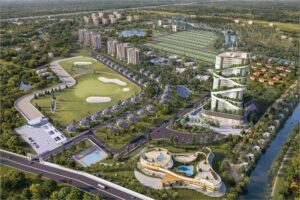
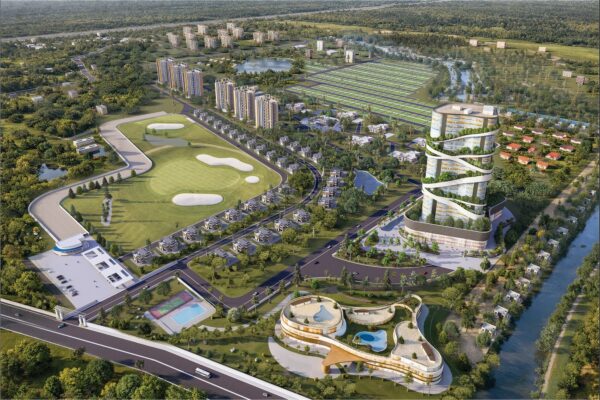
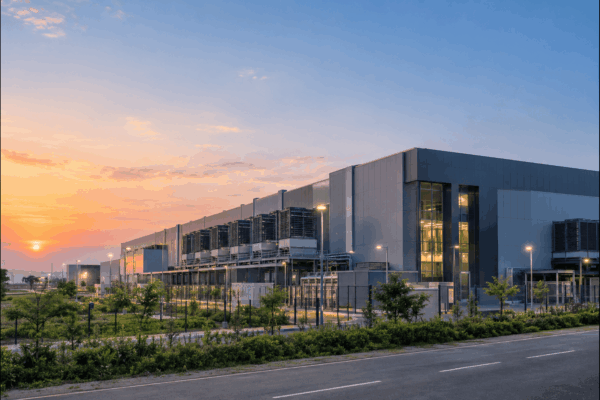
The next phase of India’s industrial growth requires a shift in thinking from simply providing industrial land to creating integrated manufacturing ecosystems. Industrial infrastructure today must go beyond roads and utilities. Businesses increasingly need ready-to-develop industrial parks that offer common environmental infrastructure, reliable power, efficient logistics, regulatory preparedness and business support services.
Shared facilities such as sewage treatment plants, common effluent treatment systems, rainwater harvesting infrastructure and dedicated utility networks not only improve operational efficiency but also reduce the cost of compliance for individual enterprises. This becomes particularly valuable for MSMEs, which often lack the financial capacity to develop such infrastructure independently.
Simplifying Manufacturing Through Integrated Development
The innovations in infrastructure are also about simplifying processes. Manufacturers need not negotiate individually with a variety of contractors, consultants and regulators before they can start their business operations. The models of integrated development, which include land, construction, approval and infrastructure all in one process, help tremendously cut down time and increase predictability.
The capability of building a factory in months instead of years is now a competitive edge for manufacturers. Speed of execution is turning out to be as important a criterion as cost competitiveness amid the increasing dynamism of the global supply chains.
Building Industrial Clusters That Enable Growth
Industrial competitiveness is rarely created in isolation.Cluster-based development enables businesses to benefit from proximity to suppliers, logistics providers, service partners and complementary industries. Shared infrastructure reduces operational costs, encourages collaboration and improves supply chain efficiency.
When industrial ecosystems are thoughtfully planned, they generate benefits that extend well beyond individual enterprises. They create employment, attract investment, stimulate regional economic development and strengthen local manufacturing capabilities.
For emerging manufacturing destinations, such integrated ecosystems become catalysts for long-term industrialisation rather than isolated real estate developments.
Sustainability Must Be Built Into Industrial Infrastructure
Sustainability is something that is becoming more of a factor for manufacturers, investors and consumers around the world.
Rather than leaving each company to build its own infrastructure, which contributes to sustainability, industrial parks need to build it into the system as a whole. Shared sewage systems, resource efficiencies, water-saving techniques and sustainable utility networks will make manufacturing easier, especially for smaller businesses.
If a business doesn’t have to deal with environmental issues, it can concentrate on innovation, production and growth.
Enabling India’s Manufacturing Ambitions
India’s ambitions in manufacturing cannot be fulfilled by financial rewards alone.
Its upcoming journey in terms of industrial development hinges on the ability to build infrastructural facilities that are faster to set up, easier to manage and responsive to the changing requirements of manufacturers.
MSMEs need ecosystems that simplify processes rather than complicate them. MSMEs need integrated infrastructures that cut down time-to-market, decrease operational challenges and allow companies to expand confidently.
As India steps into its journey of becoming a major manufacturing nation, infrastructure innovation plays just as important a part as financial policies do. Together, they can help in creating an atmosphere that does not just facilitate the emergence of MSMEs but also helps them grow, compete internationally and contribute positively to India’s economic development.
Tags