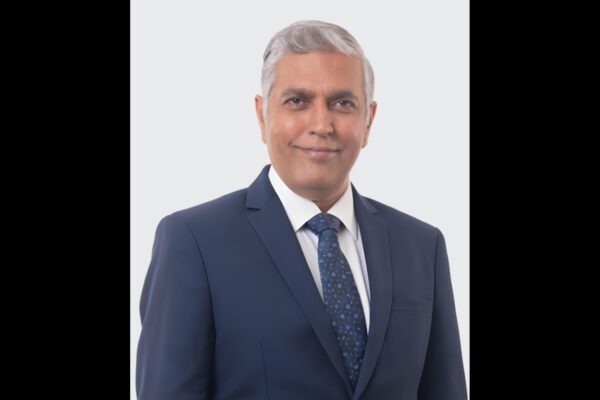

Interview: Manish Jain, Managing Director, Enviro Infra Engineers

With water scarcity becoming a growing concern across many Indian cities, can wastewater treatment and reuse emerge as a sustainable solution to address the country’s water security challenges? What is your perspective and what steps are needed to accelerate its adoption?
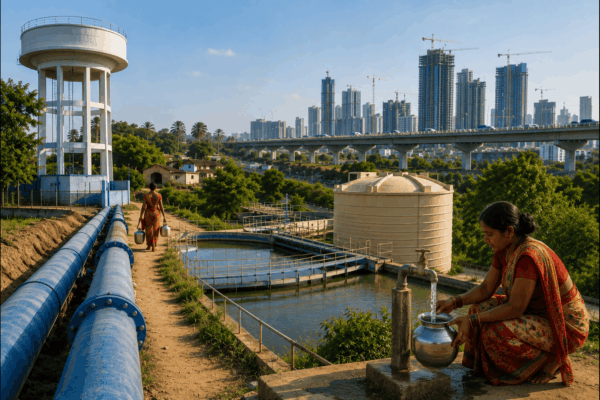
India cannot solve its water crisis by relying only on freshwater resources. The future of water security lies in treating wastewater not as waste, but as a strategic resource that can be recycled, reused and reintegrated into the economy. Today, our urban centres generate nearly 72,000 million litres of wastewater every day, yet only about 28% is treated. This gap represents not just an environmental challenge, but one of India’s biggest untapped opportunities. As cities such as Bengaluru, Chennai, and Delhi continue to experience recurring water stress, wastewater reuse must become a mainstream component of water management. We need to move towards a circular water economy where treated wastewater is viewed as a reliable alternative source for industrial processes, landscaping, agriculture, and even indirect potable applications. To accelerate adoption, the focus should be on building high-quality treatment infrastructure, improving public awareness and acceptance of recycled water, leveraging advanced treatment technologies, and demonstrating the economic benefits of water reuse. Equally important is integrating resource recovery solutions such as biogas generation, energy recovery, and water recycling into treatment facilities, transforming them from cost centres into sustainable infrastructure assets. We believe wastewater treatment is no longer just an infrastructure requirement – it is one of the most important investments India can make towards securing its future.
As wastewater projects become larger and more technologically complex, how are EPC companies adapting their project execution strategies to improve efficiency, sustainability and long-term operational performance? How is your organisation contributing to this transformation?
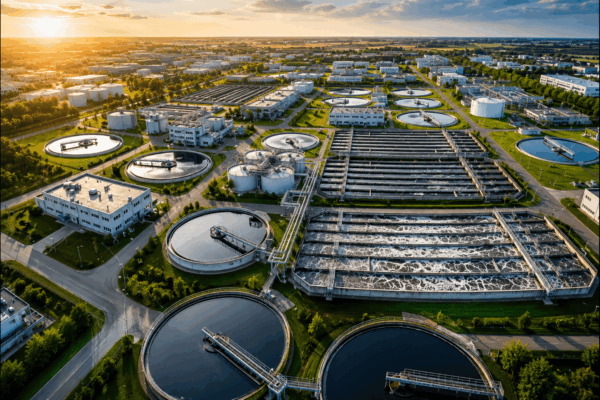
The expectations from EPC companies have fundamentally changed. Today, clients are no longer looking for contractors who simply build treatment plants – they expect partners who can deliver reliable, efficient and sustainable infrastructure that performs consistently over decades. This has driven the industry towards integrated project delivery, digital engineering, lifecycle planning and the adoption of advanced treatment technologies. The focus has shifted from merely completing projects on time to creating assets that optimise energy consumption, maximise water recovery and remain operationally efficient throughout their lifecycle. This philosophy has always guided our approach. Our strength lies in combining engineering excellence with execution discipline and process expertise. Over the years, we have successfully delivered a wide range of sewage treatment plants, common effluent treatment plants, water treatment plants and sewerage infrastructure across the country. We place significant emphasis on selecting the right technology for every project, maintaining the highest quality standards and ensuring timely execution without compromising sustainability. Every project we undertake is designed with operational efficiency, energy optimisation and long-term reliability at its core. As India significantly expands its investments in water infrastructure, EPC companies will play a defining role in shaping the country’s water future. We see ourselves not merely as builders of infrastructure, but as long-term partners in strengthening India’s water security.
How has your organisation leveraged digital and advanced treatment technologies, such as membrane bioreactors (MBRs), AI, IoT, digital twins and resource recovery solutions, to enhance project delivery, plant performance and sustainability?
Technology has become one of the biggest differentiators in the wastewater sector. We believe innovation must deliver measurable value – not simply add complexity. Our technology choices are always driven by the specific needs of each project. Where higher treatment efficiencies and water reuse are required, we deploy advanced membrane-based treatment systems and other specialised process technologies. On the digital side, we are increasingly integrating automation, SCADA and IoT-enabled monitoring across our projects. These systems provide real-time visibility into plant operations, improve process optimisation, enable predictive maintenance and significantly enhance operational reliability while reducing lifecycle costs. Looking ahead, technologies such as artificial intelligence, digital twins and resource recovery will redefine how wastewater infrastructure is designed and operated. They will make treatment plants smarter, more energy-efficient and increasingly self-optimising. Our commitment is to remain at the forefront of these advancements and continue adopting technologies that deliver better outcomes for our clients while contributing to India’s transition towards a circular and sustainable water economy.
While the government has undertaken several initiatives, such as Namami Gange and AMRUT 2.0, challenges in wastewater treatment, reuse and long-term sustainability persist. What further policy and regulatory reforms are needed to accelerate the sector’s growth?
The Government has made remarkable progress through programmes like Namami Gange and AMRUT 2.0. These initiatives have significantly strengthened wastewater infrastructure and demonstrated the country’s commitment towards improving water management. The challenge now is to maximise the long-term impact of these investments. Going forward, policy reforms should increasingly focus on lifecycle performance rather than project commissioning alone. Sustainable operation and maintenance are just as important as creating infrastructure. Greater coordination between urban local bodies, utilities and regulatory authorities will also be essential to improve implementation and accountability. Equally important is creating a stronger ecosystem for wastewater reuse. Clear policy mandates, industry incentives and implementation frameworks can encourage municipalities and industries to adopt treated wastewater on a much larger scale. Expanding public-private partnerships will further accelerate investment, bring in innovation and improve operational efficiencies. India has already laid a strong foundation. The next phase should focus on building an ecosystem where treated water becomes an integral part of the country’s water supply strategy rather than an alternative source.
With wastewater expected to play a critical role in India’s water security, what are your organisation’s key priorities and strategic initiatives over the next five years to support this vision?
India is entering a defining decade for water infrastructure. As demand continues to rise, wastewater treatment and reuse will become central to ensuring sustainable economic growth and long-term water security. We see this as one of the country’s most important infrastructure opportunities. Over the next five years, we will focus on expanding our leadership in both municipal and industrial wastewater infrastructure by delivering advanced, energy-efficient and future-ready treatment solutions. We will continue strengthening our execution capabilities, increasing the use of digital technologies and adopting innovative treatment processes that improve operational efficiency and maximise water reuse. We also believe public-private partnerships will play an increasingly significant role in accelerating infrastructure development and bridging the country’s treatment capacity gap. As investments in the sector continue to grow, our objective is not only to participate in this transformation but to help lead it. Our vision extends beyond building treatment plants. We are committed to creating resilient water infrastructure that protects natural resources, supports sustainable urban development and contributes meaningfully to India’s journey towards a circular water economy. We firmly believe that organisations working in this sector have both a business opportunity and a national responsibility, and we are committed to delivering on both.
Tags