E-Mobility & Energy Storage: In Pursuit of Atmanirbhar

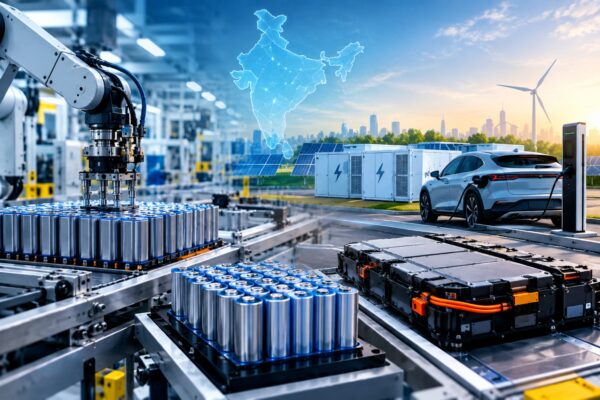
Recent reports indicate growing electric vehicle sales in India, reflecting the accelerating shift towards cleaner mobility. However, sustaining this momentum will require charging infrastructure to keep pace with rising demand. Reliable power supply, strategically located charging stations and adequate grid capacity will be essential to supporting the next phase of EV adoption. Read on…
Geopolitical tensions in West Asia and the strategic importance of the Strait of Hormuz highlight the vulnerabilities of global energy supply chains. For India, which depends heavily on imported crude oil, supply disruptions and fluctuations in international oil prices can have significant implications for the economy, transport costs and energy security. The need to diversify energy sources and reduce dependence on petroleum has therefore gained importance, bringing electric mobility into the broader discussion on India’s long-term energy transition.
Supported by government initiatives and growing interest in cleaner alternatives to conventional fuels, electric vehicle (EV) adoption has gained momentum across several segments, However, the transition involves much more than putting electric vehicles on the road. It requires a dependable charging network, adequate electricity supply and infrastructure capable of supporting growing demand. For commercial vehicles and fleet operators in particular, charging infrastructure must align with operational requirements. Charging downtime, unreliable power connections and low charger utilisation can affect vehicle productivity and operating economics, making the development of an accessible and reliable charging network essential to the wider adoption of electric commercial mobility. “Commercial EV users operate on utilisation and uptime, and therefore charging infrastructure has to be integrated into the operational ecosystem rather than treated as a standalone infrastructure layer. We see the next phase being driven by a combination of public charging, workplace and fleet charging, depot-based charging and destination charging. High-utilisation segments will increasingly require dedicated charging infrastructure at logistics hubs, municipal facilities, bus depots, industrial clusters and fleet operating locations,” says Dr. Uday Narang, Founder & Chairman, Omega Seiki Mobility.
Bridging the Charging Infrastructure Gap
While electric vehicle adoption is gaining ground, the pace and distribution of charging infrastructure remain critical to sustaining this transition. The challenge is not merely to increase the number of charging stations but to ensure that they are strategically located, adequately powered and suited to the requirements of different vehicle segments. For commercial mobility, this means developing charging facilities along major freight corridors, at logistics hubs, industrial clusters and fleet depots, where vehicles can recharge without significantly disrupting operations. The availability of fast-charging facilities and reliable grid connections will also be important in supporting higher vehicle utilisation and reducing charging-related downtime. “The challenge today is not simply to install more chargers, but to build a network that is reliable, well-utilised and commercially sustainable. Public charging utilisation in India is still relatively low, with industry estimates placing it in the 1–5% range in many cases. At these utilisation levels, recovering the cost of land, equipment, electricity, grid connectivity, maintenance and day-to-day operations remains challenging. For operators, therefore, the focus has to be on deploying the right charger, at the right location and for the right use case, rather than pursuing charger numbers alone,” says Akshit Bansal, Founder & CEO, Statiq.
Powering the Charging Network
Beyond location and utilisation, the availability of adequate power remains a key consideration in expanding EV charging infrastructure. Setting up high-capacity charging stations, particularly for electric trucks and buses, may require new electricity connections, upgrades to existing distribution networks and investment in supporting infrastructure. Delays in obtaining grid connectivity and the cost of power infrastructure can affect project timelines and the commercial viability of charging stations. As charging demand grows, coordination among charging point operators, distribution companies and other stakeholders will be essential to ensure a reliable power supply and enable the deployment of chargers where they are most needed. “Power availability and timely grid connectivity become particularly important as demand shifts towards higher-capacity fast charging. We see data-led site selection, better demand forecasting, appropriate charger sizing and higher utilisation of existing assets as critical to improving the economics of the network. Different locations will also require different models, whether it is destination charging, highway fast charging, workplace charging or high-utilisation fleet infrastructure. The objective should be to create charging networks that can scale sustainably as EV adoption grows,” Akshit Bansal says
Keeping Electric Fleets on the Move
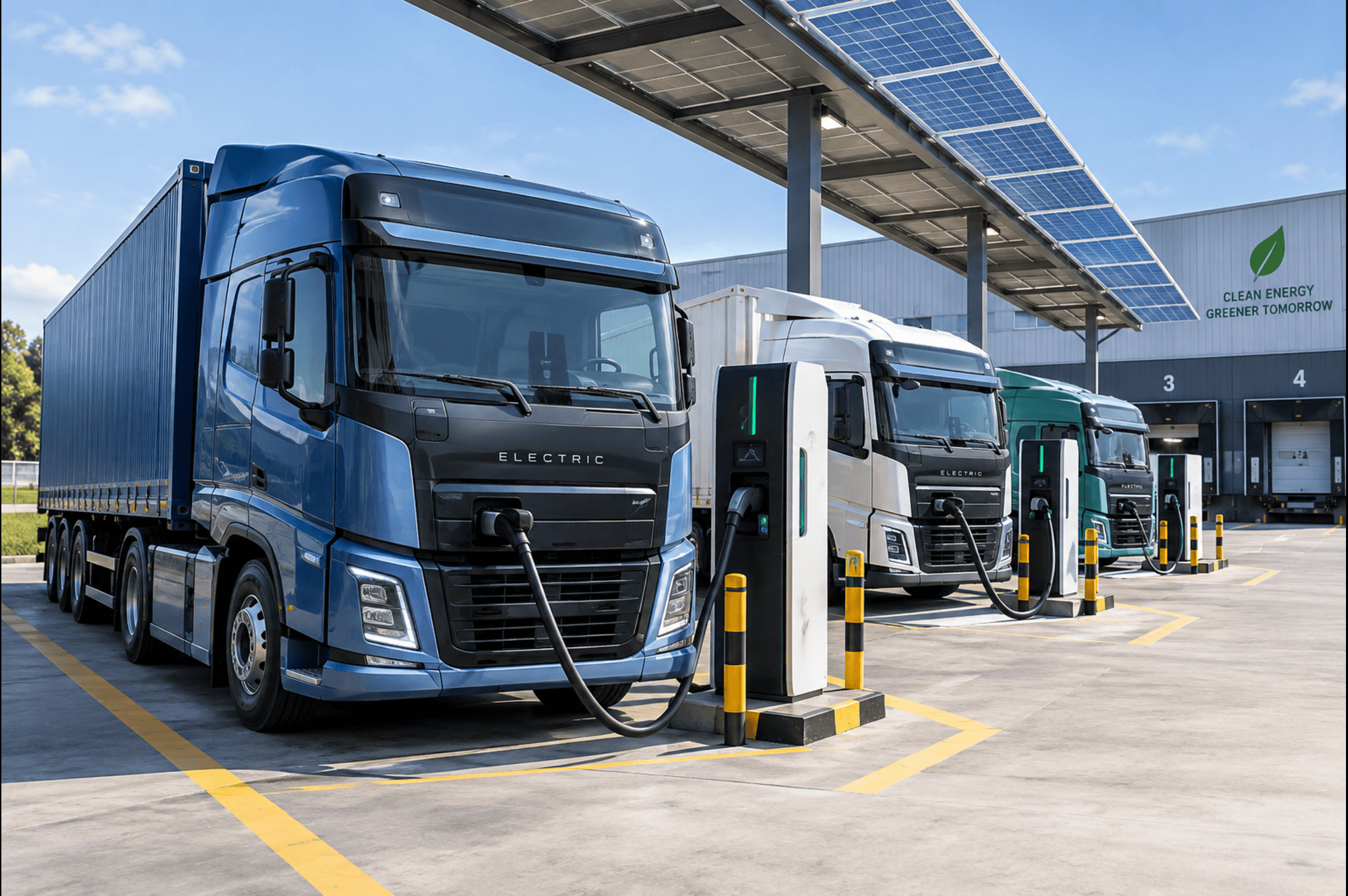
Commercial electric vehicles have distinct charging requirements shaped by operating schedules, daily travel distances and vehicle utilisation. Depot-based charging allows trucks and buses to recharge during scheduled idle periods, while long-haul operations require fast-charging facilities along highways and freight corridors. The choice of charging model depends on route patterns, payload requirements, battery capacity and the time vehicles can remain off the road. Charging time and infrastructure costs directly influence the economics of operating electric fleets. Longer charging periods can reduce vehicle availability and affect delivery schedules, while investments in high-capacity chargers, grid connectivity and supporting electrical infrastructure add to upfront costs. Charger utilisation is equally important: low usage can make it difficult for charging point operators to recover their investments, whereas inadequate charging capacity can create delays during periods of peak demand. Fleet operators and charging providers must therefore balance charging speed, infrastructure investment and expected demand to establish commercially viable operations. Expanding charging facilities at fleet depots, logistics hubs and strategic points along major freight corridors will be essential to addressing these challenges. Depot charging can serve vehicles operating on predictable schedules, while public fast-charging networks can support longer routes and reduce dependence on individual facilities. Aligning infrastructure deployment with fleet movement, charging demand and vehicle operating patterns will be critical to improving asset utilisation, controlling costs and making electric commercial transport more competitive.
Commercial Viability Remains a Challenge
Charging point operators play a central role in expanding India’s EV charging network, but building a sustainable business requires careful planning and investment. Operators must assess vehicle movement, local demand, electricity tariffs, land costs and grid connectivity before setting up charging stations. The challenge is to ensure sufficient charger utilisation to recover capital and operating costs while maintaining reliable services for EV users. Public charging stations may experience uneven demand, particularly in the early stages of EV adoption, making location selection and capacity planning crucial to their financial viability. For commercial vehicles, partnerships with fleet operators, logistics companies and vehicle manufacturers can help create predictable charging demand and improve asset utilisation. Such collaborations can also support the development of dedicated charging facilities at depots and logistics hubs, where charging schedules can be aligned with vehicle operations. “For commercial operators, an unreliable charger can translate directly into vehicle downtime and lost revenue. The industry therefore needs to start measuring charging infrastructure not just by the number of chargers installed, but also by parameters such as uptime, utilisation, turnaround time and service response. Third is grid readiness and power availability. As charging demand increases, especially for buses and trucks, charging infrastructure will require adequate electrical capacity, faster connections and better coordination with DISCOMs. In our view, the next phase should therefore move from a “charger-count approach” to an “availability-and-uptime approach”,” says Dr. Uday Narang.
Achieving these performance benchmarks will require greater investment in monitoring systems, preventive maintenance and real-time charger management. For commercial fleets, the ability to identify available chargers, minimise service interruptions and plan charging stops in advance can improve operational efficiency. Charging operators will also need to ensure that their infrastructure can accommodate rising demand without compromising service reliability. As the market expands, the focus will increasingly be on building dependable charging networks that deliver consistent performance while remaining commercially viable.
Integrating Renewable Energy and Battery Storage
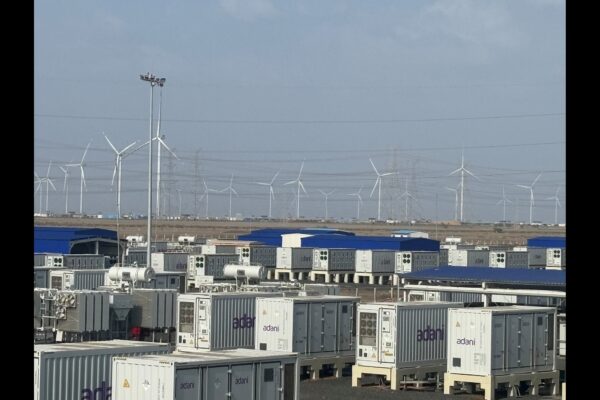
The growing demand for EV charging will also bring greater focus on how electricity is generated, stored and supplied to charging stations. Integrating renewable energy sources, particularly solar power, with charging infrastructure can help reduce dependence on conventional grid electricity and improve the sustainability of electric mobility. However, renewable generation is intermittent, while charging demand can fluctuate significantly throughout the day. Battery energy storage systems (BESS) can help bridge this gap by storing electricity when it is available and releasing it during periods of high demand. At charging hubs, storage systems can also help manage peak loads, reduce pressure on grid connections and support the operation of high-capacity chargers where the available electrical infrastructure is constrained. For commercial fleets, combining renewable energy, stationary battery storage and intelligent energy management could help improve power reliability and manage charging costs. The viability of these systems will depend on battery costs, electricity tariffs, local grid conditions and the charging demand at each site. The role of battery storage becomes particularly relevant at charging hubs serving electric trucks and buses, where multiple vehicles may need to charge within a limited period. Instead of drawing the entire power requirement from the grid at once, a charging station equipped with a BESS can store electricity during off-peak hours and use it when charging demand rises. This can help manage peak electricity loads and potentially reduce demand-related charges, depending on the applicable tariff structure. Pairing solar installations with battery storage can further improve the use of locally generated renewable power, including during periods when solar generation is low. For charging point operators, the combination offers a way to manage energy costs and make better use of available grid capacity, although the business case will depend on the initial investment, battery life, energy tariffs and utilisation levels.
Enabling Growth: Policy Push and Investment
Government policies and financial incentives will play an important role in accelerating electric mobility and expanding India’s charging infrastructure. The PM Electric Drive Revolution in Innovative Vehicle Enhancement (PM E-DRIVE) scheme, with a total outlay of ₹10,900 crore, supports electric mobility across selected vehicle categories, including electric trucks and buses, while also promoting public charging infrastructure. The scheme includes an allocation of ₹2,000 crore for public EV charging infrastructure and ₹500 crore for electric trucks, subject to applicable eligibility criteria. These measures aim to encourage EV adoption and support the development of the wider electric mobility ecosystem.
The Ministry of Power’s Guidelines for Installation and Operation of Electric Vehicle Charging Infrastructure, 2024, seek to facilitate the development of charging networks through provisions relating to electricity connections, land availability, tariffs and grid readiness. The guidelines also encourage charging during solar hours, creating scope for greater integration of renewable energy with EV charging infrastructure. At the state level, various EV policies provide additional measures, which may include purchase incentives, charging infrastructure support, concessions and manufacturing incentives, depending on the state and applicable policy.
Beyond financial incentives, clear implementation guidelines and predictable regulations are essential to attracting private investment. Charging infrastructure developers need greater clarity on electricity tariffs, connection charges, land-use permissions and approval procedures. Improved coordination with power distribution companies can help reduce project delays, while public-private partnerships can mobilise investment in charging hubs, logistics parks and facilities along major freight corridors. For commercial mobility, infrastructure planning must also keep pace with fleet deployment, route requirements and charging demand. Aligning policy support with investment in reliable power connections and strategically located charging facilities will be crucial to building a charging network that is accessible, commercially viable and capable of supporting India’s growing electric commercial vehicle market.
Speed Bumps and Roadblocks
The expansion of EV charging infrastructure in India faces several challenges, including financing constraints, grid connectivity, land availability and uncertainty over charger utilisation. Establishing charging stations involves significant upfront investment in land, charging equipment, electrical connections and supporting infrastructure. High-capacity charging hubs for electric trucks and buses can require even greater capital outlay, particularly where existing power networks need to be upgraded. For smaller charging point operators, access to affordable financing can be a barrier, as returns depend on vehicle adoption, charging demand and the time required to recover initial investments. Uncertainty over utilisation levels can also make lenders and investors cautious about funding projects, particularly in locations where commercial EV deployment is still at an early stage. Grid connectivity presents another major challenge. Delays in securing power connections, upgrading distribution networks and obtaining the necessary approvals can increase project costs and postpone commissioning. Finding suitable sites along highways, freight corridors and in congested urban areas can also be difficult, especially when charging facilities need space for large commercial vehicles to manoeuvre and park. In addition, charging point operators must manage electricity tariffs, maintenance expenses and fluctuating demand while ensuring reliable service. For fleet operators, concerns over charging time, vehicle range and the availability of operational chargers can influence decisions to transition from conventional vehicles. Addressing these roadblocks will require easier access to finance, predictable policies, timely grid connections and closer coordination among government agencies, electricity distribution companies, charging providers and fleet owners. Aligning infrastructure development with actual EV deployment and route requirements will be essential to reducing investment risks and building a reliable, commercially sustainable charging network.
Work in Progress
India’s push towards electric mobility is driven not only by the need to reduce dependence on imported crude oil but also by the opportunity to build a more sustainable transport system. Electric vehicles offer a viable alternative to petrol and diesel-powered vehicles, but the transition will depend on the development of reliable, accessible and adequately powered charging infrastructure. “The next phase will require faster and more predictable grid connections, adequate upstream power infrastructure, smart energy management, greater interoperability and greater use of renewable energy where viable. Policy can further support this by simplifying approvals, enabling timely electricity connections, improving access to suitable locations and encouraging charging deployment in underserved markets. The broader regulatory framework should also continue to evolve in line with the changing needs of the charging ecosystem. Ultimately, the industry needs to move beyond measuring progress by the number of chargers installed. The focus should be on building a network that is reliable, accessible, interoperable, adequately utilised and commercially sustainable. That will be critical to ensuring charging infrastructure keeps pace with the growth of electric mobility in India,” says Akshit Bansal.