Why Operations and Maintenance Should Start at the Design Stage

by Bhupendra Jha, CEO, Intelligent Community Management
A building can be built on time, at budget and exactly to specification but also difficult and expensive to operate. In the built environment, the true test of an asset begins only after it is operational. Equipment must be serviced, utilities must work reliably, access systems must function and building services must work together without disrupting occupants. That makes operations and maintenance (O&M) a consideration which can’t be restricted to the last stages of a project. It must be integrated in the way an asset is designed, built and delivered. For such an organization as Intelligent Community Management (ICM), which works across integrated facility and asset management, this is a fundamental operating principle. O&M is not an activity that begins after construction. It is a key element for an asset to perform to the best of its ability.
Design Must Account for Operational Reality
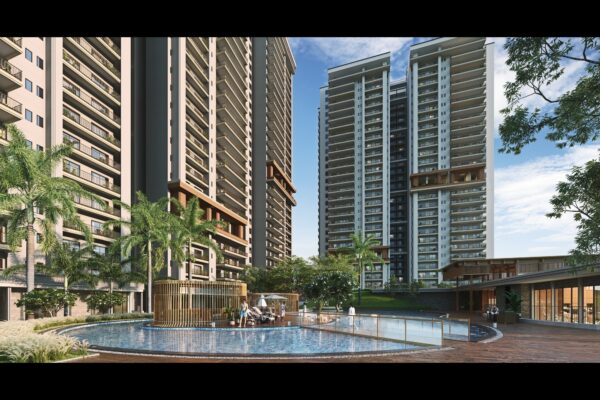
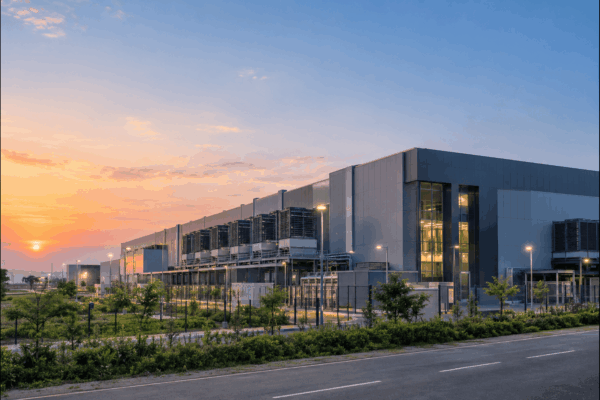
Construction and engineering decisions have consequences beyond construction. The location of equipment, the location of plant rooms, the routing of services, inspection measures and the placement of utility infrastructure all play a role in how efficiently an asset is used. A technically compliant design can still be problematic if equipment cannot be reached and occupied areas are not available, if service routes are difficult to reach, or if maintenance activities are not integrated with normal building operation. Maintainability must also be considered in design context along with functionality, safety and performance. The goal is not to focus on maintenance, but to make sure maintenance needs are there in the design itself. This is particularly important for large residential developments, commercial buildings, retail environments, educational institutions and integrated townships where multiple systems and user groups operate simultaneously.
Bringing O&M Into the Design Process
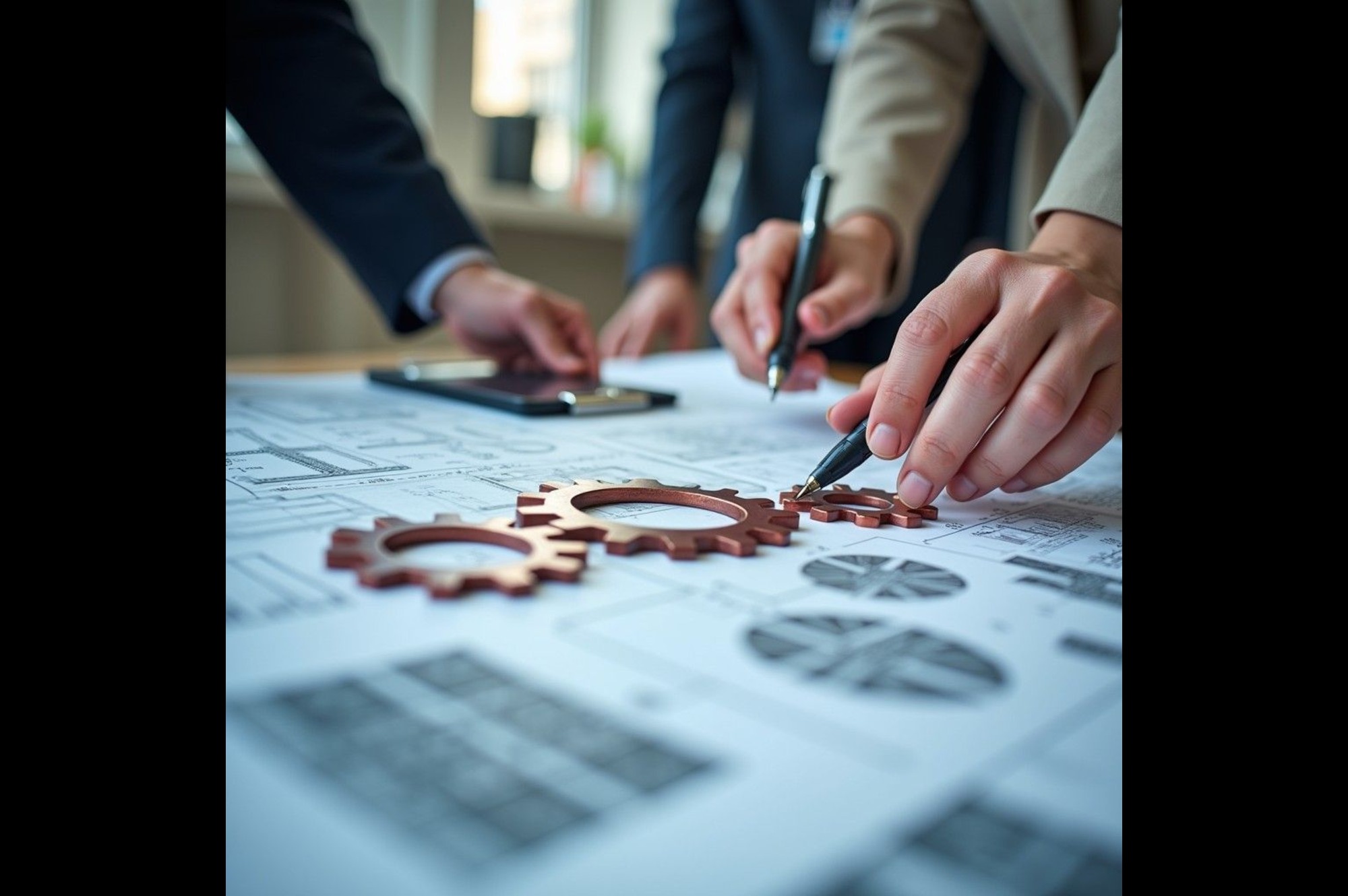
The operations function has a perspective that is quite different from the design and construction teams: it knows how assets will operate under continuous use, where maintenance interventions will be required and how that will impact occupants and other services. Early on, this perspective can be used to inform practical decisions on access to equipment, maintenance routes, services, utilities, waste movement and operations. This is a big step forward. Construction completion is not the start of operational planning. The operating model should already be in place as the physical asset is constructed. This approach can minimize certain operational problems and develop assets that are easier to maintain, safer to operate and more consistent in performance.
Technology Should Strengthen the Operating Model
Technology is transforming the way facilities and assets are managed. But technology only works when it fulfills the operational need. Digital tools cannot replace an asset that was not built for business. At ICM, with automated uptime monitoring, planned and preventive maintenance management, utility management, inventory management, digital activity checklists and real-time dashboards, there is more visibility across operations. Such systems can be used to provide timely intervention, structured workflows and better monitoring of asset performance. The larger concept is that technology cannot be done in isolation. Its effectiveness depends on the quality of the processes that surround it and on the people who actually use it and the people who take the information generated. A technology-enabled O&M model should be viewed as a holistic approach to O&M (people, processes and technology), not just a digital tools-based approach.
Security Is Also an Engineering Consideration
Security planning is another example of why operational requirements need to be understood early. In big developments, movement involves residents, employees, visitors, vendors and service personnel. Entry and exit points, parking areas, service access, surveillance coverage and restricted zones need to be planned with the whole of the operation integrated in the frame of the whole. RFID-based access, smart boom barriers, under-vehicle surveillance and visitor management can also strengthen security operations when integrated with the physical environment and operating procedures to ensure security is well integrated with the physical environment and operating system. It depends on how infrastructure, technology and processes work in concert to make the system work.
Handover Should Be an Operational Transition
One of the most important phases in a project is the transition from construction to operations. This transition should be made well before handover. Asset information, equipment records, warranties, maintenance schedules, operating procedures and system documentation need to be arranged for the teams that will ultimately operate the asset. Commissioning may also assess not only if systems are built to specifications but also how well they function in the intended operating environment. So a successful handover is not simply about getting documents. It is the transition from project delivery to operational performance.
Designing for Performance
The built environment is becoming more complicated and the lines between engineering, technology and facility management are less clear. The performance of an asset depends on the effectiveness of these disciplines. O&M needs to move from the outskirts of project development to the centre of the conversation. It has a role to play in design decisions, operational requirements, technology integration and ensuring that the completed asset can function as intended. The industry has a chance to move away from the model of buildings being designed and built first, with the operational challenges addressed later. Instead, operational performance should be a design goal from the outset. Operations and maintenance should begin when the asset is conceived, not when construction ends. At its core, this is all about designing for performance. A well-engineered asset is not only structurally sound and technically compliant but also accessible, maintainable, and operable and should be able to deliver a consistent experience once it is in use. That is where the real value of integrated O&M starts.
Tags