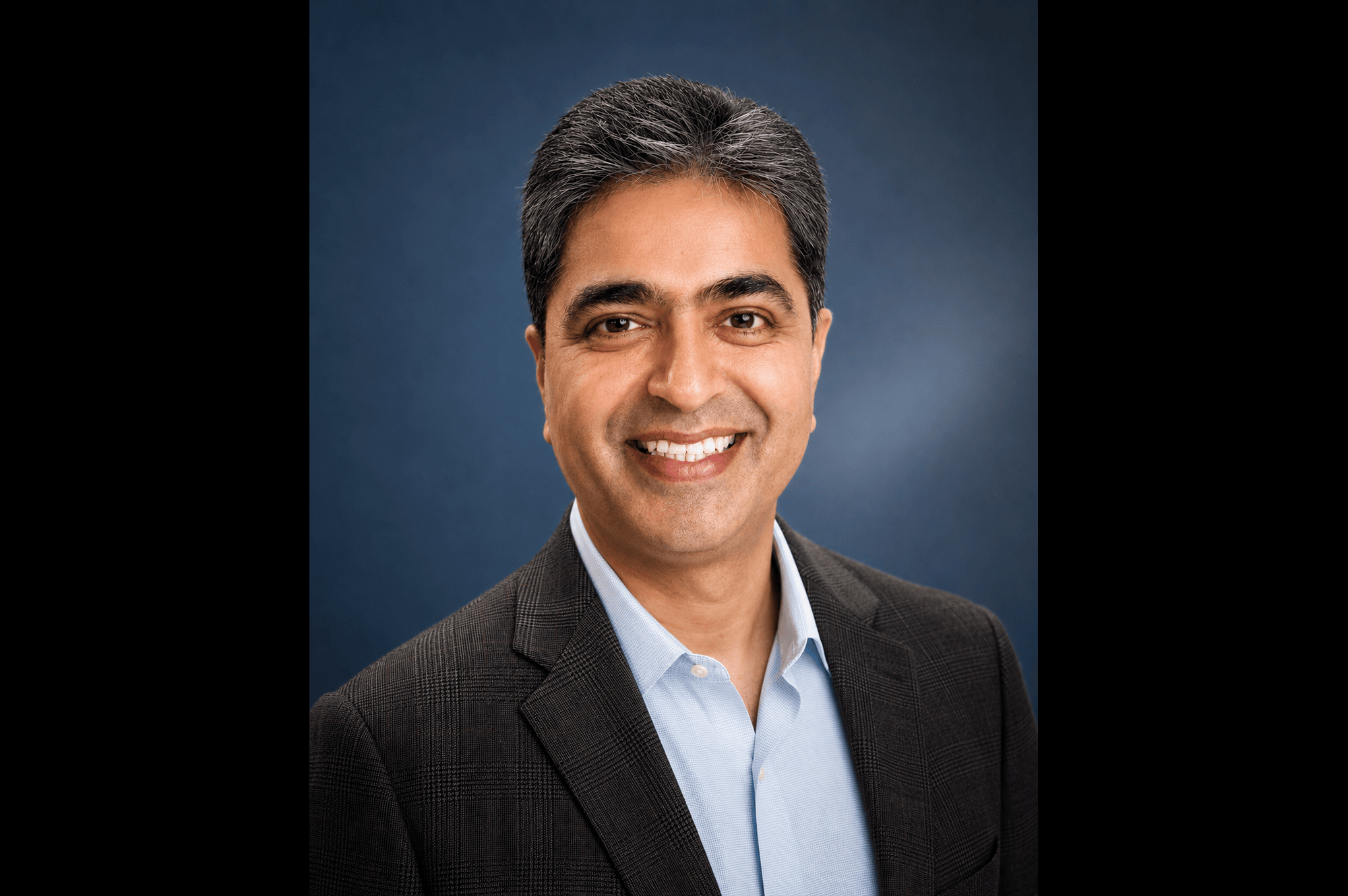
Interview: Pradhyumna Ingle, Global Head – Infrastructure, Protection and Repair, Henkel

India is expanding its infrastructure base across roads, railways, power, ports and industrial projects. What are the biggest challenges in maintaining this infrastructure and ensuring reliable performance over the long term?
As India continues to expand its infrastructure base across transportation, energy and industrial sectors, ensuring the durability and reliability of existing assets is becoming increasingly important. Corrosion remains a significant challenge in this regard. A 2026 report by Nomura Research Institute estimates that corrosion costs the Indian economy approximately ₹14.1 trillion annually, equivalent to 4.3% of GDP. Industrial assets, particularly across the oil, gas, energy and marine sectors, often operate for decades under demanding conditions. Coastal salinity, high humidity, elevated temperatures and heavy monsoons can accelerate corrosion and material degradation. The challenge is to protect and extend the life of these assets while maintaining operational safety and minimising downtime during inspection and maintenance. This requires a lifecycle-based approach that enables asset owners to assess asset condition, identify potential failures early and plan timely interventions without unnecessarily disrupting operations.
As India’s infrastructure base grows, how do you see the approach to maintenance changing from reactive repairs to preventive and predictive maintenance?
The approach to infrastructure maintenance is shifting from addressing failures after they occur to identifying and managing potential risks before they affect operations. This is particularly important for ageing infrastructure, where shutdowns and replacement can be costly and disruptive to industrial operations and supply chains. A report on the MRAM Expo 2026 discussions, highlighted the productivity losses associated with equipment breakdowns and unplanned downtime, with industry leaders identifying predictive, data-driven maintenance as an opportunity to improve output and extend asset life. Our Infrastructure Protection & Repair (IPR) portfolio supports this transition through technologies such as composite repair systems, LOCTITE Pulse and viscoelastic corrosion protection solutions. These capabilities help customers protect assets, monitor their condition and respond to emerging integrity issues. By combining advanced materials, digital monitoring and engineering expertise, we enable customers to make more informed maintenance decisions, reduce unplanned downtime and move towards a proactive approach to asset management.
Against this backdrop, what role is Henkel playing in helping infrastructure and industrial customers protect, repair and extend the service life of their equipment and infrastructure?
We believe that prevention is better than cure. Our Infrastructure Protection & Repair portfolio is designed to support customers throughout the asset lifecycle across sectors including oil and gas, energy, marine, water, mining, steel, metals and chemical processing. The focus is on helping customers protect critical infrastructure, address deterioration and maintain asset integrity over the long term. Our portfolio brings together corrosion protection systems, thermal insulation and acoustic coatings, structural reinforcement solutions, composite repair technologies, leak prevention technologies and digital monitoring platforms. These capabilities enable asset owners to protect vulnerable infrastructure, restore damaged equipment, reinforce structural integrity and monitor asset performance. By combining advanced materials, engineering expertise and monitoring capabilities, Henkel helps customers make informed decisions about maintenance and repair, improve operational reliability and extend the service life of critical assets.
Henkel has an Infrastructure Protection & Repair (IPR) approach. What does this encompass, and how can it help infrastructure owners improve reliability and service life?
Henkel’s Infrastructure Protection & Repair approach represents a shift from traditional, product-centric maintenance towards lifecycle-based asset management, with a focus on total cost of ownership. Rather than starting with an individual coating, sealant or repair material, we begin by understanding the asset itself, including its operating environment, failure mechanisms, criticality and remaining service life. This allows us to address asset integrity challenges more comprehensively rather than through isolated maintenance interventions. By bringing together the expertise of Seal For Life, Critica Infrastructure and LOCTITE under one integrated IPR business, we combine corrosion protection, composite repair, structural reinforcement, sealing solutions and digital monitoring capabilities. These complementary technologies, supported by engineering expertise and application support, help customers protect assets, restore damaged components and monitor performance throughout the asset lifecycle. By integrating protection, repair and monitoring into asset management decisions, we help customers move beyond reactive maintenance towards safer, more sustainable and cost-efficient operations while simplifying the customer journey through a single strategic partner.
Infrastructure and equipment are exposed to corrosion, moisture, vibration, heavy loads, temperature variations and wear. Which of these challenges are becoming particularly important in India, and how can advanced materials help address them?
Corrosion is a particularly important challenge for India’s industrial infrastructure, especially across the oil, gas, energy and marine sectors. Many pipelines and other critical assets have been operating for several decades under demanding environmental conditions. Exposure to coastal salinity, moisture, high humidity, temperature variations and heavy monsoons can accelerate deterioration, making long-term asset protection essential. Henkel’s IPR portfolio includes corrosion protection systems, thermal insulation and acoustic coatings, passive fire protection, cathodic protection, wear-resistant materials, composite repair technologies, structural reinforcement solutions, leak prevention technologies and digital monitoring platforms. These solutions help protect assets against environmental and operational stresses, restore damaged equipment and reinforce structural integrity. When combined with appropriate inspection and monitoring practices, advanced materials enable asset owners to address deterioration more effectively, maintain operational reliability and extend infrastructure service life.
When an infrastructure component begins to deteriorate, how should asset owners evaluate whether to repair, reinforce or replace it? What role does lifecycle cost play in that decision?
The decision to repair, reinforce or replace an infrastructure component should be guided by its condition, criticality, extent of deterioration, safety requirements and remaining service life. Asset owners should also consider operational factors such as downtime, future maintenance needs and the consequences of failure. The focus must be on selecting the most technically appropriate intervention for safe, reliable and long-term performance, rather than on immediate cost alone. Lifecycle cost is an important part of this assessment. Replacing pipelines, tanks, vessels or structural assets requires substantial resources for manufacturing, transportation, installation and disposal. Repairing or reinforcing an asset, where technically appropriate, can therefore offer both economic and environmental benefits while minimizing operational disruption. Henkel’s corrosion protection systems, composite repair technologies, structural reinforcement solutions and digital monitoring capabilities support informed asset-management decisions. In suitable applications, these solutions can help restore structural integrity, extend safe operating life and reduce the need for premature replacement. This lowers material consumption, waste and the environmental impact associated with new assets. For Henkel, reliability and sustainability go hand in hand, delivering long-term value across the infrastructure lifecycle.
Looking ahead, what needs to change in India’s infrastructure maintenance ecosystem to ensure that the growing infrastructure base delivers reliable performance throughout its intended life?
As India continues to expand its infrastructure base, the maintenance ecosystem must evolve from reactive repairs to integrated, lifecycle-based asset management. Infrastructure planning should look beyond construction and commissioning to consider how assets will be inspected, protected and maintained throughout their operating life. This requires durability to be built into project specifications, stronger inspection practices and maintenance decisions based on asset condition, criticality and risk. Digital technologies will be central to this transition. Sensor-based monitoring, artificial intelligence, predictive analytics and remote monitoring can provide real-time visibility into asset health, enabling earlier interventions and more informed maintenance decisions. At the same time, advances in materials science, including high-performance coatings, engineered composites and structural reinforcement solutions, can help assets withstand demanding operating conditions and remain reliable for longer. We believe the future of infrastructure protection lies in combining materials science, engineering expertise and digital intelligence. An integrated approach to protection, repair and monitoring can help infrastructure owners improve safety and reliability, extend asset life and reduce total cost of ownership. This will be essential to building more resilient and sustainable infrastructure across India.
Tags