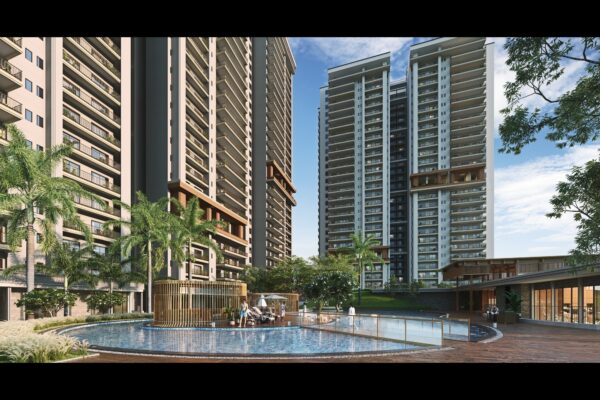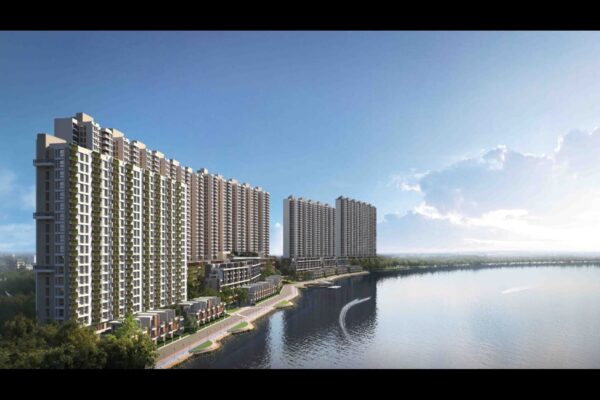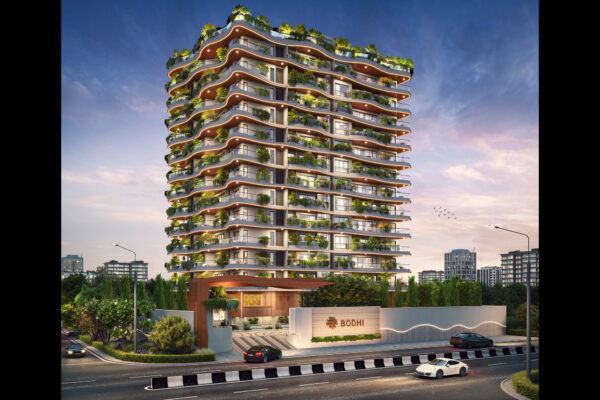

From Render to Reality: How Close Can Developers Really Get?

by Akshay Dewani, Managing Director, Assetz
When something ordered online looks different from its onscreen image, the excitement quickly turns into disappointment. Now imagine the same experience with something far more valuable and significant, a home.
It is not uncommon to learn of incidents where the home finally delivered to buyers looks far removed from the visuals, 3D images, and demo apartments shown at the time of enquiry. Why does this happen? Is it simply a failure to honour what was promised, or does something deeper go wrong during the journey from vision to execution?
More importantly, can a completed development ever perfectly replicate a render? The answer is rarely straightforward. A render captures an intended experience at a particular stage of a project, while the final development must navigate years of design decisions, site realities, changing trends, procurement constraints and execution challenges. Developer credibility, therefore, is determined not by whether every visual element is recreated mechanically, but by how faithfully the original design intent and promised experience are delivered.
Visuals: Where the Promise Begins
A decade ago, buyers relied largely on floor plans, sample apartments and site visits. Today, highly detailed renders, immersive walkthroughs and digital visualisations allow them to experience a project long before construction is complete. Buyers can imagine how natural light may enter a room, how an amenity might feel in use, or how a building will sit within its surroundings.
These visualisations shape expectations around quality, materiality, spatial experience and lifestyle. In many cases, they form the first emotional connection buyers have with their future home. A render is therefore not merely a sales tool; it marks the beginning of a commitment from the developer.
At the same time, a render is also an expression of mood. It communicates the intended character, atmosphere and material language of a development. The real challenge begins when this mood must be translated into physical form using actual materials, dimensions, site conditions and operational requirements. The objective is not simply to reproduce an image, but to preserve the design philosophy and experience it represents.
The Decisions That Shape Reality
The first nine to twelve months of a project are particularly critical. During this period, several elements are still being coordinated and refined. Architectural plans evolve, engineering systems are integrated, materials are evaluated and landscape, commercial, and operational considerations begin to intersect with the original vision.
This is where clarity of intent matters most. Is the development meant to feel minimalist and earthy or visually elaborate? Is the design detail-oriented or primarily concept-driven? Is the landscape merely a placeholder around buildings, or an architectural element that shapes movement, views, microclimate and the overall experience?
These choices directly influence whether the final development can remain true to its visual promise. When they are clearly understood at the concept stage, the possibility of achieving a close relationship between render and reality becomes significantly stronger.
Where Delivery Breaks Down
Some evolution between the initial render and the final development may be unavoidable. Trends change, materials become unavailable, and regulatory, engineering, or maintenance considerations may require modifications. Over time, these changes can create distance between the original visual and the delivered outcome.
The real test is how a developer responds without losing the essence of the vision. A material may be substituted without diluting the experience if the replacement retains the intended quality, durability, texture and visual character. Similarly, a landscape element may change without compromising the design if its larger functional and experiential purpose is preserved.
The gap becomes pronounced when there is a disconnect between design and execution. Avoiding this requires rigorous oversight, continuous coordination between architects, consultants, contractors, vendors and on-site teams, and disciplined decision-making whenever changes are introduced. Every redesign, substitution or value-engineering decision must be assessed not only for cost and feasibility, but also for its impact on the overall design intent and the buyer’s eventual experience.
Delivery Builds Credibility
Selling a compelling vision is no longer enough. Translating it into reality through consistency across design, execution, and delivery has become one of the defining characteristics of a reliable developer.
This does not mean treating a render as an inflexible photograph that must be replicated pixel for pixel. It means identifying the promises embedded within it and protecting them throughout the project lifecycle.
ANAROCK’s Homebuyer Sentiment Survey reinforces this. It found that 93% of respondents considered construction quality assurance a key expectation, while 98% prioritised timely project completion. These findings underline the importance of systems, governance, and methodical execution.
Today’s buyers, particularly Millennials and Gen Z, are digitally informed, visually aware and highly experience-led. For them, renders are often the first indication of a developer’s intent, design maturity and credibility.
Perfect replication may not always be possible, nor should it be the only measure of success. What matters is whether the completed development retains its intended character and whether buyers can recognise the experience they were originally promised.
The render may begin the promise, but it is delivery that ultimately proves it.
Tags