Panipat Witnesses Rising Real Estate Interest Amid Expanding Urban Development

Panipat has long carried the label of India’s Textile City, known for its looms, carpets and exports. That identity remains central to the city, but a new set of factors is shaping its next phase of growth: rapid rail, greenfield highways and planned residential communities. As infrastructure expands around it, Panipat is steadily evolving from a city where people primarily work into one where they increasingly want to live.
Infrastructure-led development can have a multiplier effect on real estate. Better connectivity widens the radius within which people are willing to live and makes emerging locations more viable for end-users and businesses. In Panipat, this is coinciding with growing demand for organised residential development, and the market is already responding. Haryana raised collector rates in Panipat district by 10% to 50% in August 2025, with increases of around 50% in village areas such as Chandoli, Ajijulapur and Kabri, where residential societies are coming up.
“Infrastructure is what turns a promising location into a liveable one. The proposed Delhi–Panipat–Karnal Namo Bharat corridor has the potential to strengthen regional connectivity and support Panipat’s long-term residential appeal. The broader Tier-II housing market reflects this momentum, with CRISIL Intelligence reporting a 14% CAGR in residential demand across 10 Tier-II cities between FY2021 and FY2026, driven by infrastructure development, urbanisation and rising employment opportunities. As Panipat builds on its established industrial base, we see growing potential for planned residential communities that offer greenery, security, space and everyday conveniences. In the long run, connectivity, economic activity and thoughtful urban planning can collectively shape a more evolved residential market.”, said Parvinder Singh, CEO, Trident Realty.
The city already enjoys a strategic location on the Grand Trunk Road along NH-44, roughly 90 km from Delhi. What is changing is the ease and speed with which residents can connect to the wider region. The Haryana Cabinet has cleared the 136-km Delhi-Panipat-Karnal Namo Bharat corridor, estimated at around ₹33,051 crore, with Panipat among its stops. Faster regional connectivity is expected to make living in Panipat while working across NCR more practical, and Haryana’s Budget 2026-27 has also prioritised regional connectivity through proposed RRTS corridors and major transport investments.
Road links are advancing in parallel. The newly inaugurated 40.6-km Jind-Gohana Greenfield Highway has cut travel time between the two towns from about two hours to 40 minutes and improved access towards Panipat, Rohtak and Delhi-NCR. NHAI has also begun land acquisition for the proposed 747-km Gorakhpur-Panipat Expressway, which is planned to connect eastern Uttar Pradesh with Panipat across 22 districts. Together, these projects are widening the region from which the city can attract residents, workers and businesses.
What sets Panipat apart from many newly planned locations is that it does not have to wait for an economy to emerge. It is an established textile hub, with a strong ecosystem spanning carpets, blankets, home furnishings and recycled textile manufacturing. Its manufacturing units, businesses and large working population already generate sustained demand for housing, rentals, commercial spaces and supporting services, and infrastructure can build on that foundation by attracting additional businesses and residents.
Robin Mangla, President, M3M India, said, Panipat is gaining traction as a real estate destination, supported by expanding urban infrastructure, improving connectivity and the gradual diversification of its economic landscape. As the city evolves, homebuyers are increasingly looking at residential properties that offer better living standards, modern amenities and long-term investment potential. The development of road networks and proximity to key economic centres are further strengthening its attractiveness for both end-users and investors. With rising aspirations and a growing preference for organised residential developments, Panipat presents promising opportunities for quality-driven real estate growth. The focus will remain on projects that combine thoughtful planning, contemporary design and sustainable value creation.
Housing preferences are evolving alongside this connectivity. Professionals who once felt they needed to live closer to Delhi or Gurugram can increasingly consider Panipat, where larger land parcels and comparatively accessible prices create scope for more spacious homes. Homes here currently cost roughly 25 to 50 per cent less than comparable properties in established NCR hubs. For those stretched by rising urban living costs, buying in a well-managed community instead of renting indefinitely is an attractive proposition.
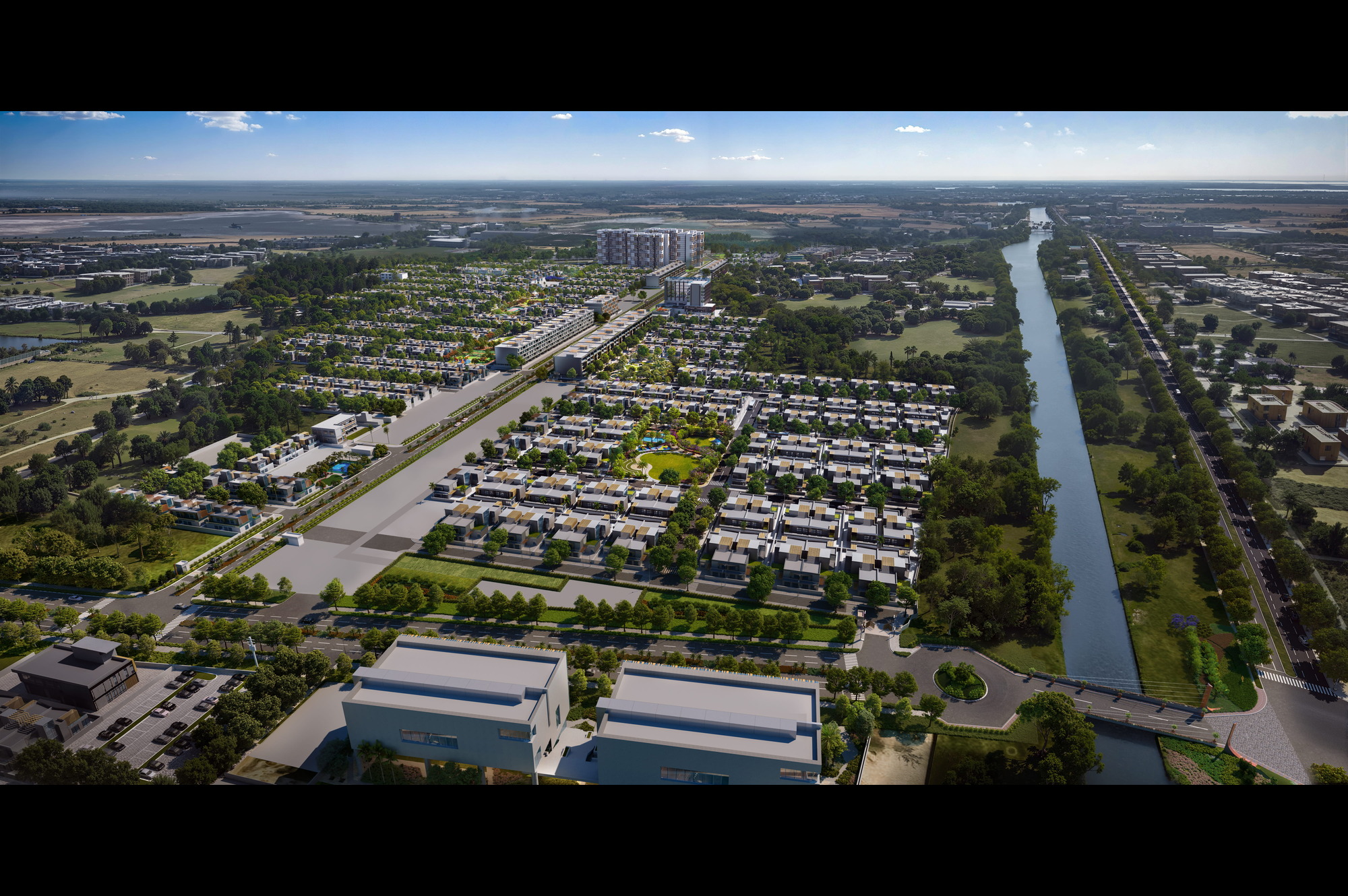
Also, for younger families and working professionals, the neighbourhood and surrounding infrastructure can matter as much as the home itself, so integrated township, gated communities, open green spaces, clubhouses, wellness amenities and wide internal roads are becoming part of the checklist. Integrated townships can meet these expectations by bringing security, recreation and everyday conveniences into one coordinated environment. New residential development can also support the emergence of retail, schools, healthcare and other social infrastructure, creating a stronger ecosystem around growing neighbourhoods.
Panipat’s transformation is therefore not simply about adding housing stock. It reflects a broader shift in the city’s urban profile, with infrastructure improving accessibility, industry supporting economic activity and organised real estate responding to changing consumer aspirations. The wider state outlook is supportive too, as Haryana’s Vision 2047 aims for a USD 1 trillion economy and nearly 50 lakh new jobs.
Panipat’s story, therefore, is not about leaving its industrial identity behind but building on it. With rail and road projects widening its reach, a strong manufacturing economy supporting employment and buyers seeking better-planned communities, the city is entering a more organised and lifestyle-oriented phase of growth. For this transformation to remain sustainable, however, new housing will need to progress alongside roads, water, drainage and civic services. Coordinated urban planning will be as important as connectivity itself in determining how successfully Panipat translates infrastructure momentum into long-term residential growth.