India’s Data Centre Expansion: From Capacity Building to Risk-Proofing Infrastructure

by Burzin Umrigar, Head of Construction and Renewable energy, Property and Risk management, Howden India
India’s data centre industry is entering a new chapter. Over the last few years, the focus has largely been on scale. New facilities have been built, global hyperscalers have expanded their presence, investors have committed significant capital, and capacity has grown rapidly to keep pace with cloud adoption, digital transformation and the emergence of AI-driven workloads.
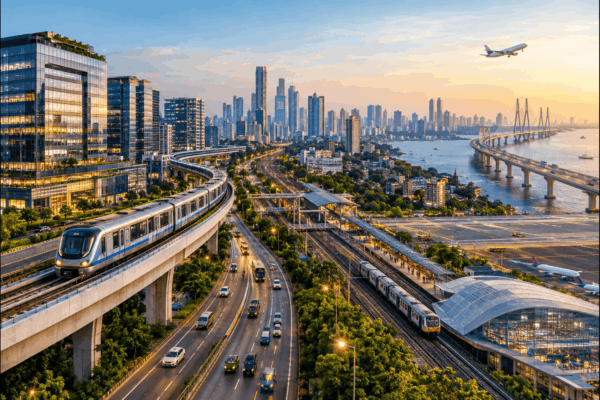
Industry projections indicate that India’s installed data centre capacity could exceed 8GW by 2030, with major investments continuing across Mumbai, Chennai, Delhi-NCR, Bengaluru and Hyderabad. At the same time, operators are increasingly exploring opportunities in Tier-II cities as digital demand spreads beyond traditional hubs.
This growth story is well documented. What deserves equal attention is what comes next. As data centres become larger and more critical to India’s economy, the conversation is moving beyond capacity creation to infrastructure resilience. The next phase of growth will not be defined only by how many megawatts are added or how many square feet are developed. It will be determined by how effectively operators manage the risks that can threaten uptime, business continuity and long-term sustainability.
Growth Creates New Forms of Concentration
Data centres are often viewed as highly resilient assets because of the redundancy built into their design. Yet one of the industry’s biggest challenges today stems from concentration.
A significant proportion of India’s capacity remains concentrated within a handful of cities. These locations benefit from strong connectivity, cable landing stations, mature infrastructure and established ecosystems. However, they also create dependencies on common power grids, water systems, transportation networks and telecommunications infrastructure.
As facilities cluster around the same regions, the potential impact of a single event increases. A grid disruption, severe weather event, water shortage or infrastructure failure can affect multiple facilities simultaneously.
The same principle applies within individual campuses. Modern data centre developments frequently rely on shared substations, cooling plants, backup power systems and connectivity networks. While these arrangements support operational efficiency, they can also create common points of dependency that require rigorous risk assessment and planning.
For operators, resilience is becoming less about individual assets and more about understanding interconnected systems.
The Reality Behind Most Outages
When major outages occur, the assumption is often that they are caused by extraordinary events. Power instability remains one of the most common causes of downtime. Grid interruptions, generator failures, UPS malfunctions and electrical faults continue to challenge operators around the world.
Cooling infrastructure presents another significant exposure. As facilities accommodate higher-density computing environments and AI workloads, maintaining stable temperatures becomes increasingly critical. The failure of a cooling system can escalate rapidly into operational disruption if redundancy and response mechanisms are not functioning as intended.
Fire and smoke incidents remain a concern, particularly as facilities incorporate more complex electrical infrastructure and increasing volumes of lithium-ion batteries. Flooding, water ingress and extreme weather continue to influence both site selection and operational planning, especially in coastal and monsoon-prone regions.
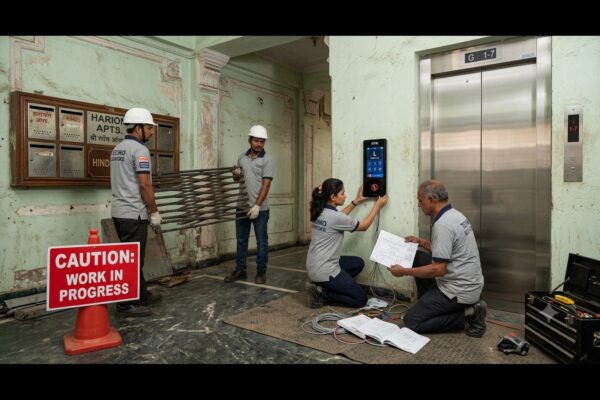
Human error also remains a prominent factor. Maintenance activities, procedural lapses and change management failures are still responsible for a significant number of incidents across critical infrastructure sectors.
Business Interruption Is the Bigger Exposure
One of the most important lessons emerging from the global data centre sector is that physical damage is often only part of the loss.
A transformer failure, cooling outage or electrical incident may damage equipment, but restoring operations can take considerably longer than repairing physical assets. Replacement equipment may have long lead times. Specialist testing and commissioning may be required before systems can be returned to service.
Meanwhile, customers remain dependent on uninterrupted service. For many operators, the financial consequences of downtime can include lost revenue, contractual obligations, service-level penalties, emergency operating costs and reputational concerns. In some situations, business interruption losses can significantly exceed the cost of replacing the damaged equipment itself.
This shift is changing how risk is evaluated across the sector. Resilience is no longer measured solely by how well a facility avoids damage. It is increasingly measured by how quickly it can recover.
Climate and Resource Pressures Are Moving Up the Agenda
The industry’s expansion is coinciding with growing concerns around climate resilience.
Rising temperatures are increasing cooling requirements across many regions. Flood exposure is becoming a more significant consideration during site selection. Water availability is attracting greater scrutiny as large facilities require substantial resources to support cooling operations.
Climate-related risks are also becoming more difficult to predict using historical assumptions alone. What was considered a low-frequency event a decade ago may no longer be viewed the same way today.
As operators evaluate future locations, questions around energy availability, water security and climate resilience are becoming as important as traditional considerations such as land cost and connectivity.
The industry’s challenge is no longer simply finding the right location. It is ensuring that chosen locations remain viable and resilient over the long term.
Why Risk Engineering Matters More Than Ever
Effective risk engineering involves understanding how systems interact, where critical dependencies exist and what could happen if those dependencies fail. It focuses on identifying single points of failure, testing recovery capabilities and validating whether redundancy performs as intended under real-world conditions.
Areas such as electrical protection, cooling reliability, fire suppression, flood resilience and emergency response planning require continual assessment rather than one-time evaluation.
The objective is straightforward: prevent incidents where possible and limit escalation when prevention fails. The most resilient facilities are often those that combine engineering excellence with operational discipline.
Insurance as Part of the Resilience Strategy
Insurance is often seen as the last layer of protection, but it should be considered much earlier when planning for resilience. Involving risk engineers, insurers and specialist advisers early can help review the design, identify areas that may not be covered by insurance, and make sure loss-prevention measures support the facility’s recovery needs before risks become difficult to address.
Underwriters are increasingly focused on how facilities are designed, operated and maintained. They look beyond physical assets to understand power dependencies, climate exposures, operational controls, recovery procedures and business interruption potential.
This has made insurance a valuable source of risk insight, not just risk transfer. Property, business interruption, equipment breakdown, cyber and construction-related covers each address different aspects of a facility’s exposure. However, insurance delivers the greatest value when it is aligned with a broader risk management framework.