Why Modern Buyers Are Choosing Quality of Life Over Metro Living

by Tanmay Kholkar, Founder, Manas Developers
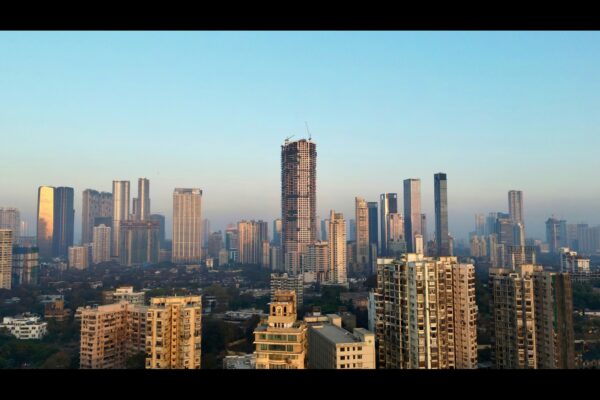
For three decades, the Indian homeownership dream had a single address: a flat in Mumbai, a plot in Gurugram, a villa in Whitefield. Owning property in a metro wasn’t just an investment decision, it was a status marker, a proxy for having “made it.” That story is being quietly rewritten.
Today, a growing cohort of affluent Indians – senior professionals, entrepreneurs, and newly liquid founders are asking a different question. Not “which metro can I afford to buy into?” but “where do I actually want to live?” The answer, increasingly, isn’t Mumbai, Delhi, or Bengaluru. It’s Coonoor. It’s Alibaug. It’s Coorg, Lonavala, and a widening ring of towns that were, until recently, weekend footnotes to metro life.
The Metro Premium No Longer Buys What It Used To
The economic logic of the metro is fraying at the edges. Prices for luxury homes in India’s top seven cities have climbed roughly 40% since 2022, even as the everyday experience of living in these cities – the commute, the congestion, the air quality has not improved to match. Therefore, buyers are increasingly aware that they are paying a premium not for a better life, but for proximity to a job.
That calculus shifts dramatically once income is no longer tethered to a single office. A 2026 market analysis found that professionals who once couldn’t justify owning a second home simply because they couldn’t use it often enough are now spending genuinely productive stretches of time there – the arithmetic of ownership has changed because the arithmetic of work has changed.
It Isn’t A Metro Exodus – It’s A Metro Rebalancing
It would be a mistake to read this as new buyers abandoning their cities. What’s actually happening is more interesting: a decoupling of where you build wealth from where you build a life. The career still often runs through the metro. But the home, the one that reflects who you’ve become rather than what you need for work, is increasingly being built somewhere quieter.
The data on tier-2 and tier-3 cities makes the same point from a different angle. A recent Kantar–DB Corp study found that the affluent population in India’s tier-2 and tier-3 cities has grown 76% over the past six years, with nearly one in three urban Indians now living outside the traditional metro belt. This isn’t just middle-class migration in search of affordability. Real estate advisors note that some tier-2 cities have evolved into genuine regional hubs with their own infrastructure, connectivity, and business ecosystems, no longer positioned as consolation prizes to metro life, but as destinations in their own right.
What “Quality of Life” Actually Means to This Buyer
Ask a metro-fatigued HNI what they’re really buying when they buy in Coorg or Alibaug, and the answer rarely starts with square footage. It starts with:
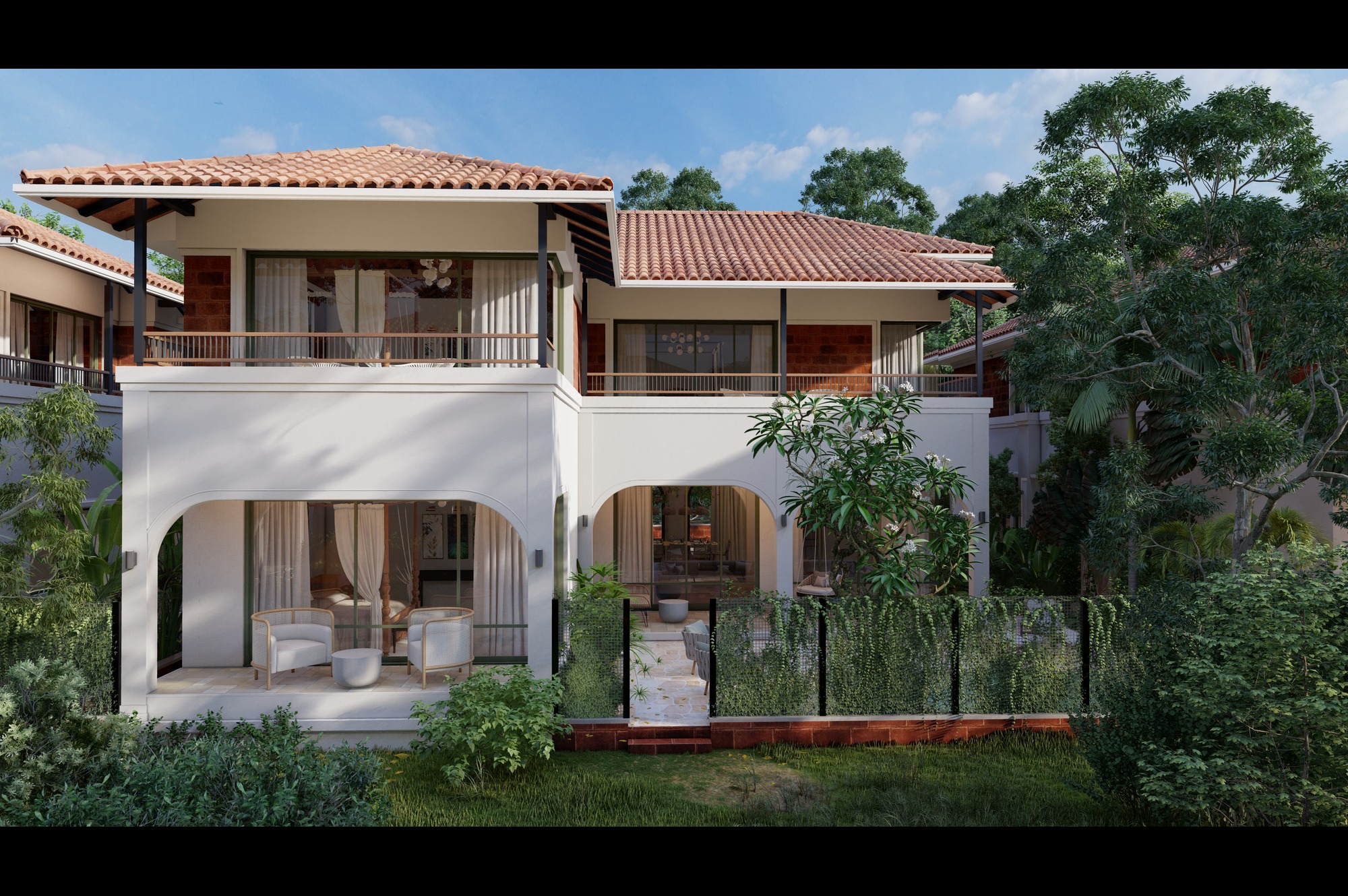
- Space and privacy. Private gardens, pools, and indoor-outdoor living have become central to how second-home buyers describe the appeal of these properties, a direct rejection of the vertical, stacked density of metro apartment living.
- Design over generic luxury. Industry observers note that today’s affluent buyers are highly design-aware, they’re not looking for cookie-cutter villas, but architecture with a point of view: local materials, craft-driven detailing, bespoke interiors.
- Land scarcity as a feature, not a bug. Destinations bound by strict environmental regulation – Goa, Coorg, Jim Corbett, appreciate precisely because supply is permanently capped. Buyers are, in effect, purchasing calm and purchasing scarcity in the same transaction.
- A reset, not a retreat. Executives in the space describe today’s buyer as someone allocating capital toward lifestyle and enduring value, seeking a place to genuinely pause, a meaningfully different motivation from the purely speculative, quick-turnaround buying of a decade ago.
The New Geography of Indian Affluence
A few corridors are emerging as the backbone of this shift, each answering a slightly different version of the same question.
The Nilgiris – Coonoor, Ooty, Kotagiri – Tea-estate bungalows and colonial-era cottages, long dormant, are being restored as boutique stays and private residences, drawing buyers from southern metros seeking cooler climates and quieter rhythms. Appreciation here is steadier than dramatic, this is a market for people optimizing for years lived well, not years-to-exit.
Goa – Still the undisputed heavyweight, no longer purely a holiday-home market but increasingly home to permanent, design-forward residences, with the added appeal of strong rental yields for owners who want their lifestyle asset to also work as an income asset.
Coorg and Chikmagalur – Coffee-estate villas and farmhouse living offer something the branded villa developments elsewhere can’t: a genuine relationship with agricultural land, not just a view of it.
The Mumbai corridor – Alibaug and Lonavala – Alibaug has become the estate-living answer for Mumbai’s wealthy, with strong projected annual appreciation on the back of infrastructure investment. Lonavala offers a more mature, stable luxury market for buyers prioritizing a settled second home over an emerging one.
Why This Generation of Buyers Is Different
Part of what’s accelerating this shift is who is doing the buying. A wave of relatively young, newly wealthy individuals, many from post-2020 IPOs and startup liquidity events has entered the luxury housing market. Analysts describe this cohort as less brand-driven and more oriented toward experience and sustainability than the generation before it. They didn’t inherit the metro-flat-as-status-symbol script, and they’re not particularly interested in rewriting it with a bigger flat in a bigger metro.
This matters because it suggests the shift isn’t cyclical, a pandemic-era blip that reverses once offices fully reopen. It looks structural: a genuine recalibration of what Indians buyers believe a home is for.
The Catch: Buy With Your Eyes Open
None of this comes without real risk, and it’s worth saying plainly. Much of this market sits outside the protections buyers take for granted in metro real estate, most second-home projects in hill stations and forest zones are not RERA-registered, which means limited recourse if a developer under-delivers or defaults. The romance of a tea-estate bungalow or a forest villa can obscure some very unromantic due diligence: title verification, water and access rights, and realistic expectations about liquidity if you ever need to sell.
What This Means for The Market
For developers, this is a signal to stop treating tier-2 and lifestyle-destination projects as the discount version of metro luxury, and start treating them as a distinct product category, one judged on architecture, land ethics, and livability rather than square-footage-per-rupee.
For policymakers, the RERA gap in these emerging markets is a growing liability. As capital keeps flowing into unregulated hill-station and coastal inventory, the absence of buyer protection will eventually become the story, unless it’s addressed ahead of it.
And for Indian buyers themselves, the message is simpler: the old proxy, a metro address as a stand-in for a well-built life, is losing its grip. What’s replacing it isn’t a rejection of ambition. It’s a more precise idea of what ambition should actually buy.
Tags