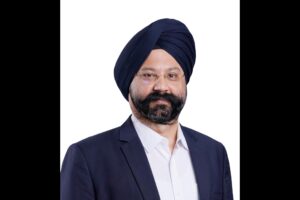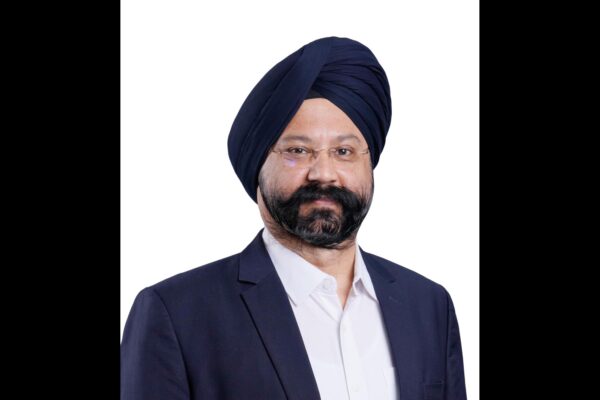
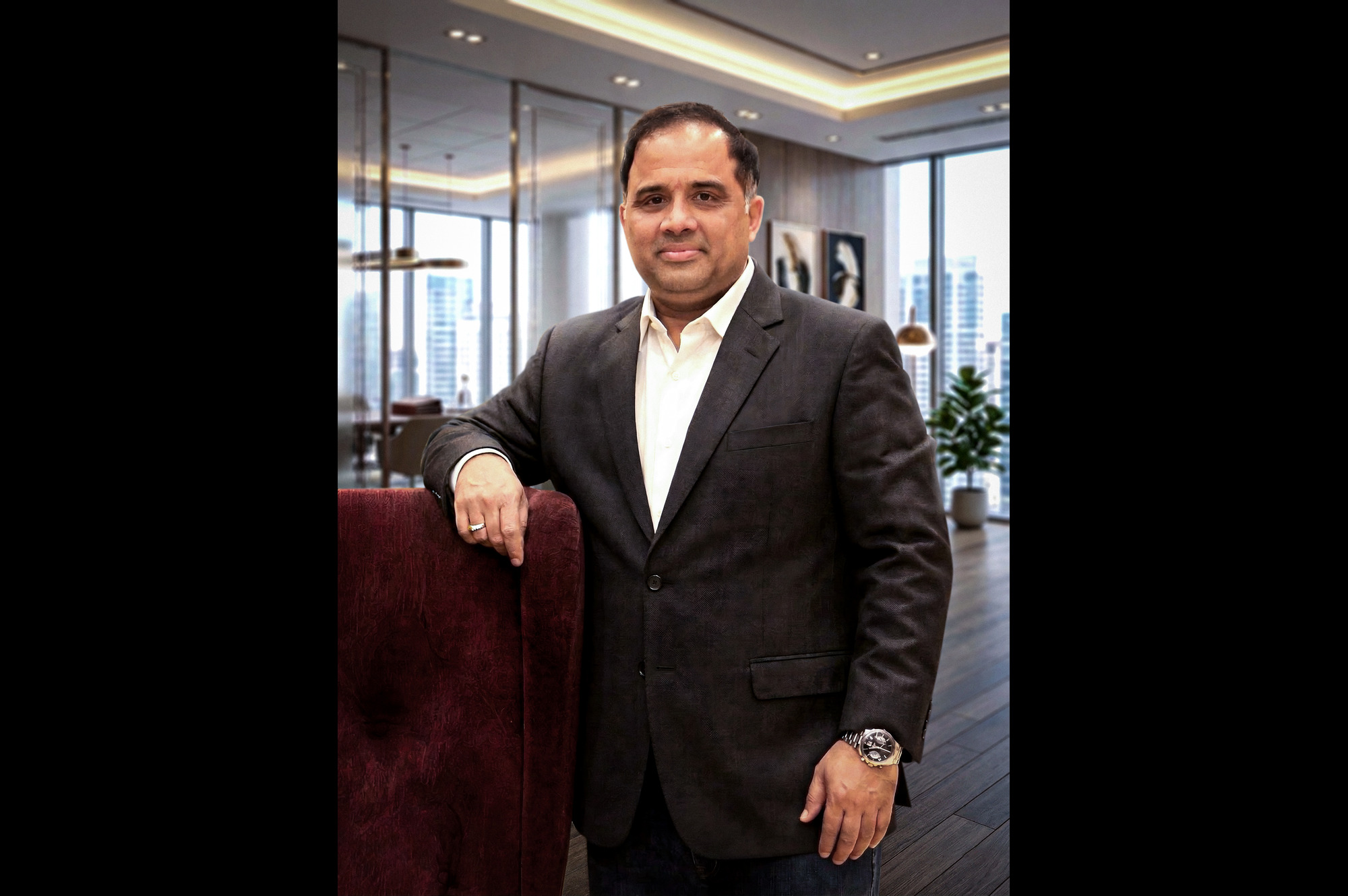
Interview: Pramod C, Director, Gopalan Metals

With the wires and cables market becoming increasingly competitive and witnessing the entry of several new players, what prompted Gopalan Metals to enter the building-wires segment, and where do you see the biggest opportunities for growth?
Gopalan Metals entered the building-wires segment as a strategic extension of its existing copper manufacturing capabilities. At our Hoskote facility, we draw, anneal and process copper conductors, giving us a strong manufacturing foundation to expand into finished wiring products. This move allows us to build on our core expertise while addressing the growing demand for reliable, quality-compliant electrical wiring solutions. Our BIS licence (ISI Mark) further strengthens our credentials to serve this market. India’s rapid urbanisation, expanding residential construction, commercial real estate development and infrastructure investments are creating significant opportunities for the building-wires industry. We see the biggest growth potential across three segments: residential construction, through dealers, distributors and electrical contractors; commercial and infrastructure projects, through institutional partnerships; and industrial facilities and OEMs, where consistent quality and dependable supply are critical. Our focus is on leveraging our existing manufacturing strengths, building a strong market presence and developing both retail and institutional sales channels. We see building wires as an important opportunity to expand our product portfolio and establish a stronger position in India’s growing wires and cables market.
Gopalan Metals brings four decades of experience in copper manufacturing to the wires and cables business. How are you leveraging this expertise to differentiate Gopalan Wires and Cables in terms of product quality, performance and reliability?
Four decades of experience in the industry and a copper-first approach to manufacturing underpin every aspect of Gopalan Group’s building-wires business. From the choice of electrolytic copper conductors that provide high levels of conductivity and are appropriate for electrical applications through to the production process itself, the Wires and Cables segment leverages its in-house foundry, continuous casting, automated wire-drawing and precision annealing and extrusion capabilities, all of which are linked via SAP to ensure consistency in every production and dispatch cycle. Control over the entire value chain in-house means the quality of the conductors is not dependent on any third-party supplier. Modern extrusion techniques ensure that insulation thickness and heat resistance are uniform. Products are subjected to in-house testing and process controls before being dispatched to customers, while the BIS licence is an assurance that the manufacturing processes are adhered to in-house for the production of wires and cables. For the customer, it means dependable performance across the life-cycle of any given application.
Consumer safety is a key concern in building wires, particularly the risk of electrical fires. How are your FR and FRLS-H wires designed to address these safety concerns, and what role does R&D play in further improving their performance?
Electrical safety begins with the insulation and the conductor. The Wires and Cables segment offers FR (Flame Retardant) and FRLS-H (Flame Retardant Low Smoke and Halogen) PVC house wires. Flame-retardant house wires are designed to prevent the propagation of flames along the length of the cable. FRLS-H house wires, on the other hand, have additional attributes of low smoke and low halogen, which is an added safety feature in confined places like residences, offices, and commercial complexes, as it reduces health hazards caused by smoke and gases during a fire. Electrolytic copper conductors and insulation thickness from the latest extrusion processes ensure enhanced conductivity and improved electrical safety. The next step in this journey is R&D. Constant innovations and improvements in the manufacturing process at Hoskote help to test, evaluate and fine-tune the properties of the insulation material and other parameters to meet higher standards and evolving customer requirements. The BIS licence is just the beginning, and we are committed to further improvements in products and processes.
Your Hoskote facility has a production capacity of around 6,000 km of building wires per month. How are you planning to utilise this capacity, and do you have plans to expand your product portfolio beyond building wires into specialised or industrial cables?
Hoskote’s capacity to produce around 6,000 km of building wires per month can meet the demand from both retail and institutional customers. While the company is targeting to scale volumes through electrical dealers and distributors, it will also focus on meeting the requirements of contractors, builders, infrastructure developers and OEMs apart from these distribution channels. The utilisation is expected to pick up as dealer networks and brand recognition grow in a particular geography. Apart from building wires, the company has a roadmap for rolling out its entire range of electrical and copper products in the Indian market. We are already manufacturing copper rods, busbars, bare and tinned annealed wires, fine and super fine wires, bunched conductors and PVC cables for the industrial segment from its existing facilities. Specialised and industrial cables could be launched from the same unit as the company targets to build volume in the wire business first. However, there is no time-bound strategy; the launch of these products will happen depending on the market demands.
As a new entrant competing with well-established wires and cables brands, what strategies are you adopting to build market presence, gain customer trust and differentiate Gopalan Wires and Cables from established players?
A new entrant builds a reputation on trust and delivers credentials that customers can check out. The Wires and Cables segment offers the BIS licence (ISI Mark) and electrolytic copper conductors with manufacturing by a copper producer, backed by the 40-year-old Gopalan Group, as proof of credibility. These address the first questions that an electrician, contractor, and builder will have: is it certified, what is inside, and who stands behind it. Its differentiation lies in the relationship model at Gopalan Metals that drives customisation, lead time and technical support as decisive factors. Contractors and institutional buyers seeking to meet project deadlines have a reliable manufacturer to turn to with SAP-integrated operations and the ability to meet volumes on a consistent basis. The company has an approach to market presence that will rely on availability, dealer networks, and project references: a track record is important to buyers, and the Wires and Cables segment will match them against credible quality, manufacturing transparency, and day-one support.
How do you plan to strengthen your dealer and distributor network and expand your reach across retail and institutional markets to compete with brands that already have a strong market presence?
A simple principle of distribution will govern the growth process – dealers and distributors will gravitate towards brands that are certified, available and supported. The Wires and Cables segment already caters to electrical dealers, distributors, contractors, builders, infrastructure projects, OEMs and end users and will build on this network. The emphasis will be on developing strong relationships with electrical dealers and distributors in key markets, who in turn will have reliable inventory and timely delivery through the integration of SAP and a range of products with ISI marks. Directly engaging with builders, contractors and infrastructure developers will also create big-ticket opportunities. The two channels will synergise, as the contractor’s preference will drive demand at a dealer level, and references will enhance credibility. The Wires and Cables segment will expand region by region, adding partners who can be provided with the same levels of service and support, and will be sustained as a business as long as a given level of service can be provided.
Looking ahead, what are Gopalan Wires and Cables’ growth priorities over the next three to five years and what role do you see the brand playing in India’s expanding electrical and infrastructure market?
In the next three to five years, priorities are set in an order of growth. The first is to build the Wires and Cables segment as a preferred choice through its reach with dealers and distributors and by providing products of consistent quality and BIS certification. The second priority is to build institutional business with builders, infrastructure projects and OEMs. The third is to expand the portfolio by adding specialised and industrial cables and further copper-based electrical products for the Indian market. Domestic manufacturing is the focus of the company’s strategy. Gopalan Metals wants to build India’s copper ecosystem and reduce import dependence while also aligning with Make in India and Atmanirbhar Bharat. With a manufacturer that can offer copper from rod to wire, it will be possible to meet demand, maintain quality consistency and support growth in electrification, infrastructure and renewables. The long-term goal is a diversified portfolio of Indian-made products that are known for their technical excellence and reliability.