How Developers are Using Consumer Psychology to Shape Residential Campaigns

byPiyush Niljikar, Head of Marketing, Atul Projects
Residential real estate in India has changed dramatically due to advances in product development and how real estate is marketed today compared to years ago. The desire for homes among home buyers today is more about emotional needs and aspirations, while in the past, home buyers made purchase decisions based mainly on the products being sold to them.
Residential marketing has traditionally been about location, price, amenities, and technical specifications of the property; however, with home buyers now looking at not only the property but also how it fits into their lifestyle and emotional, long-term aspirations, and quality of life, many developers have had to adopt a more consumer-centric approach to communicate their projects.
One of the most noticeable changes in residential marketing is the shift from selling homes to selling experiences. Today’s consumers are not just buying apartments — they are investing in comfort, wellness, convenience, community, and emotional security. Consequently, many marketing campaigns today convey themes of balanced lifestyles, a connection to nature, wellness-oriented living, and the reduction of stress from living in the city, as opposed to merely highlighting square footage and technical specifications of the property.
The changes are largely visible post-pandemic; today’s buyers prioritise open spaces, natural light, low-density developments, work-friendly spaces, and lifestyle-driven amenities more than ever before. Developers have adapted their project positioning and concept development to focus on emotional connections that reflect the evolving priorities of the consumer segment as a result. Thus, they are no longer merely demonstrating how the residential campaigns promote a physical product but are utilising the promotion of anxieties and aspirations associated with lifestyle in today’s residential campaigns.
Infrastructure-led marketing has become highly integrated with the consumer psychology of buyers. The improvement of connectivity provided by metro lines, link roads, coastal roads, and transportation infrastructure is no longer simply marketed as a benefit for commuting. Current marketing initiatives are beginning to highlight the improvements as providing convenience of lifestyle, accessibility, time efficiency, and future potential growth of the area through the development of the infrastructure. Buyers have an inherent psychology that connects infrastructure development with increased upward mobility and appreciation, making these narratives very influential within residential campaigns.
Exclusivity and individuality are other important factors driving current marketing strategies. In the premium and luxury markets, buyers are attracted to low-density living communities, curated communities, and limited inventory developments. Therefore, by consciously positioning their projects around privacy, exclusivity, and the distance of individual buyers from other similar buyers, developers create emotionally valuable experiences for aspirational buyers within each product category they offer.
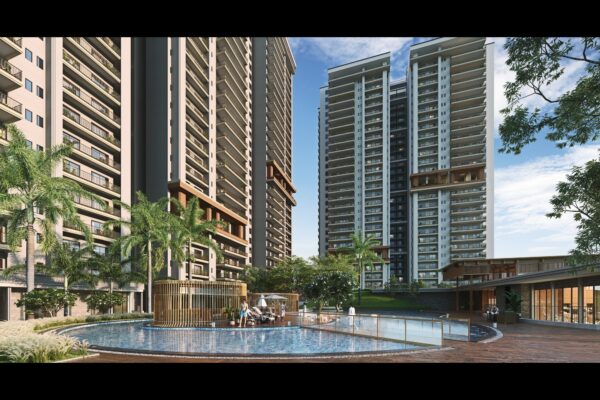
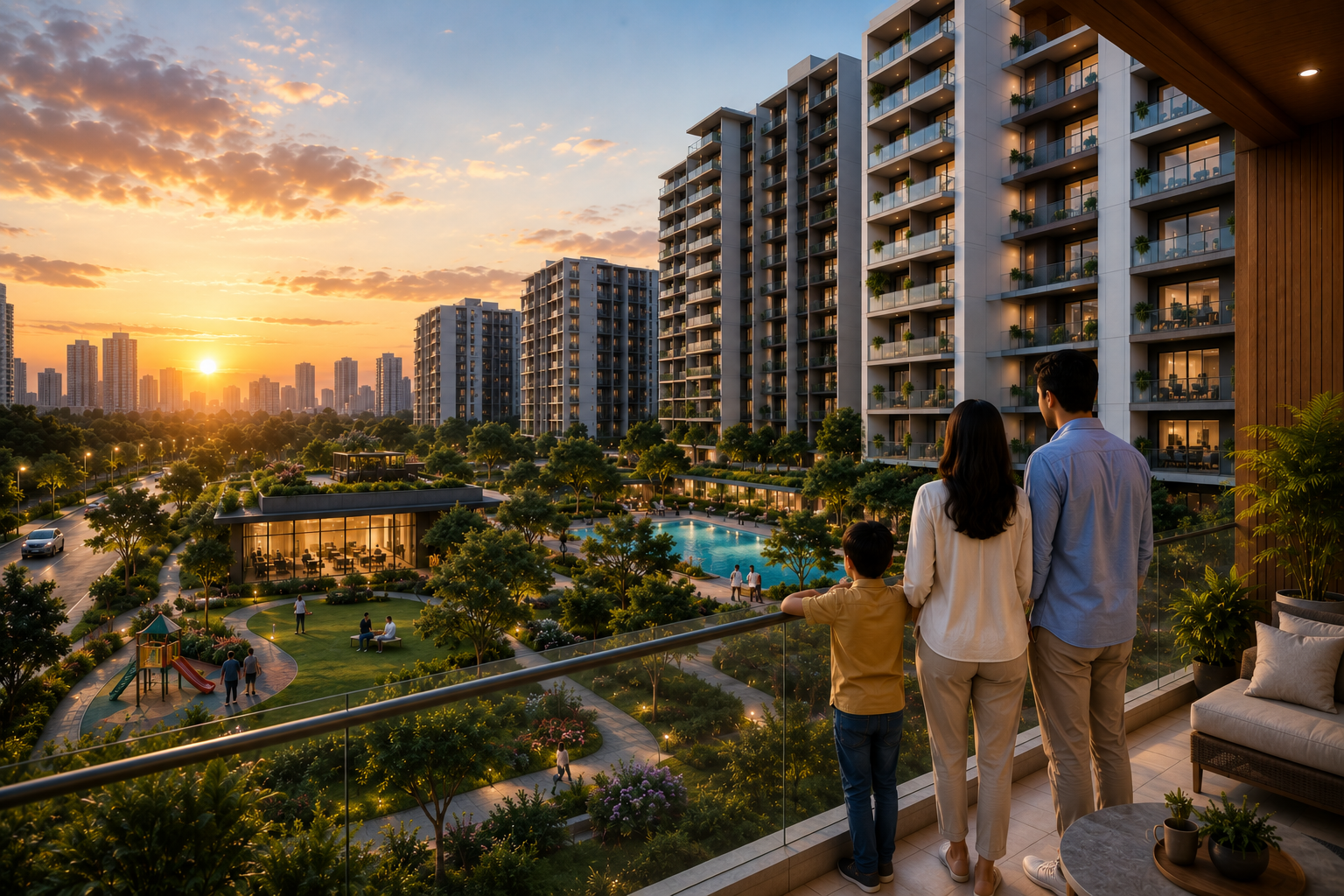
The use of visual storytelling is becoming increasingly important in psychology-driven residential marketing, where immersive visuals, lifestyle-based storylines, and emotionally relatable scenarios are being used to assist consumers in seeing themselves in the environment they have been presented with (peaceful green spaces, family dynamics and experiences, wellness amenities, or hybrid working environments, etc.). As such, developers are creating campaigns that build both emotional familiarity and aspiration in a single campaign.
Digital platforms and consumer data have helped developers better understand buyer behaviour, making marketing increasingly targeted and personalised. By analysing the browsing, engagement, inquiry, and content consumption patterns of consumers, developers can better understand the things that create an emotional response within their buyers and therefore create more relevant, focused, and consumer-specific campaigns rather than mass communication.
At the same time, developers must strike a balance between aspiration and credibility when developing campaigns, as authenticity is a key component of residential marketing today. With highly-cognizant and research-driven buying behaviour, trust and brand perception can be influenced negatively if campaigns use exaggerated communication or unrealistic promises. Today’s buyers are more inclined to respond positively to campaigns that they perceive as relatable, practical and reflective of the actual realities of urban living.
Residential real estate marketing today will increasingly become more focused on the consumer rather than just the building. As consumer behaviour and emotional triggers begin to play a larger role in residential real estate marketing, there will be a shift toward aligning developers’ marketing campaigns with developing consumer psychology. Developers with successful campaigns that are able to engage their customers on a deeper level will be able to create more successful long-term relationships as the competitive nature of residential real estate grows.
With the continued urbanisation of society and the associated changes in consumer psychology, it will continue to have greater implications for how residential projects will be positioned, marketed and experienced in the future.
Tags