Beyond Formulations: Ducol’s Vision for India’s Infrastructure Future

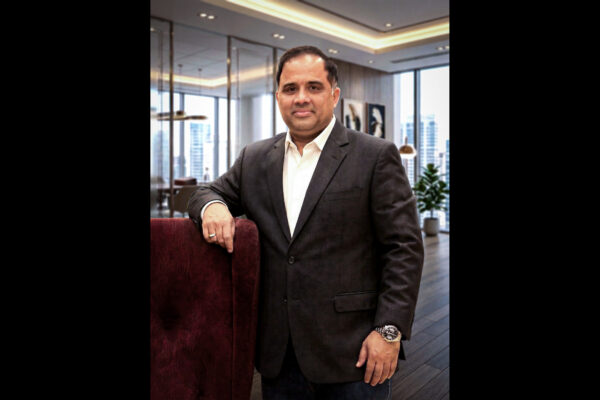
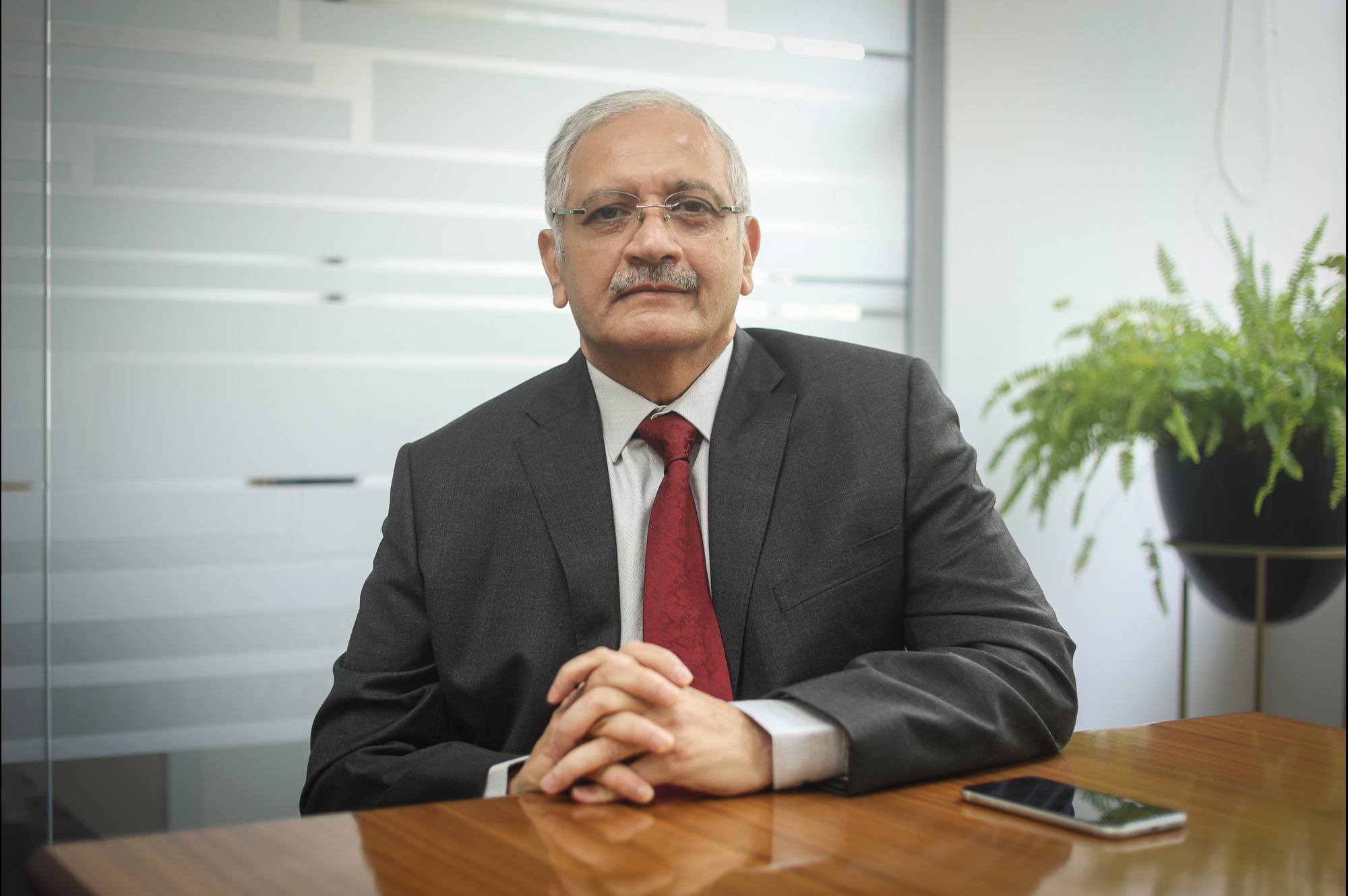
by Aamer Farid, Managing Director, Ducol Organics & Colours Limited
India’s infrastructure transformation is driving a growing emphasis on material innovation, structural durability and long-term performance. As the industry embraces advanced, application-led solutions, Ducol Organics & Colours is leveraging its formulation and manufacturing strengths to expand into specialty construction materials, positioning itself for emerging opportunities across India’s infrastructure and industrial landscape
India’s infrastructure story is increasingly moving beyond the question of how much the country needs to build to how well that infrastructure will perform over the long term. Investments across roads, bridges, urban infrastructure, commercial real estate and housing are creating significant demand for construction materials, while greater emphasis is being placed on durability, quality and lifecycle performance.
This shift is bringing greater attention to materials that are often less visible than the structures they help protect. Waterproofing, for instance, has traditionally been viewed as a finishing-stage requirement. Increasingly, however, it is being recognised as an important component of building performance, helping protect structures against moisture ingress, water damage and gradual deterioration.
When water penetrates inadequately protected structures, it can affect concrete, reinforcement and other building components, potentially increasing maintenance requirements and repair costs. As India’s built environment expands, the need to consider waterproofing and other construction materials as part of the infrastructure lifecycle, rather than as solutions introduced after problems emerge, is becoming more pronounced.
For material manufacturers, this is creating an opportunity to combine formulation expertise, manufacturing capabilities and application-specific technologies to address increasingly diverse construction requirements.
Ducol Organics & Colours is among the companies seeking to build on this opportunity.
From Formulations to Construction Materials
Established in 1994, Ducol built its business around pigment dispersions, dry dispersions and masterbatches, serving industries including paints, inks, textiles, plastics, rubber and paper.
Over more than three decades, the company has developed expertise in dispersion technology, customised formulations and manufacturing processes across a range of industrial applications. This technical foundation has increasingly become the basis for Ducol’s expansion into adjacent product categories.
The move into waterproofing and construction chemicals marked an important step in this evolution.
In 2025, Ducol acquired Bitumag Industries, giving the company an entry into polymer-modified bitumen-based waterproofing membranes. Bitumag’s portfolio includes torch-applied and self-adhesive waterproofing solutions serving residential and commercial developments as well as infrastructure applications.
The acquisition also brought Ducol into a segment where material performance is closely linked to application conditions. Waterproofing systems can be exposed to varying levels of moisture, temperature, structural movement and environmental stress, making formulation, product selection and application critical to their performance.
Following the acquisition, Ducol commissioned a second production line at its Vadodara facility, taking its annual manufacturing capacity for waterproofing membranes to more than 10 million square metres.
The expansion represents a broader strategy for the company: leveraging its existing capabilities in formulation and manufacturing while entering markets where those capabilities can be applied to more specialised performance requirements.
Why Material Performance is Becoming More Important
The construction industry is witnessing a gradual shift towards materials designed around specific performance requirements rather than simply conventional product specifications.
In waterproofing, for example, polymer-modified formulations and different membrane technologies can address varying site conditions and project requirements. The effectiveness of a system, however, depends on more than the material itself. Surface preparation, installation practices, compatibility with other construction materials and adherence to technical specifications can all influence the final outcome.
This is making technical collaboration increasingly important across the construction value chain. Architects, engineers, contractors, developers and material manufacturers need to engage more closely to determine the appropriate material and system for a particular application.
For manufacturers, the implication is equally significant. Product development increasingly requires investment in formulation, testing and application capabilities, alongside manufacturing processes that can deliver consistency from one production batch to another.
Ducol’s experience in formulation and dispersion technology provides a foundation for this application-led approach. The company’s expansion into waterproofing is therefore not simply a move into another product category, but an extension of capabilities developed over several decades.
Building Manufacturing Strength
As construction materials become increasingly application-specific, manufacturing capabilities are likely to play a greater role in determining a company’s ability to serve customers across markets.
Automation, process controls, testing infrastructure and application laboratories can help manufacturers improve consistency and operational efficiency. At the same time, understanding how products behave in real-world applications is becoming increasingly important in product development.
Ducol currently operates six manufacturing facilities across Maharashtra and Gujarat, supported by in-house analytical, formulation and application laboratories.
The company is continuing to invest in manufacturing infrastructure and product development capabilities across its established dispersion business and its newer construction-related applications.
The strategy is also extending beyond waterproofing.
Ducol has expanded its presence in industrial adhesives through the acquisition of a majority stake in Xchem Polymers India. The move broadens the company’s exposure to industrial applications while adding another adjacent category to its portfolio.
Taken together, the Bitumag and Xchem investments point to a strategy centred on building a broader materials platform around formulation, manufacturing and application expertise.
Looking Beyond the Domestic Market
The opportunity for Indian material manufacturers is also expanding beyond the domestic market. Construction and infrastructure activity across emerging economies is creating demand for building materials and waterproofing solutions that can meet specific regional requirements.
Ducol’s partnership with Malaysia-based Qualibit Chemicals & Industries is part of this international expansion. The collaboration provides a platform to introduce Bitumag’s waterproofing products into Southeast Asian markets through an established regional network.
The company has also strengthened its international presence through partnerships such as Altek International.
For manufacturers, partnerships of this nature can provide access to new markets while also helping companies understand regional customer requirements, regulatory environments and distribution networks.
For Ducol, international expansion forms part of the broader effort to develop its businesses beyond the traditional boundaries of pigment dispersions and into a wider portfolio of specialty material applications.
Building for the Next Phase
India’s infrastructure ambitions will require more than faster construction. The country’s expanding built environment will also require materials capable of delivering durability, reliability and performance over the lifecycle of a structure.
Waterproofing is one example of this broader shift. As construction moves towards greater emphasis on lifecycle performance, the materials used in a structure are likely to receive greater attention from developers, contractors, engineers and other stakeholders.
For manufacturers, this creates an opportunity to move from conventional product-led approaches towards application-focused innovation, supported by stronger technical capabilities and consistent manufacturing standards.
Ducol’s journey reflects this evolution. From its beginnings in pigment dispersions and masterbatches, the company has expanded its capabilities into waterproofing, construction-related applications and industrial adhesives, while continuing to invest in formulation, manufacturing and technical infrastructure.
The company’s expansion comes at a time when India’s infrastructure and construction sectors are entering a period of sustained development. The opportunity for material manufacturers will therefore extend beyond supplying products for today’s projects. It will increasingly lie in developing solutions that can help structures perform better, last longer and meet the changing demands of the built environment.
For Ducol, the next phase of growth is centred on that intersection of material science, manufacturing capability and application expertise, with the objective of building a broader platform for the evolving requirements of India’s infrastructure and industrial economy.
Tags