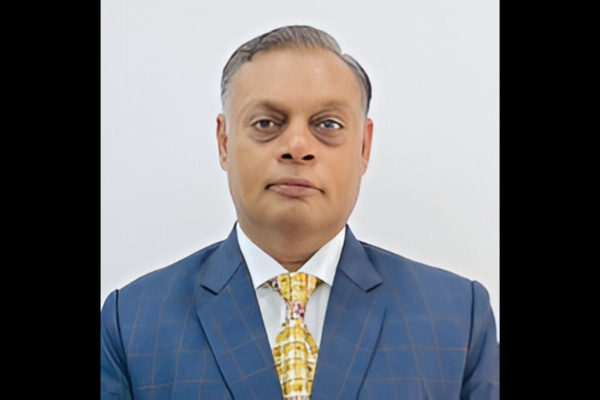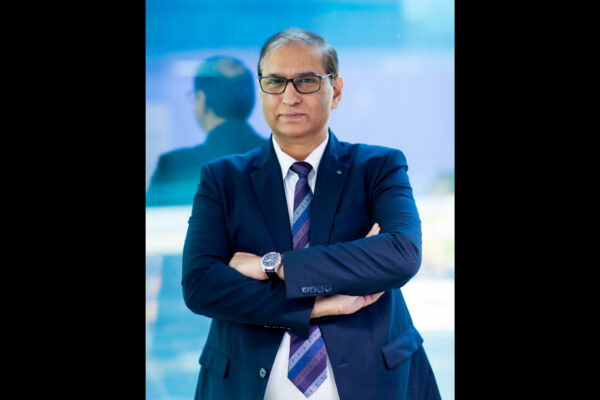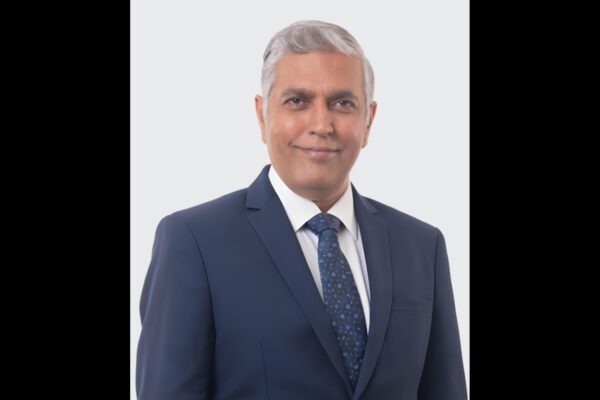
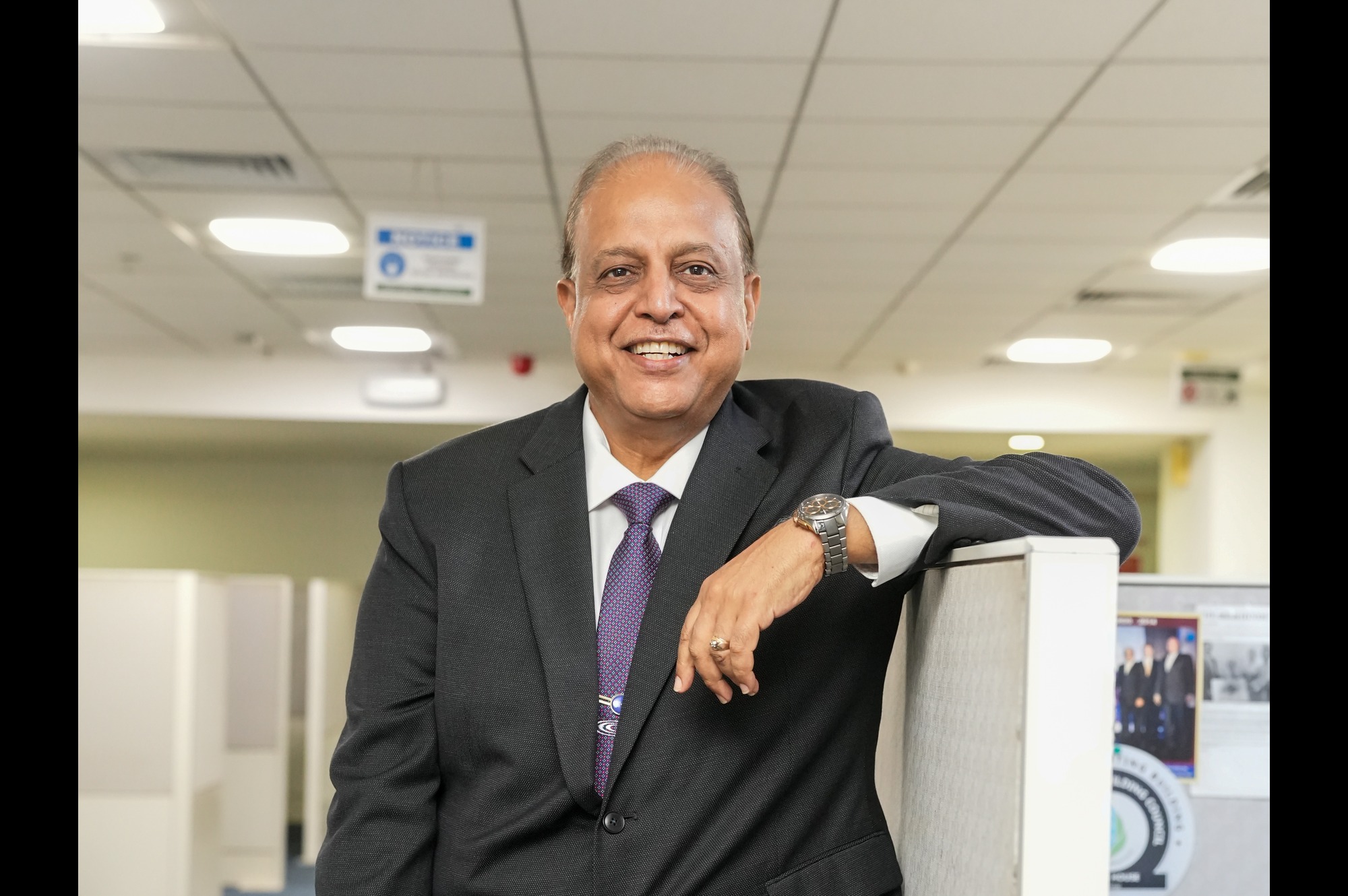
Interview: Rajiv Mittal, Chairman and Managing Director, VA Tech Wabag

With water scarcity becoming a growing concern across many Indian cities, can wastewater treatment and reuse emerge as a sustainable solution to address the country’s water security challenges? What is your perspective and what steps are needed to accelerate its adoption?
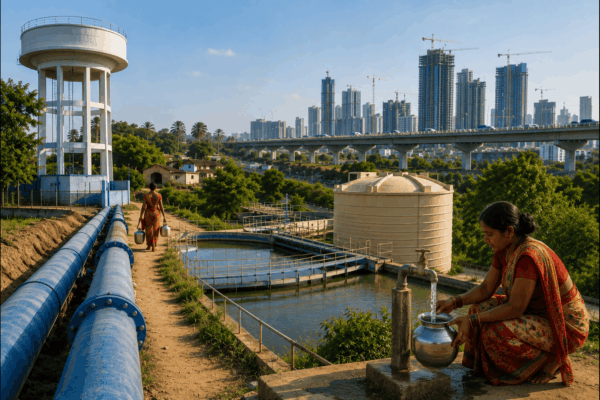
India’s water security challenge can no longer be addressed by relying solely on conventional freshwater sources. Rapid urbanisation, industrial growth, climate variability and declining groundwater levels are placing unprecedented stress on our water resources. In this context, wastewater treatment and reuse are no longer optional sustainability initiatives; they are becoming strategic imperatives for ensuring long-term water security. Wastewater should no longer be viewed as a waste stream, but as a valuable resource capable of creating what we call “Manufactured Water.” Unlike rainfall or surface water, treated used water is a reliable, climate-resilient and locally available source that can supplement freshwater supplies. It can effectively meet the water requirements of industries, power plants, construction, landscaping, agriculture and several urban non-potable applications, thereby preserving precious freshwater resources for drinking and domestic use. India has already taken significant steps through initiatives such as Namami Gange, AMRUT 2.0 and the Jal Jeevan Mission, which have substantially expanded wastewater treatment infrastructure. The next phase of this journey must focus on maximising reuse. This requires a comprehensive ecosystem comprising advanced tertiary treatment, dedicated reuse distribution networks, assured industrial offtake, sustainable tariff mechanisms and long-term operations and maintenance to ensure consistent water quality and reliability. Equally important are policy interventions that encourage treated used water reuse through clear regulatory frameworks, mandatory reuse targets for suitable sectors, incentives for industrial adoption and greater public awareness. As cities continue to grow, used water reuse must become an integral component of urban water planning rather than an afterthought. We firmly believe that the future of water lies in a circular water economy, where every drop is treated, recovered and reused. By transforming wastewater into a dependable resource, India can significantly strengthen its water resilience while advancing environmental sustainability and supporting long-term economic growth.
As wastewater projects become larger and more technologically complex, how are EPC companies adapting their project execution strategies to improve efficiency, sustainability and long-term operational performance? How is your organisation contributing to this transformation?
The wastewater sector is undergoing a fundamental transformation in the way projects are conceived, executed and managed. Traditionally, success was measured by engineering excellence and timely project completion. Today, the focus has expanded to encompass the entire asset lifecycle, where operational efficiency, sustainability, resource optimisation and long-term performance are as important as the infrastructure itself. This evolution has led EPC companies to move beyond conventional delivery models towards integrated approaches such as Design-Build-Operate (DBO), Hybrid Annuity Model (HAM) and long-term Operations & Maintenance (O&M). These models promote greater accountability throughout the project lifecycle while enabling the adoption of advanced treatment technologies, digital project management, automation and performance-based operations. With over 6,500 water and wastewater treatment plants delivered across the globe, we have witnessed this transformation firsthand and has continuously evolved its execution approach to meet the changing needs of the sector. Our approach combines engineering excellence with advanced treatment technologies, AI-enabled operational intelligence, digital monitoring and energy-efficient process design to deliver infrastructure that performs reliably throughout its lifecycle. Beyond project execution, our focus is on ensuring sustained operational excellence, regulatory compliance and optimum asset performance. Equally important is our commitment to the principles of the circular water economy. Modern wastewater treatment facilities are evolving into resource recovery centres capable of producing reclaimed water, renewable energy and valuable by-products while minimising environmental impact. We believe the future of project delivery lies not merely in constructing treatment plants, but in creating intelligent, resilient and resource-efficient water infrastructure that delivers long-term value for communities, industries and the environment.
How has your organisation leveraged digital and advanced treatment technologies, such as membrane bioreactors (MBRs), AI, IoT, digital twins and resource recovery solutions, to enhance project delivery, plant performance and sustainability?
For us, technology has always been the foundation of our approach to delivering sustainable water solutions. Our focus is not on adopting technology for its own sake, but on deploying innovations that improve plant performance, optimise lifecycle costs and create measurable value for our customers. Over the years, we have integrated advanced treatment technologies such as Membrane Bioreactors (MBRs), Moving Bed Biofilm Reactor (MBBR), Ultrafiltration (UF), Reverse Osmosis (RO), TTRO systems and Zero Liquid Discharge (ZLD) to consistently meet stringent water quality standards while enabling resource-efficient operations. As the industry evolves, we are complementing these technologies with AI, IoT, Digital Twins, SCADA and advanced analytics to create intelligent and connected treatment facilities. To further strengthen operational excellence, we have established a centralized Network Operations Control (NOC) centre that enables remote monitoring and performance management of our water and wastewater treatment plants across the globe. By integrating real-time operational data, advanced analytics and expert oversight, the NOC centre enhances process optimisation, improves reliability, enables faster decision-making and supports proactive asset management across geographically dispersed facilities. Resource recovery is another key pillar of our sustainability strategy. We are advancing initiatives such as Bio-CNG generation from sludge and other organic waste, transforming wastewater treatment plants into resource recovery centres that produce renewable energy alongside reclaimed water. These initiatives support waste-to-wealth, reduce greenhouse gas emissions and improve the overall sustainability of plant operations. We believe the future of water infrastructure lies at the convergence of advanced treatment technologies, digital intelligence and circular economy principles, enabling utilities to deliver higher operational efficiency, improved sustainability and long-term resilience.
While the government has undertaken several initiatives, such as Namami Gange and AMRUT 2.0, challenges in wastewater treatment, reuse and long-term sustainability persist. What further policy and regulatory reforms are needed to accelerate the sector’s growth?
India has made remarkable progress in strengthening its wastewater infrastructure through transformative programmes such as Namami Gange, AMRUT 2.0 and the Jal Jeevan Mission. These initiatives have significantly expanded treatment capacity and laid a strong foundation for improving urban sanitation and river conservation. The next phase should now focus on maximising the value of these assets by accelerating water reuse and promoting long-term sustainability. To achieve this, a few policy interventions can have a transformational impact. First, treated used water should be recognised as an integral component of India’s water resource planning, supported by clear reuse targets and sector-specific reuse mandates, particularly for industries, power plants and other urban non-potable applications. Second, stronger incentives are needed to encourage investment in tertiary treatment, reuse infrastructure and distribution networks. Third, greater emphasis should be placed on lifecycle performance by expanding long-term O&M contracts and performance-based delivery models such as Design-Build-Operate (DBO) and Hybrid Annuity Model (HAM). Finally, policies should actively encourage digitalisation, AI-enabled operations, resource recovery and energy-efficient treatment to improve plant sustainability and operational resilience. As India moves towards a circular water economy, the policy focus should gradually evolve from ‘treat and discharge’ to ‘treat, recover and reuse.’ This shift will not only strengthen water security but also unlock significant environmental and economic value for the country.
With wastewater expected to play a critical role in India’s water security, what are your organisation’s key priorities and strategic initiatives over the next five years to support this vision?
India’s water future will not be secured by creating more infrastructure alone. It will be secured by fundamentally changing the way we value, manage and reuse water. Our vision is firmly anchored in building a Circular Water Economy, where every drop of water is treated as a valuable resource rather than a disposable commodity. The first pillar of this vision is conserving water. This goes beyond wastewater treatment to creating awareness that freshwater is a finite resource while expanding dependable alternatives such as reused water and desalinated water. Together, these forms of Manufactured Water will play a vital role in conserving our rivers, lakes and groundwater for future generations. The second pillar is protecting the environment. Wastewater treatment plants of the future must evolve into resource recovery facilities that minimise pollution, recover valuable resources, generate renewable energy and reduce greenhouse gas emissions. Through greater water reuse, energy recovery and circular processes, we can significantly reduce the environmental footprint of urban and industrial development. The third pillar is powering economies. As India progresses towards becoming a developed nation, industries and cities will require reliable and affordable water supplies that are independent of seasonal variations. Manufactured Water will become a strategic enabler of industrial growth, ensuring businesses have uninterrupted access to high-quality water while preserving freshwater resources for essential human needs. Technology will be the defining force that binds these three pillars together. Artificial Intelligence, digitalisation and advanced operational intelligence will transform the way water infrastructure is designed, operated and optimised. Our focus is increasingly shifting towards reducing the lifecycle cost of infrastructure through intelligent systems, while creating digital frameworks that can be replicated across multiple plants and geographies. The future lies in combining human expertise with AI, where digital platforms manage routine operations and experienced professionals focus on engineering innovation, critical decision-making and value creation. We believe the next decade will not simply be about building more treatment plants. It will be about building a future where every drop is valued, every resource is recovered and every solution contributes to a more water-secure, environmentally sustainable and economically resilient India.
Tags