Why Co-Working Spaces are Gaining Popularity in a Changing Global Environment

by Sijo Jose, Co-Founder and Director – Property Acquisition, SpazeOne
The way people work has changed dramatically in recent years. For a long time, businesses saw the office as a fixed address — a large space, a long lease and a permanent setup. That is now changing, with hybrid work, remote teams, changing employee expectations and uncertain business conditions making companies rethink how they view a workplace.
Co-working spaces are gaining relevance in this changing environment: Once considered best suited for freelancers, entrepreneurs and startups, they have now become a prudent option for companies of all sizes. Businesses these days are looking for flexible, cost-efficient and easy-to-manage workspaces. Co-working spaces, offering ready-to-use offices without needing any long-term commitments, meet these requirements.
The foremost driver of this shift is flexibility. Companies today need to move quickly. They may want to enter a new market, open a small office in another city, create a temporary project team, or expand and reduce seating based on business demand. In a traditional office lease, such decisions are slow and expensive. On the other hand, the alternative co-working spaces provide is simpler, allowing businesses to scale up or down with ease.
Cost is an important factor, too. If you are setting up a standard office, you have to spend on interiors, furniture, technology, utilities, maintenance and support staff. For many businesses, particularly growing ones, this incurs both money and management time. Co-working spaces offer fully managed offices for a fixed monthly cost, meaning companies can focus more on their work and less on running an office.
Large companies also play a key role in this sector’s growth. Many corporations now use co-working spaces for satellite offices, regional teams, short-term projects and market testing. For a company entering a new city, a co-working space offers a low-risk way to begin operations. It also helps businesses stay closer to clients, partners and talent pools. This has changed co-working spaces’ status from an alternative workspace option to a part of mainstream corporate planning.
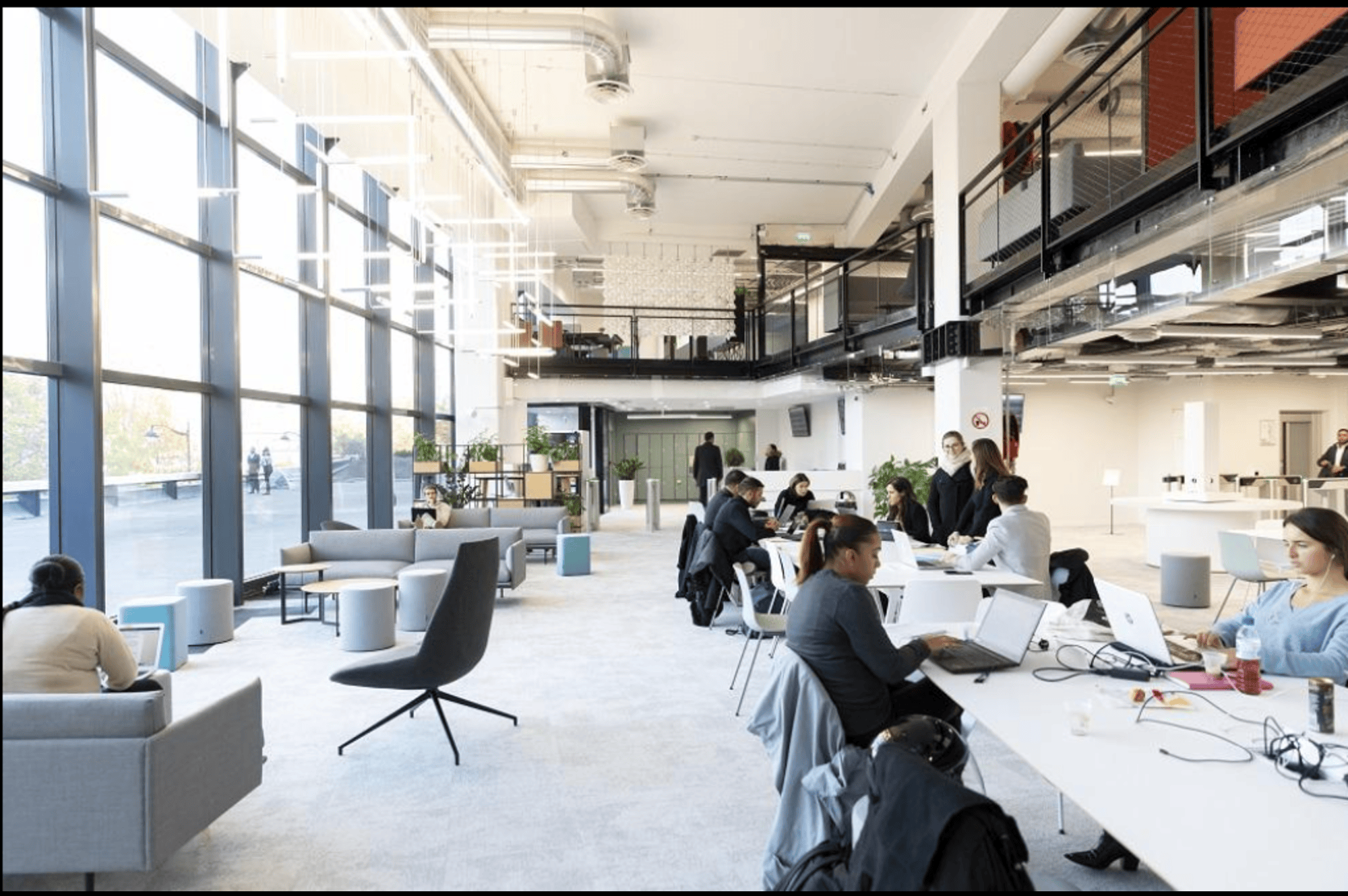
The employee experience has also become a key reason for the popularity of co-working spaces. The workforce these days places immense value on convenience, comfort and work-life balance. Many co-working spaces now offer useful facilities like meeting rooms, breakout areas, cafes, wellness spaces and community events. These make the workday more comfortable and productive. For people following a hybrid work model, co-working spaces also offer a proper office-like environment closer to home. This reduces commute time.
Co-working spaces also help people connect. With entrepreneurs, consultants, startups, remote workers and corporate teams all working together at the same place, there are better opportunities to network, collaborate and build partnerships. Sometimes, even a normal conversation can lead to a new business idea, client or project.
Technology is another major benefit of co-working spaces. High-speed internet, digital entry, smart meeting rooms, booking systems and video-conferencing tools make it easier for teams to work from different locations. These facilities improve productivity, especially as more companies now work with teams spread across different places.
Co-working spaces also support business continuity. Companies sometimes need workspace models which are quick to adapt. Flexible occupancy options mean you are not tied down to fixed real estate. Access to different locations allows businesses to smoothly run their operations even in times of disruption.
Sustainability is another reason why this model is becoming more popular. Since they offer shared infrastructure, there is better use of space, energy and resources. Instead of every company building and maintaining a separate office that might remain underused, co-working spaces encourage more efficient use of common facilities, reducing wastage.
The rise of managed office solutions has expanded the sector’s appeal. Many companies now want the flexibility of co-working along with the privacy, branding and customisation of a traditional office. Managed offices offer businesses customised, fully serviced spaces within a flexible model.
As the professional world evolves, co-working spaces are not a temporary arrangement anymore. They reflect a larger shift in companies’ view on offices, employees and productivity. With a preference for flexibility, efficiency, employee comfort, work-life balance, sustainability and technology, co-working spaces are set to remain an important part of the future workplace.
Tags