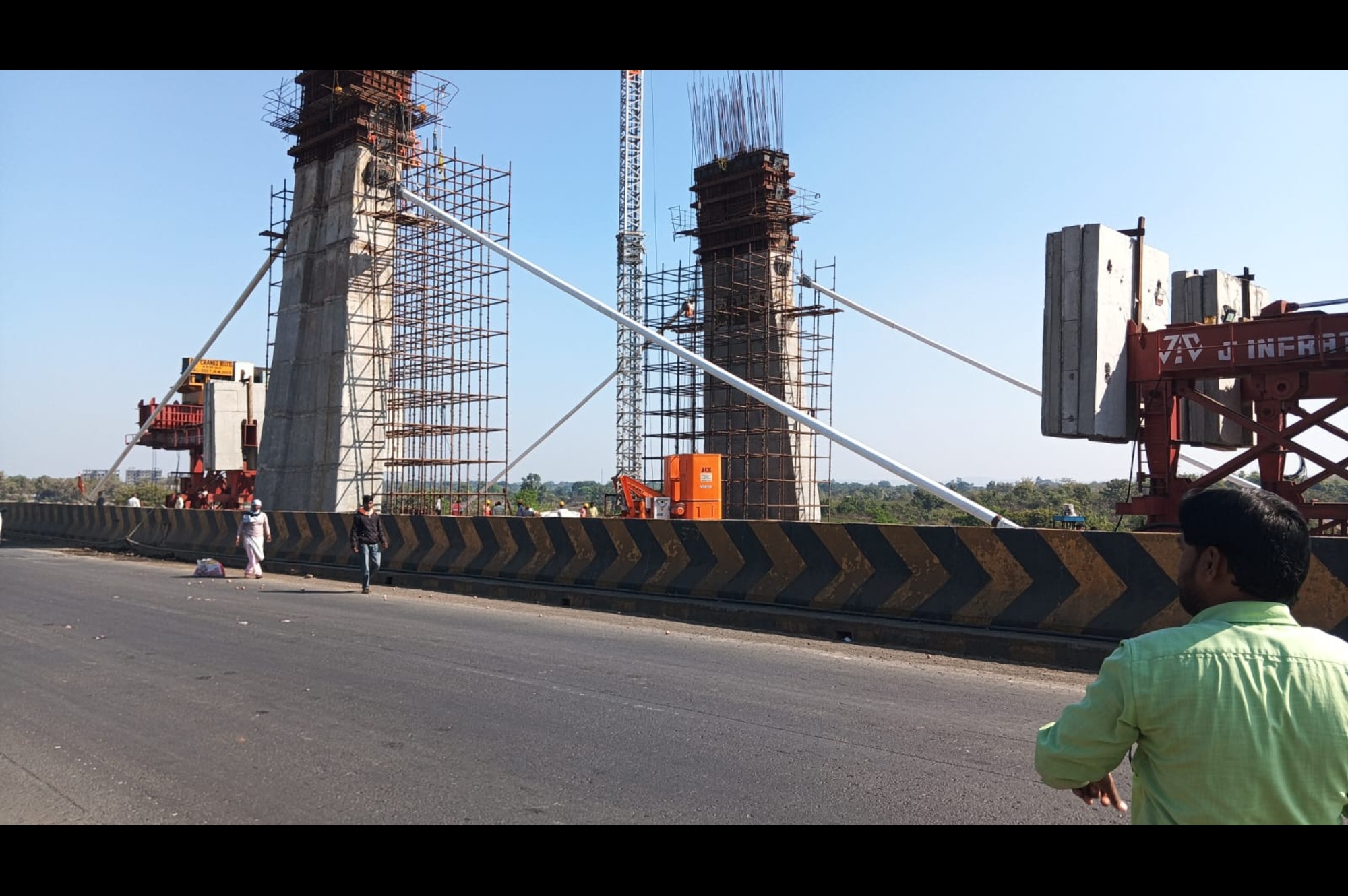
From Peripheral Regions to Growth Hubs: The Power of Infrastructure-Led Upliftment

by Mohit Jandu, Managing Director, J Infratech
Regions tucked away from coastlines, obstructed by mountains or simply neglected by the powers that be, continue to exist in perpetual underdevelopment characterised by low productivity, limited market access, and persistent poverty. For generations, such peripheral locations, viewed as remote, underdeveloped or transitional areas, have found themselves outside the scope of economic narrative.
However, times are changing now, as such marginalised areas are experiencing a rapid rise in their potential to become key areas of growth not due to mere coincidences, but because of conscious and strategically driven efforts at infrastructure-based development.
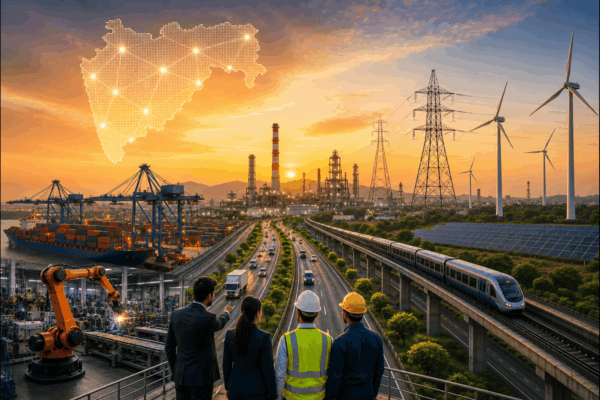
And indeed, infrastructure today is being wielded as an important tool of economic transformation that is turning these neglected areas into vibrant centres of growth. By facilitating better connectivity and improving transportation and logistics infrastructures, highways, expressways, and transit systems help transform these areas by redefining their economic profile.
Roads and Highways Reshaping Regional Economies
Infrastructure is often called the backbone of an economy, and in India, it truly drives the country’s growth story. Roads, railways, ports, and urban projects do more than just connect places. They connect people, businesses, and opportunities. Each kilometre of highway or rail line built has a ripple effect, linking markets, facilitating trade, and creating jobs across regions.
For a long time now, roads and highways have been central to India’s transport system as they help in reducing travel time and costs, while allowing business enterprises access to new markets. Being home to the second largest network of road transport in the world, India continues to add to its backbone of connectivity through over 1,46,000km of National Highways.
This strategy has been successfully implemented on a large scale in India. As part of India’s infrastructure development efforts that include projects like the Bharatmala project and dedicated freight corridors, there has been an increase in connectivity. So far as MMLP is concerned, thirty-five sites were sanctioned under the Bharatmala Pariyojana in April 2025. Out of the sanctioned sites, there were five that were being developed – Jogigopha, Chennai, Bengaluru, Nagpur, and Indore, expected to be functional by FY 2025-26 and FY 2026-27. Overall, these five MMLPs are expected to process seven hundred million tonnes of cargo.
The national highway network alone has grown by over 60% in the past decade, increasing from around 91,287 km in 2014 to over 146,195 km today. This expansion is not just about mobility; it is about unlocking economic access for regions that were previously disconnected from mainstream growth.
The rationale behind this is very simple but profound – connectivity comes before opportunity. Without roads, a village cannot move its products to the market. Without electricity, an area will not be able to lure industries. Without information technology, a hinterland cannot participate in today’s economy. Realizing this fact, India has made infrastructure its focal point for development. Through the National Infrastructure Pipeline (NIP), investments worth more than $1.4 trillion have been lined up for transport, power, and urban sectors – one of the largest infrastructural projects in the world.
Infrastructure such as highways, expressways, and public transportation can save people’s time and virtually shorten the distance between hinterlands and cities. With better connectivity, businesses can establish operations outside city centres without losing their links with the core. For residents, it expands employment catchments, allowing them to live in more affordable areas without letting go of opportunities.
This scale of investment is already changing the game at the regional level. The creation of economic corridors such as Delhi-Mumbai Industrial Corridor (DMIC) and the development of highways has created growth centres outside traditional urban spaces. The periphery regions within such belts are undergoing changes from mere storage of land to productive regions for investments in manufacturing, warehousing, and logistics.
Investments in infrastructure development are also transforming the Indian real estate scenario. The fringes of such regions, which used to be peripheral to conventional urban areas, have started developing through demand-based planning. The focus is gradually shifting from speculative expansion to planned urbanisation, where infrastructure, social amenities, and economic activity evolve in tandem.
The Path Forward: Purposeful Connectivity
The lesson from decades of global experience is that infrastructure is necessary but not sufficient. It needs to be complemented with investments in education and skills, good governance, financing for local entrepreneurship, and regulatory regimes that support private enterprise. Infrastructure policies must favour social need, and planning tools need to respect local values.
India’s infrastructure push is doing more than connecting places; it is redistributing opportunity. By bringing peripheral regions into the fold of economic activity, it is reducing regional disparities and enabling a more balanced pattern of growth. The shift from periphery to mainstream is no longer aspirational; it is already underway.
As this momentum continues, the regions that were once neglected are set to become the next engines of India’s growth, powered not by proximity, but by connectivity, planning, and well-planned infrastructure investment.
Tags