Why Cordless is Becoming the New Safety Standard on Industrial Jobsites

by Anindya Pal, Director, Enerpac India
India’s industrial and infrastructure sectors are scaling rapidly, with increasing emphasis on efficiency, compliance, and worker safety. While significant progress has been made in mechanization and process improvements, one critical risk area often goes underexamined: how tools are powered on jobsites.
Corded tools have long been integral to industrial operations. However, in today’s high-intensity, compliance-driven environments, they are being re-evaluated. Increasingly, organizations are recognizing that cordless technology is not just about convenience; it is emerging as a safer, more resilient alternative.
The Problem: Everyday Risks in Routine Operations
Many workplace incidents stem not from complex machinery but from routine tool usage. Electrical hazards continue to be a concern across industrial settings. As per the Central Electricity Authority, electrical accidents contribute to a significant number of workplace injuries each year, often linked to unsafe handling, faulty equipment, or exposure to live wires. In 2023, electricity-related accidents killed over 18,000 people in India.
Corded tools contribute to these risks in multiple ways:
● Worn-out or damaged cables can expose workers to electric shocks
● Temporary wiring and poor grounding increase vulnerability, especially on project sites
● Cables across work zones create tripping hazards and restrict mobility
These risks are amplified in India’s diverse operating conditions; whether it is humidity, dust, or uneven terrain, cables are more prone to damage and degradation.
The Shift: Eliminating Risk at the Source
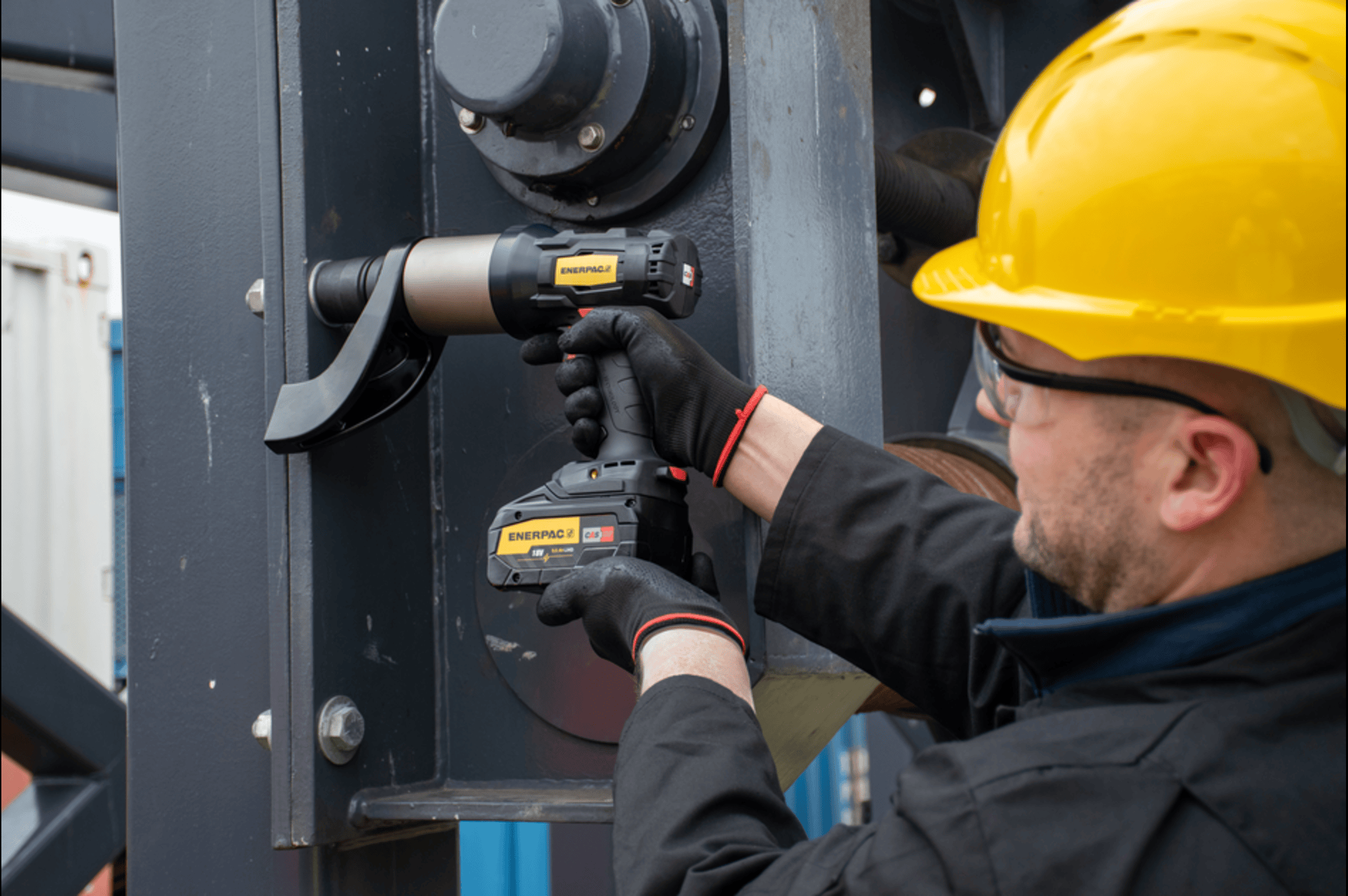
Cordless tools are transforming this risk landscape by addressing the problem at its root. By removing external power cables, they significantly reduce the chances of electrical exposure and cable-related incidents. This is particularly valuable in environments where consistent and safe power access cannot always be guaranteed.
At the same time, cordless tools enable greater mobility and flexibility. Workers are no longer constrained by cable lengths or forced to navigate around wiring, leading to better ergonomics and reduced fatigue, both critical factors in minimizing human error.
Importantly, advancements in battery technology mean that cordless tools today offer high performance, durability, and reliability, making them suitable for demanding industrial applications.
This transition is also aligned with India’s broader push towards safer workplaces, supported by institutions like the Directorate General Factory Advice Service and Labour Institutes, which emphasise proactive risk reduction through better tools and systems.
Why Cordless Is Becoming the New Standard
The growing shift towards cordless tools is driven by clear, practical advantages:
● Reduced electrical risks: No dependency on exposed cables or temporary wiring
● Lower trip hazards: Cleaner, safer work environments
● Improved productivity: Faster execution due to unrestricted movement
● Stronger compliance: Easier alignment with evolving EHS (Environmental, Health, and Safety) norms and audits
In sectors such as infrastructure, energy, and manufacturing, where safety directly impacts timelines and costs, these benefits are increasingly hard to ignore.
Cordless tools also prove invaluable in remote or distributed worksites, where reliable power infrastructure may not be readily available.
Interchangeable Battery Platforms: Improving Efficiency and Safety
An important advancement accelerating the adoption of cordless tools is the emergence of standardized battery platforms compatible across multiple tools. Interchangeable battery systems enable a single battery pack to power different tools within an ecosystem, reducing the need to manage multiple chargers, cables, and power configurations on site, while improving uptime.
Cordless Alliance System (CAS) batteries are designed to work across multiple brands of power tools, allowing a single 18V battery to power a wide range of tools. This interoperability reduces the need for multiple battery inventories, simplifies tool management, and supports uninterrupted workflows in demanding industrial environments. By combining flexibility with professional-grade performance, interchangeable batteries strengthen the case for cordless tools as a practical, scalable, and safer solution for modern jobsites.
Managing the Transition: Addressing Battery Safety
While cordless tools eliminate several traditional risks, they introduce a new area of focus – battery management. Lithium-ion batteries, if improperly handled, can pose safety concerns. However, these risks are predictable and manageable through standardised charging and storage practices, use of certified equipment and workforce training on safe handling.
Compared to the unpredictable risks associated with damaged cables or exposed wiring, battery-related risks can be systematically controlled within structured safety frameworks.
Conclusion: A Necessary Evolution in Safety Thinking
As industrial operations become more complex, safety strategies must evolve from risk management to risk elimination. Cordless tools represent a fundamental step in this direction. By removing some of the most common and preventable hazards associated with corded equipment, they are redefining safety standards on modern jobsites.
What was once viewed as a matter of convenience is now becoming a benchmark for safer, more efficient operations. For organisations, the shift is no longer optional. In an environment where safety, productivity, and compliance are deeply interconnected, adopting cordless technology is not just a technical upgrade, it is a strategic imperative for the future of industrial work.
Tags