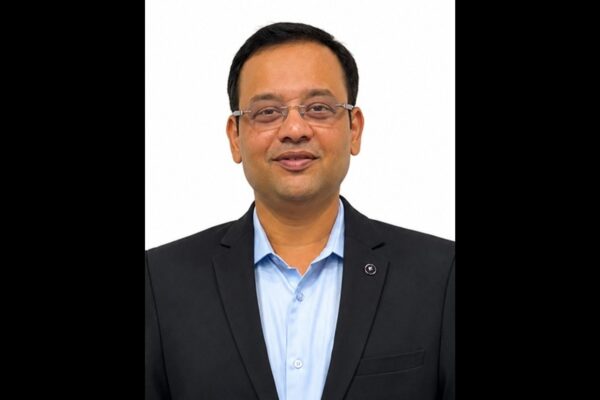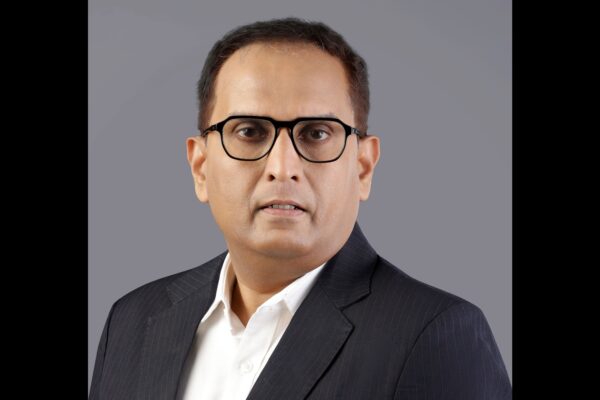
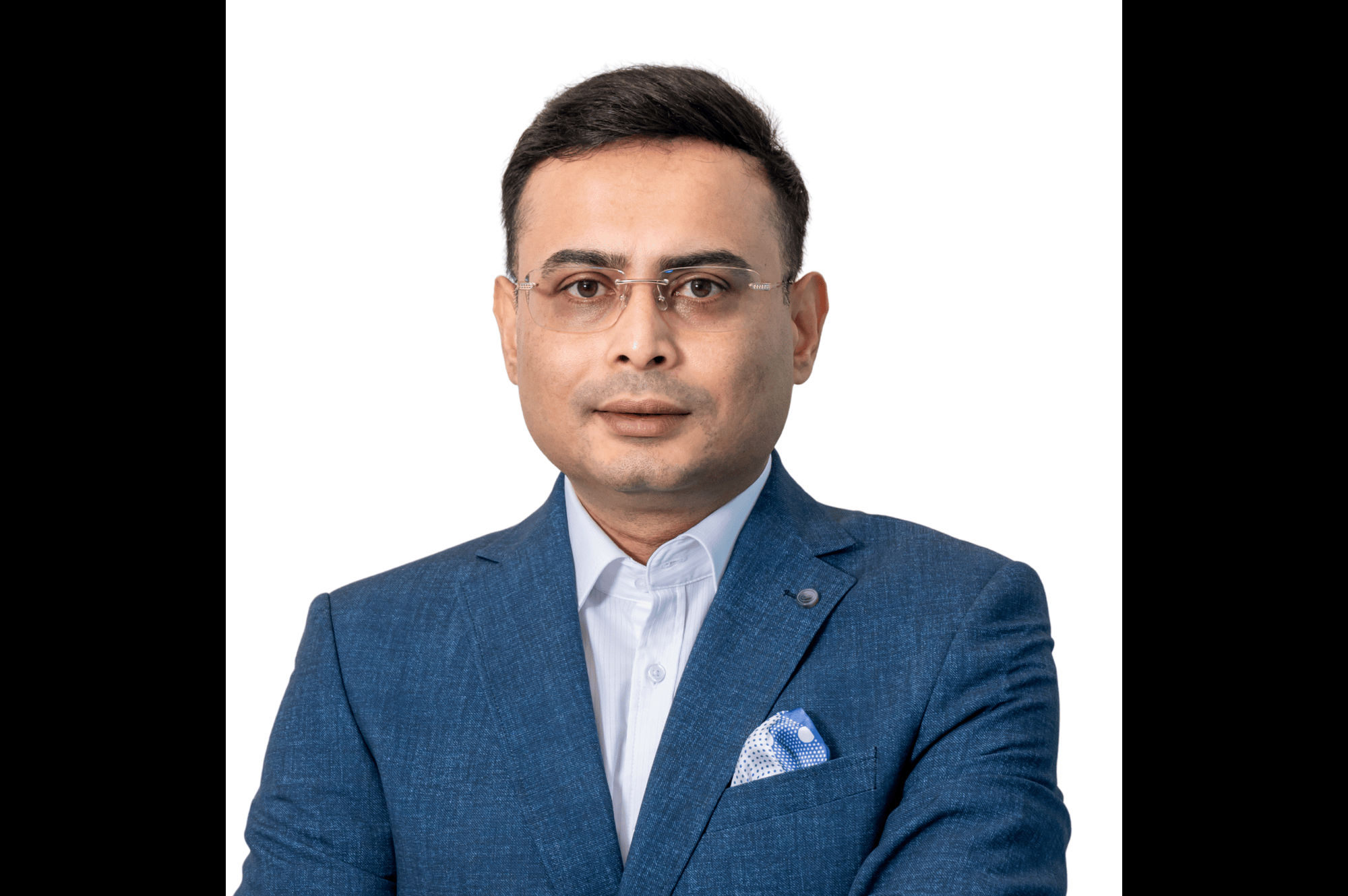
Interview: Shobit Rai, Co-Founder & Managing Director, Prozeal Green Energy

Prozeal has built a strong presence in solar EPC with over 900+ MWp order book across multiple states. What are the next big growth levers over the next 3–5 years?
900 megawatts provide a strong starting point, but it is not our end goal. To meet the demands of India’s project pipeline, we must continue to evolve. Our strategic priorities include integrated wind-solar hybrid-with storage EPC, which offers higher margins and requires engineering expertise that sets us apart from most competitors; operations and maintenance for India’s 70+ GW installed base, which is developing into a reliable source of recurring revenue; and targeted expansion into international markets such as Bangladesh, Kenya, and the Gulf, where Indian EPC firms are well regarded. The commodity solar installation sector faces persistent margin pressure. We are intentionally shifting our focus and investment toward more complex, higher-value opportunities.
With an ambitious target of 10 GW by 2030, what execution roadmap and capital strategy will underpin this scale-up, and to what extent will global markets contribute?
Our ten-gigawatt target for 2030 is based on rigorous analysis, not aspiration. With India’s annual tendering exceeding 50 GW, market demand is strong; our main challenges are execution capacity and financial strength. We are investing in modular delivery frameworks to reduce the mobilization-to-commissioning cycle by 20 to 25 per cent. For capital, we are expanding beyond traditional project finance into ECBs and green bonds aligned with SEBI’s evolving framework, aiming for a debt-to-equity ratio that maintains our investment-grade status as we grow. By 2028 to 2030, we expect international markets to contribute 15 to 20 per cent of our order book. We pursue markets where risk-adjusted returns justify the complexity, not for appearances.
Prozeal is expanding into BESS, green hydrogen, and wind-solar hybrid. Which segment drives the next wave of growth, and why?
Ranked by near-term commercial reality: wind-solar hybrid first, BESS second, green hydrogen third, and I will be direct about why. Wind-solar hybrid is already a current requirement. India’s grid is curtailment-constrained, and solar-wind complementarity solves a real problem today. BESS is transformative but costly, at Rs 3.5–4 crore per MWh installed. The ACC PLI scheme will significantly reduce this by 2026–27. Green hydrogen: the National Mission targets 5 MMT by 2030, but with electrolysers costs at USD 800–1,000 per kW, commercial viability at scale remains a post-2028 story. We are tracking it, not funding it prematurely.
What are the commercial and technological challenges in executing hybrid and storage-linked projects compared to traditional solar EPC?
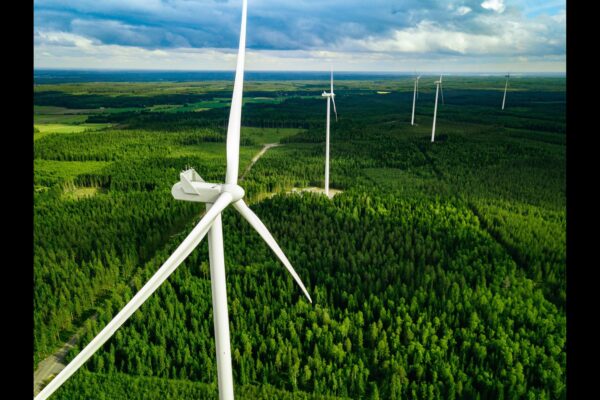
Wind-solar hybrid and storage projects are not solar projects with add-ons. They are fundamentally different engineering problems. BESS integration adds 20–30% to project capex, directly pressuring tariff competitiveness in an L1-driven procurement framework that undervalues reliability. The low-inertia grid challenge is real. Inverter-based systems replacing synchronous generators require grid-forming capability and sophisticated Energy Management Systems, skills that are scarce domestically. FDRE contracts impose strict availability obligations, creating genuine penalty exposure if integrated systems underperform. Dual-resource site acquisition, requiring both wind speeds above 6.5 m/s and GHI above 5.5 kWh/m²/day, is increasingly contested and expensive.
How effective have PLI schemes, ALMM, and direct access reforms been, and what further policy interventions are needed?
PLI has been genuinely effective: domestic module capacity expanded from under 10 GW in 2020 to 60+ GW nameplate today, reducing import dependence that peaked at 80% in 2021–22. ALMM’s intent is correct; execution has created bottlenecks because the approved list has not kept pace with capacity additions or technology evolution — that needs to change. GEOA reforms, lowering the threshold to 100 kW, are sound policy, but several state DISCOMs have erected procedural barriers through selective wheeling charges and slow connectivity approvals. What we need: a BESS-specific PLI program, green bonds that bring renewable financing below 8%, and transmission investment to clear 7+ GW of stranded completed capacity.
Solar EPC margins are under pressure due to competition and module price volatility. How is Prozeal managing profitability while maintaining execution quality?
Solar EPC margins have declined from 8–12% in 2018–19 to 4–6% today. Companies reporting higher margins either operate with a unique business model or lack transparency. Our strategy focuses on three areas. First, we use procurement intelligence to time bulk module purchases with market cycles. Framework agreements secure pricing 6–12 months in advance, improving margins by 80–150 basis points compared to spot procurement. Second, we are shifting toward BESS and hybrid projects, which offer stronger margins than standard solar. Third, our project management approach identifies cost variances at 40% project completion instead of at handover. Companies accepting projects at 3–4% EBITDA are likely to face warranty and quality issues within two to three years. We choose not to participate in that approach.
What are the key challenges facing the renewable energy sector in India?
Three challenges deserve honest naming. First, transmission: over 7 GW of commissioned renewable capacity is stranded due to grid evacuation constraints — CEA estimates that Rs 2.4 lakh crore in transmission investment will be needed by 2030, and we are behind. Second, DISCOM financial health: aggregate state utility losses stand at approximately Rs 6.5 lakh crore despite multiple restructuring rounds. These are our off-takers — their creditworthiness directly undermines long-term PPA confidence and project financing. Third, talent: India is targeting 300+ GW of new capacity by 2030, but its engineering workforce has not scaled proportionally, and specialist skills for BESS and grid-forming systems are genuinely scarce. These are solvable problems, but they require candor, not optimism.
How is Prozeal leveraging technology — AI, robotic cleaning, energy storage integration — to improve project efficiency and returns?
Technology adoption in Indian O&M has been reactive. A 100 MWp plant losing 1% efficiency annually to soiling forgoes Rs 35–40 lakh in revenue. Over 25 years, which is a material NPV impact. We deploy IoT-based modules and string-level monitoring that enables predictive maintenance, not just reactive response. For industrial rooftops with hydrocarbon and chemical deposits, standard water cleaning is inadequate. We use certified non-abrasive protocols that recover module transmittance without degrading anti-reflective coatings. For BESS assets, we conduct State of Health monitoring, thermal management supervision, and electrochemical impedance spectroscopy to detect early cell degradation. On AI, fault classification via drone imagery and predictive inverter maintenance are delivering measurable ROI today, not in three years.
Given the growing talent gap in renewable EPC, what strategies is Prozeal adopting to build a future-ready workforce?
The talent gap reflects a lack of industry foresight. We assumed general construction and electrical engineering skills would adapt to increasing complexity, but this approach is no longer effective. In response, we have established structured partnerships with engineering institutions. Instead of relying on passive recruitment, we co-develop curricula to ensure graduates are proficient in inverter architecture and grid codes. Our ISO 9001, 14001, and 45001 certifications require disciplined training, and each audit confirms that workforce competency is both documented and improving. Cross-functional programs in which civil teams learn electrical commissioning sequences have directly reduced interface errors on site. Regarding safety, the sector in India faces significant underreported occupational safety issues. We address this by conducting LOTO training, mock drills, and maintaining a near-miss reporting system that encourages the identification of unsafe conditions.
As India moves from standalone solar to integrated clean energy solutions, how will EPC evolve and where does Prozeal position itself?
The EPC business model is undergoing structural transformation. The solar EPC of 2016–2022 was fundamentally a procurement and civil execution business—commoditized, with margins that reflected that. The EPC business for 2025–2030 is a systems integration business: wind foundations, BESS balance-of-plant, electrolysers, civil interface, hybrid plant controllers, SCADA, and grid code compliance, which is still evolving. India’s 47 GWh BESS mandate by 2030 is creating a new EPC subsector. Firms that build this capability in the next 24 months will lead; those waiting for market maturity will find the learning curve expensive. Prozeal’s position is at the intersection of proven execution and next-generation technical capability. Our 10 GW target is not a volume statement — it is a statement about the company we intend to be.
Tags