From Workspaces to Ecosystems: The Transformation of Modern Office Developments

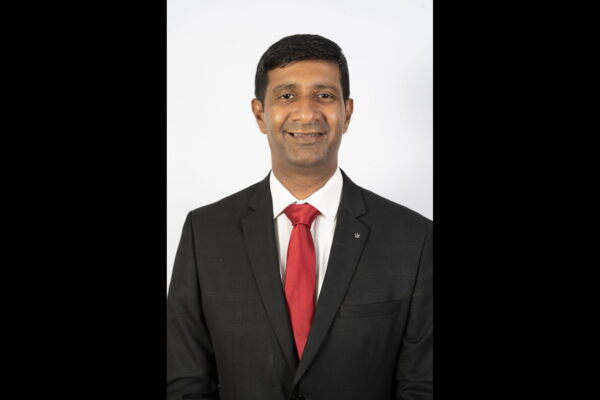
by Ashish Sharma, AVP Operations, Brahma Group
The role of the modern office is undergoing a significant transformation. What was once viewed primarily as a functional workplace is now evolving into a more integrated environment that combines work, lifestyle, technology, wellness, and community engagement. This shift is steadily reshaping the commercial real estate landscape, particularly in key business hubs such as Gurugram.
Changing workplace expectations, the rise of hybrid work models, and a stronger focus on employee experience have fundamentally altered how companies evaluate office spaces. Businesses today are no longer looking at offices solely through the lens of location and operational efficiency. Increasingly, the emphasis is on creating environments that can support collaboration, flexibility, employee engagement, and long term productivity.
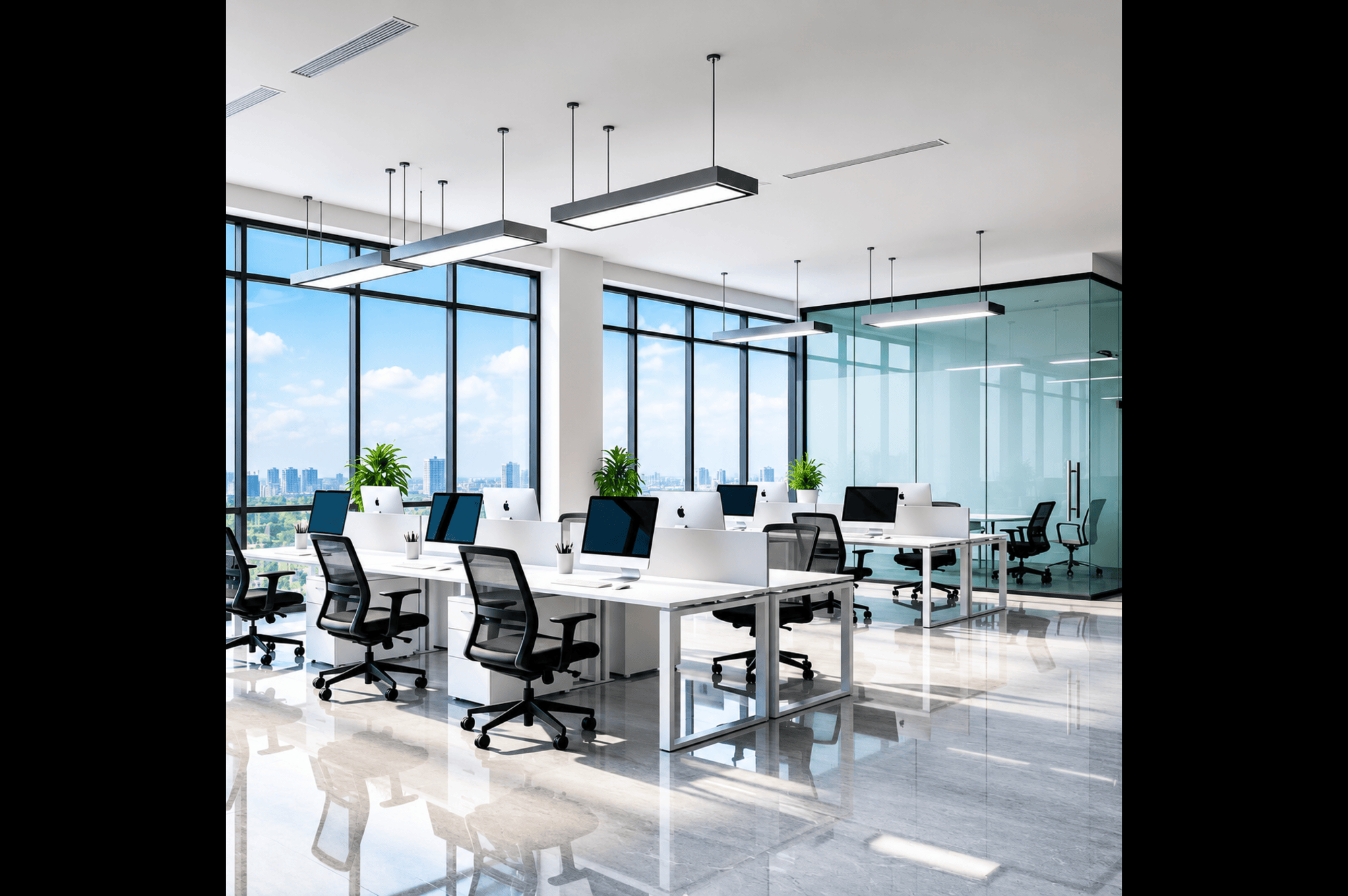
The purpose of the office itself has evolved considerably. Offices are no longer designed only for routine desk based work. Instead, they are emerging as spaces that encourage interaction, innovation, and team collaboration. In many ways, the office today is competing with the comfort and convenience of remote working, making workplace experience a central consideration for occupiers.
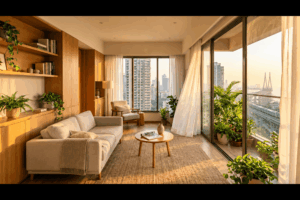
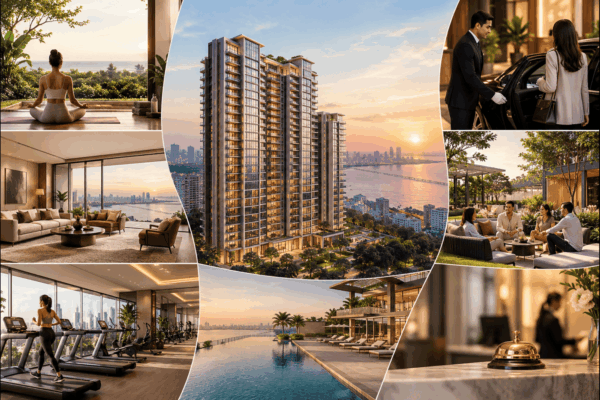
This changing dynamic is encouraging developers to move beyond conventional office formats. Large commercial developments are increasingly being planned as integrated ecosystems with curated amenities and experience driven infrastructure. Cafés, landscaped open spaces, wellness facilities, collaborative lounges, fitness centres, and recreational zones are becoming an essential part of premium office developments. The objective is to create workplaces that offer convenience and a more engaging environment for employees.
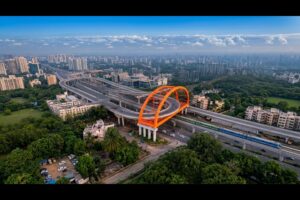
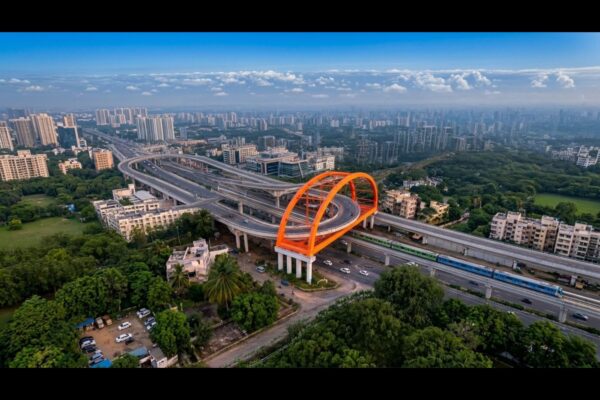
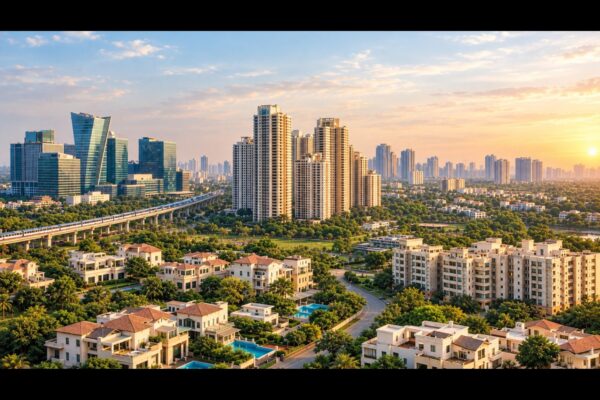
Gurugram has emerged as one of the strongest examples of this transformation. The city continues to witness sustained demand for premium Grade A office spaces from multinational corporations, technology firms, and Global Capability Centres. Companies are increasingly prioritising office environments that offer modern infrastructure, sustainability features, strong connectivity, and high quality employee experiences. This has accelerated the development of large-scale office campuses and mixed-use commercial projects across the city.
Occupiers are also consolidating operations into newer developments that offer better amenities, efficient layouts, and future ready infrastructure. As a result, older office assets lacking flexibility and modern features are gradually becoming less competitive in the market. The preference is clearly shifting towards developments that can provide a more comprehensive workplace experience.
Another notable trend is the growing integration of office spaces with retail, hospitality, and lifestyle components. Mixed use developments are increasingly becoming the preferred model, where office projects are planned alongside retail boulevards, hotels, serviced residences, entertainment zones, and public spaces. Such developments create vibrant business districts that remain active beyond office hours while improving convenience for employees and visitors alike.
Flexibility is also emerging as a defining characteristic of modern office developments. Managed workspaces and flexible office solutions are witnessing rising demand across sectors, including among large enterprises. Businesses are increasingly seeking scalable workplace solutions that can adapt to evolving workforce structures and business requirements. This has encouraged developers and workspace operators to adopt more service oriented approaches focused on user experience and operational agility.
Technology is playing an equally important role in shaping the future of office ecosystems. Smart infrastructure equipped with AI enabled systems, occupancy analytics, touchless access, and intelligent energy management solutions is becoming increasingly common across premium commercial developments. These technologies are helping improve operational efficiency while creating more seamless workplace experiences.
Sustainability has also become a core consideration in commercial real estate development. Green certified buildings, energy efficient systems, and wellness focused designs are increasingly influencing occupier decisions as companies align workplace strategies with broader environmental and governance priorities.
The future of office development is therefore being shaped by a larger transition from isolated workspaces to integrated ecosystems that support business growth, employee well-being, and long-term value creation. As workplace expectations continue to evolve, developers that can successfully combine functionality, flexibility, sustainability, and experience will remain at the forefront of Gurugram’s commercial real estate growth story.
Tags