As Corrosion Costs India ₹14 Lakh Crore Annually, Real Estate Turns to Stainless Steel Rebars

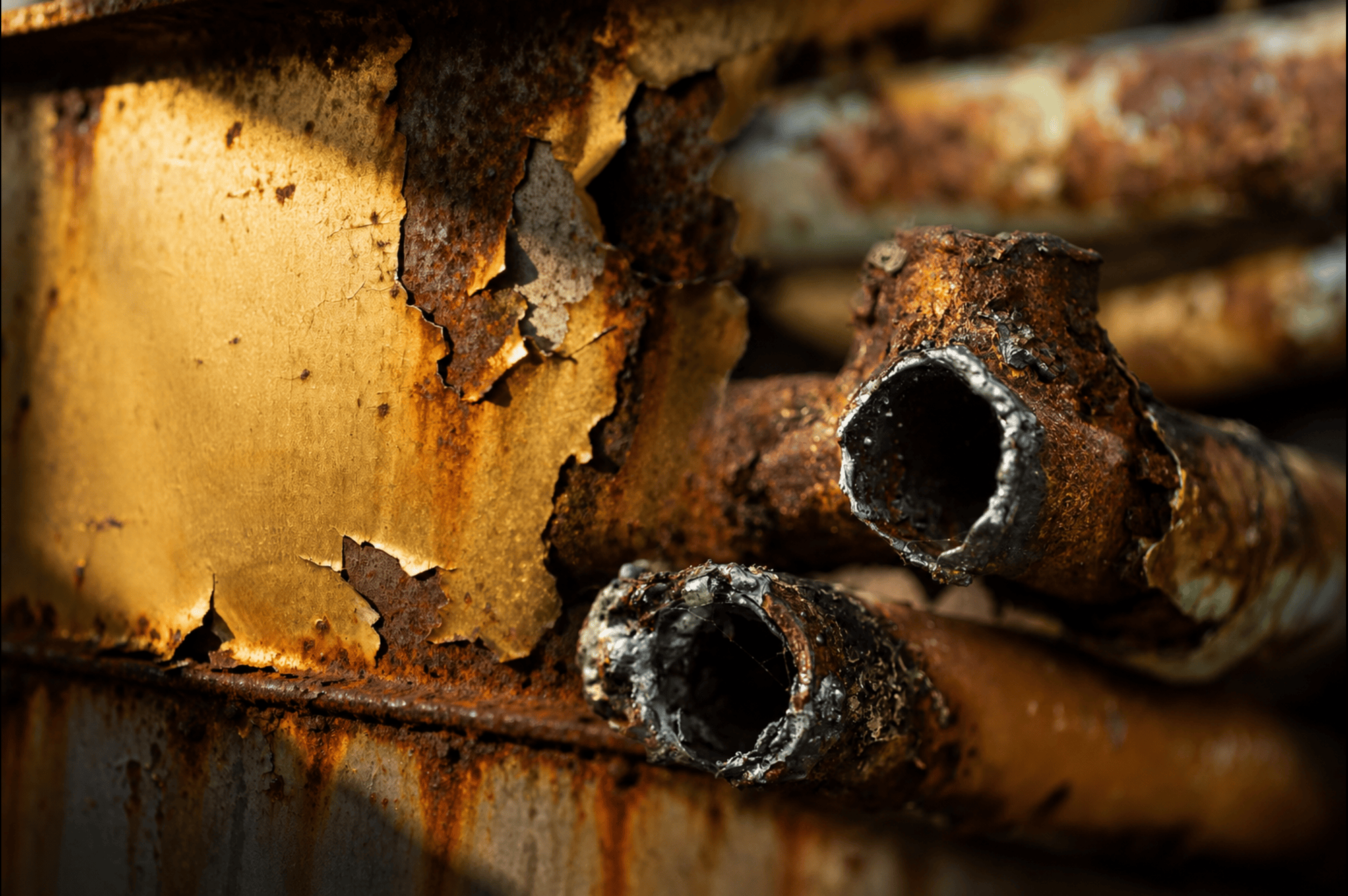
As per the latest report of Nomura, India is losing nearly ₹14 lakh crore annually or about 4.3% of its GDP due to corrosion. Though the report points out that corrosion has been largely affecting power generation and transmission, telecommunications, automotive and transportation infrastructure, it has also raised a question about the sustainability of India’s fast-growing real estate industry.
Stainless steel rebars are becoming a preferred option among developers because of their longevity, corrosion resistance, and low lifecycle costs. The trend indicates a transition from initial low investment to long-term benefits and less maintenance.
The report states that corrosion aggravates the wear and tear of assets, results in more expenditure on maintenance and repairs, impacts safety, and hampers productivity of the infrastructure. The report claims that improved corrosion protection could add up to 1.5% to India’s GDP in terms of the extended life of the asset and reduced lifecycle costs. For a nation that is expected to increase the number of homes and expand its urban infrastructure in the coming years, experts say that the need for durability in construction becomes imperative. This shift is already visible in the market, with Whiteland Corporation among the developers incorporating stainless steel rebars into its projects. This is an indication of the changing face of the construction industry towards life cycle-based construction. Collaboration between Whiteland Corporation and Jindal Stainless in The Westin Residences Gurugram is indeed a step forward towards the use of structural stainless steel in real estate.
Sudeep Bhatt, Director-Strategy, Whiteland Corporation said, “Today’s consumers demand homes built for longevity, focusing on structural strength, durability, and low maintenance rather than just surface aesthetics and convenience. Developers need to move beyond upfront costs and adopt construction materials and engineering practices that deliver superior lifecycle value. At Whiteland we have partnered with Jindal Stainless and incorporated stainless steel rebars in the diaphragm wall of our project, creating a stronger and more resilient foundation. This significantly enhances structural integrity while offering superior resistance to water ingress and corrosion, helping ensure long-term durability and performance. As the industry evolves, such future-ready construction practices will play an increasingly important role in creating resilient, high-quality developments that stand the test of time.”
Industry experts have indicated that this is facilitating a change towards the approach of lifecycle construction. This means that material selection is no longer based on just the initial cost but also the ability to contribute to structural longevity and low maintenance over a long period of time.
Rajamani Krishnamurti, President, Indian Stainless Steel Development Association (ISSDA)remarked, “The true cost of modern infrastructure lies in its longevity, not just its groundbreaking. Given India’s diverse and aggressive corrosive environments, material specification must be driven by rigorous environmental and metallurgical parameters rather than legacy choices. Deploying stainless steel rebars in critical structural assets drastically reduces not only the structural rehabilitation, but also lifecycle maintenance, ensuring uncompromised safety and protecting capital investments across India’s rapidly growing urban landscape.
“The conversation around construction is gradually moving beyond the initial cost of building to the long-term value of the asset. As homebuyers become more discerning, quality is increasingly being assessed not just through design and amenities, but also through durability, maintenance and how well a home performs over time. This is encouraging developers to look more closely at construction materials and practices that can improve the life of a project and reduce maintenance requirements. As the market matures, taking a longer-term view of construction will become increasingly important in creating homes that offer lasting value to buyers,” said Pallav Saxena, Chief Operating Officer – Project Management, Smartworld Developers.
Resilient construction is also in line with India’s sustainable development goals. Infrastructure that last long require less maintenance and replacements, resulting in efficient resource utilization.
While the Indian real estate industry keeps evolving, industry experts feel that the discussion needs to shift from building faster to building smarter. With lifecycle value becoming an important point of distinction, constructions that are resistant to corrosion will become a part of urban development in the coming years.
Tags