Why the 30-Minute City Is Becoming More Valuable Than the Central Business District

by Sarveshaa SB (SSB), Chairman & Managing Director, BHADRA Group
For decades, the central business district defined urban value. Proximity to offices, premium retail, institutions and social infrastructure made the city centre the natural destination for businesses and homebuyers. Bengaluru, however, is entering a new phase. As the city expands, connectivity improves and work patterns evolve, value is increasingly being shaped by time saved rather than distance travelled.
The Rise of the 30-Minute City
This is the rise of the 30-minute city: an urban model where homes, workplaces, education, healthcare, retail, leisure and transport can be accessed within a predictable half-hour journey. It is a powerful shift in how people evaluate residential locations and, increasingly, how developers should think about creating long-term value.
The significance of this model goes beyond convenience. Time has become a premium urban asset. A home that offers efficient access to multiple employment corridors, transit networks and everyday services can deliver a stronger quality of life than an address that is geographically central but less efficient to navigate.
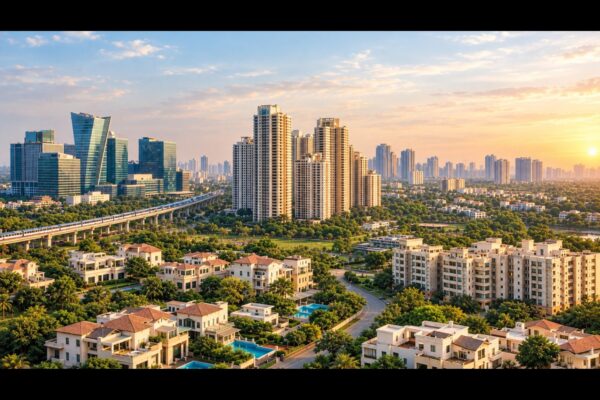
Bengaluru provides a compelling example. Its economic strength is distributed across multiple growth corridors, including the central business district, Whitefield, Electronic City, North Bengaluru and the emerging South-West Bengaluru. This decentralisation is creating several centres of economic activity rather than one dominant centre. Residential value is consequently becoming more closely linked to connectivity between these centres.
Connectivity Is Redefining Prime Locations
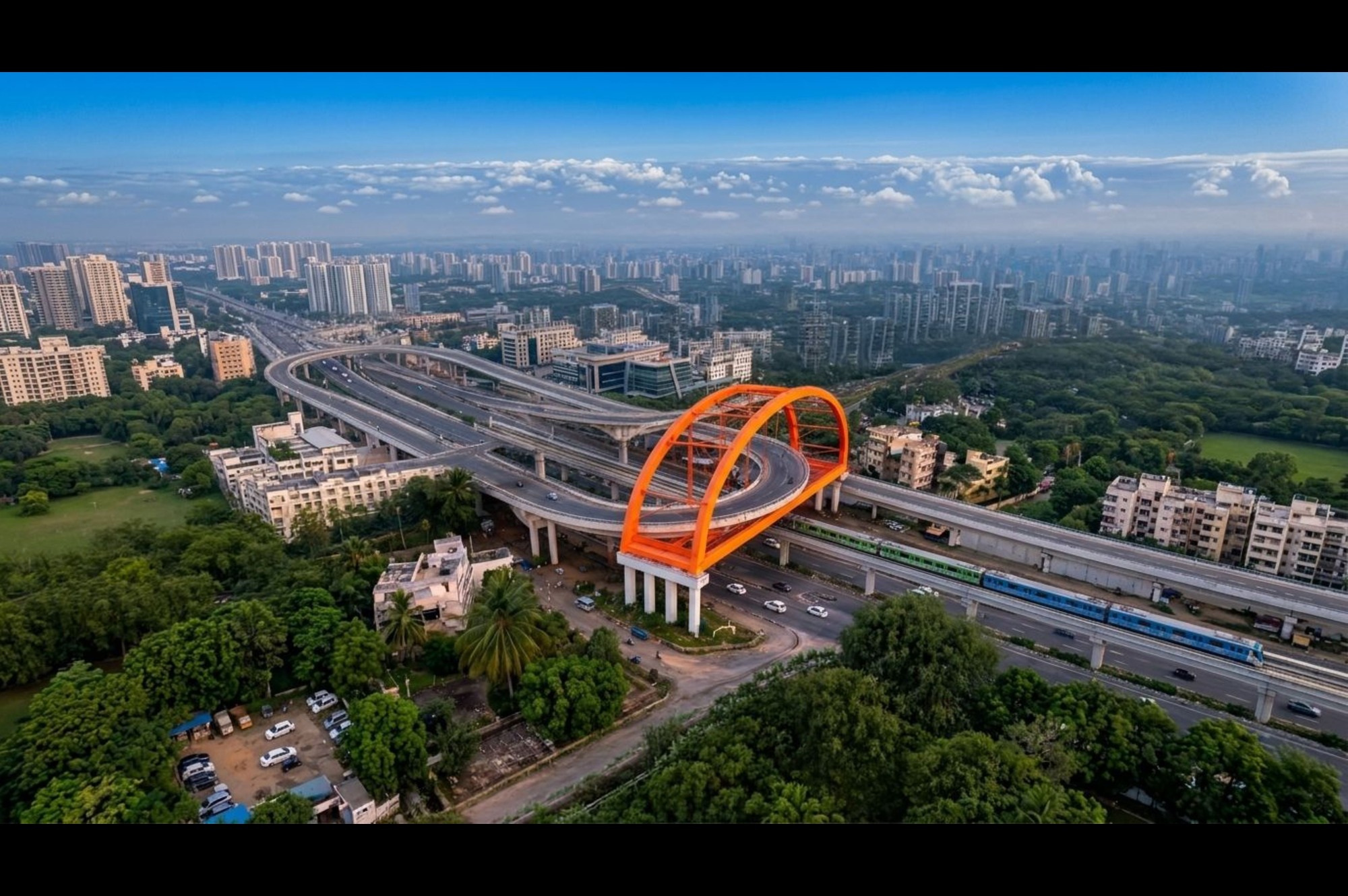
Infrastructure is accelerating this transition. Metro expansion, arterial roads, the Bengaluru–Mysuru Expressway and the NICE corridor are strengthening access across the city. The Purple Line has also enhanced the connectivity of South-West Bengaluru, opening new micro-markets around Kengeri and adjoining areas. Locations that were once viewed through the lens of distance from MG Road can now be assessed through journey time, multimodal access and proximity to employment and social infrastructure. This changes the definition of a prime location. Earlier, a premium address often meant being close to the CBD. Today, a premium address can mean being connected to several important destinations within a reliable travel window. That distinction matters for both end users and investors.
For homebuyers, the 30-minute city creates a more balanced lifestyle. Families can seek larger, greener homes without necessarily moving away from the opportunities of Bengaluru. Access to schools, hospitals, shopping, recreation and workplaces becomes part of the residential proposition. The value of the home therefore extends beyond its walls to the network around it. For investors, the same principle creates a broader framework for evaluating appreciation. Infrastructure-led connectivity can stimulate commercial activity, employment, rental demand and social infrastructure. As these elements reinforce each other, previously emerging locations can develop into established urban destinations. The strongest opportunities may therefore emerge where connectivity arrives before the market fully prices it in.
This is particularly relevant in South-West Bengaluru. Kengeri sits at the intersection of multiple mobility advantages, with metro connectivity, the NICE Expressway and the Bengaluru–Mysuru Expressway providing access towards different parts of the metropolitan region. Its relationship with the city centre is increasingly defined by travel efficiency. A journey of around 30 minutes to MG Road, depending on traffic and mode, gives the location a different strategic relevance.
From Address-Led Development to Urban Ecosystems
The larger lesson is that Bengaluru’s next phase of growth will be measured through networks rather than boundaries. The city is becoming a connected urban ecosystem in which mobility, employment, housing and social infrastructure reinforce one another. This is also changing the responsibility of real estate developers.
The future developer must think beyond the plot. Project planning needs to consider access, liveability, open spaces, amenities, sustainability and the surrounding infrastructure ecosystem. A residence becomes more valuable when it integrates with the city’s movement patterns and supports the daily needs of its residents. This is where design and location begin to converge. A well-designed home in a well-connected micro-market can create value through both the quality of the residence and the efficiency of the urban network around it. Premium development is therefore evolving from an address-led proposition to an experience-led proposition.
Bengaluru’s growth story makes this transition especially significant. Its technology economy, entrepreneurial culture, talent base and expanding infrastructure continue to attract people and businesses. As growth spreads across multiple corridors, the city gains resilience through a wider distribution of economic and residential activity. New urban centres can complement the CBD rather than simply compete with it. In this environment, connectivity becomes a form of urban capital. It strengthens liveability, supports demand and gives emerging corridors the confidence to mature into enduring destinations over time.
The central business district will continue to hold cultural, commercial and institutional importance. Yet its role as the sole benchmark for urban value is evolving. The future belongs to locations that combine connectivity, community, convenience and quality of life.
The 30-minute city captures this evolution in a simple idea: the most valuable address may increasingly be the one that gives people more of their time back. In Bengaluru, that principle is already reshaping the geography of opportunity. For developers, investors and homebuyers, understanding this shift early will be central to recognising where the city’s next generation of value will emerge.