Designing for the Discerning: The Convergence of Wellness, Hospitality and Architecture

by Vamsi Sai, CEO, Himalia Prime Assets
India’s luxury residential real estate market, valued at over $44 billion, has been projected to grow at a CAGR of 20.1% until 20351. As the luxury housing segment in the country scales and explodes, luxury homes are no longer just about prime addresses, spacious apartments, or imported materials or finishes. Today, luxury real estate is more about the experience, about how a home makes its residents feel every day. And that shift is quietly bringing together three disciplines or themes which, not too long ago, used to operate independently: wellness, hospitality and architecture, and the convergence of these areas is shaping the next generation of premium residential developments.
Wellness and Hospitality Move into the Residential Envelope, and Architecture Ties Them Together
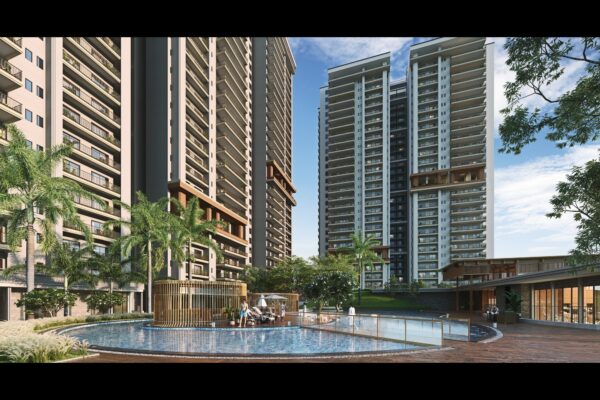
Over the past few years, the Indian luxury homebuyer profile has become more aspirational, and has expanded to include HNIs and UHNIs, affluent NRI investors, entrepreneurs, celebrities and globally-mobile professionals, who benchmark Indian homes against global standards. The majority of these luxury property buyers are well-travelled and design-aware, and expect their homes to mirror the look and feel, sophistication and ethos of world-class boutique hotels and resorts. Unsurprisingly, therefore, wellness and hospitality are, of late, having a defining influence on India’s luxury housing.
For decades in the past, wellness in a residential project would mean a gym or a Yoga room within the amenity list; but today, as buyers increasingly treat the home as an integral part of their everyday lifestyle and well-being, and as a force multiplier for elevating the quality of life, modern residences have transitioned to holistic wellness ecosystems. Developers and real estate firms are integrating wellness and sustainability into the very fabric of residential planning and design; resultantly, biophilic design and green spaces’ integration, air purification systems, use of low-VOC construction materials, generous ventilation and natural light, low-density breathable communities, open and pollution-free spaces, etc. are being prioritized.
Doubling down on experiential living and the wellness-led philosophy, hospitality-inspired operations, features, and superlative services and amenities are also becoming mainstream across contemporary luxury housing, and the ‘hotelization’ of residential realty is increasingly visible. This includes the obvious hospitality-grade services and offerings layer – concierge, meticulous maintenance and housekeeping, food and beverage options, wellness programming, visitor management, personalized attention for residents, and so on, but is, in recent years, transcending beyond.
Taking the hospitality playbook in high-end real estate to new heights, many Indian realty players are now partnering with international brands, architects, and hospitality experts to design and develop thoughtfully-curated clubhouses and built environments that reflect not just status, but long-term relevance and experiential value. With experiences previously associated to premium hospitality destinations, such as attentive service and wellness-focused environments making their way into Indian luxury homes, branded residences are representing the clearest expression of this shift. India’s fast-growing branded residences market, ranked sixth in the world2, continues to expand; and modern branded and managed residences are offering homeowners opportunities to enjoy a convenient lifestyle along with unparalleled services, exclusive privileges, and asset optimization potential.
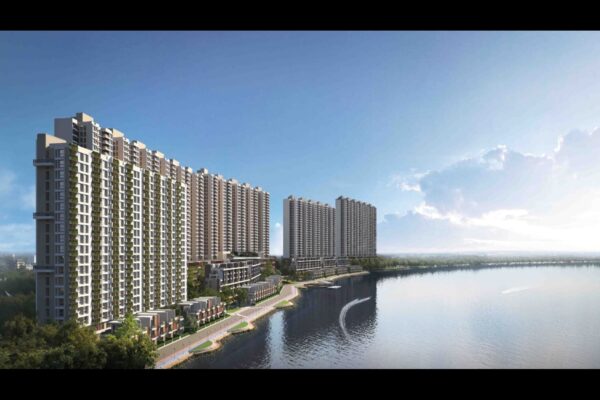
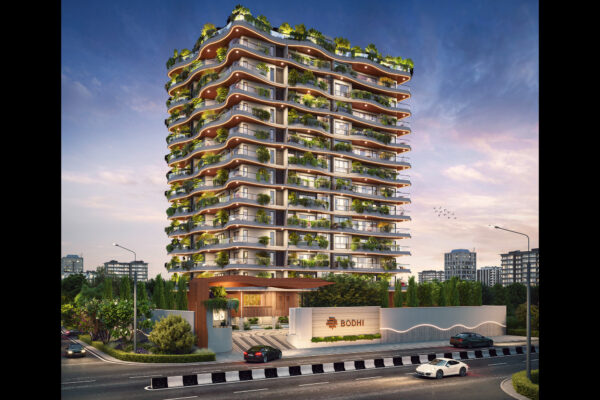
However, wellness needs the right architecture to become more than an amenity add-on; hospitality integration, too, requires optimal, well-thought-out architecture in order to make the services and experience feel effortless, not staged. Architecture itself is evolving to support and accommodate the growing demand for wellness and hospitality-oriented living from the outset; and to that end, architecture that preserves local heritage and coexists with nature rather than competing against it, is gaining traction.
Thoughtful architecture encourages people to walk short distances, reduces stress, and helps residents become more engaged, inspired and socially active. At the same time, modern architectural trends and patterns influenced by hospitality have been proven to uplift mood, enhance health and happiness and to create memorable living experiences. In new-age residential projects, architecture and master planning are playing a pivotal role in terms of assisting real estate players to derive the best of both hospitality and wellness, while parallelly reflecting master craftsmanship and opulence.
Concluding Thoughts
When architecture respects nature and market priorities, hospitality becomes an inseparable philosophy of living, and when wellness gets woven into everyday experiences, homes start to offer something far more meaningful than luxury – they present a better way to live. As Indian luxury housing sector matures and enters a more discerning phase, its next chapter will belong to those who recognize that the finest homes are created to nurture, restore and remain relevant for generations.
Tags