Green Living and Smart Planning Fuel Panchkula’s Housing Growth

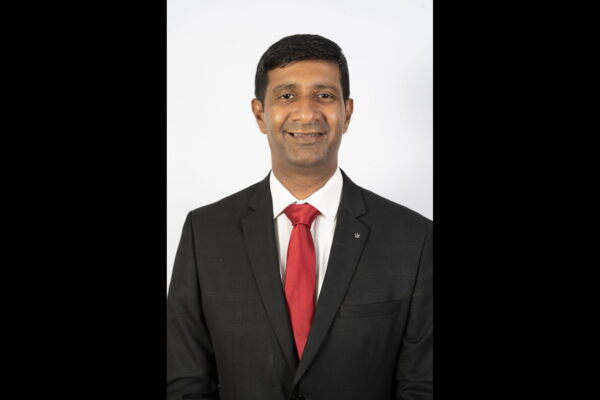
by Parvinder Singh, CEO, Trident Realty
For many years now, Panchkula has been in a quietly unique space within the Chandigarh Tricity. While Chandigarh has long been known for its Le Corbusier-designed grid and Mohali has steadily carved out its position as the region’s business and IT hub, Panchkula has evolved a unique identity that neither city can mimic – a rare blend of modern civic infrastructure and natural environment. Today, as homebuyers across India increasingly seek quality of life over proximity to employment hubs, Panchkula’s vast green cover, low-density development and well-planned urban layout are becoming defining strengths. This evolution is in line with the bigger evolution in India’s residential real estate space. Modern buyers are more conscious of well-being and sustainability. They are embracing communities that not only promise a healthier lifestyle but also provide dependable infrastructure and lasting value, offering more than mere houses. Against this backdrop, Panchkula is fast becoming one of North India’s most sought-after residential destinations.
Planned Growth Aligned with New Buyer Priorities
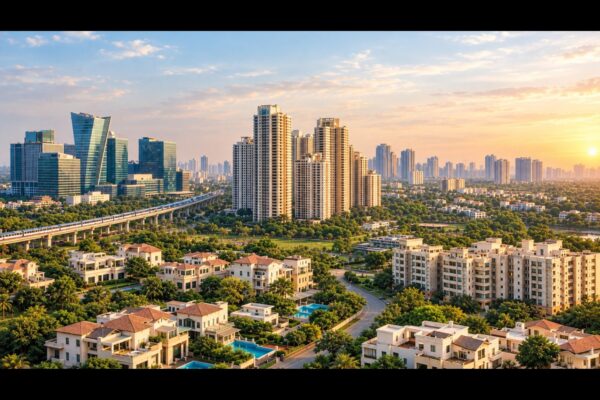
Panchkula was conceived as a planned satellite extension of Chandigarh, and follows the same sector-based planning philosophy, with wide roads, neighbourhood parks, local markets and well-located civic amenities. Unlike many rapidly urbanising cities where infrastructure has struggled to keep pace with development, Panchkula has largely preserved its original planning ethos. The result is an organised, low-density urban environment that continues to stand apart within the Tricity region.
Across India, buyer preferences are changing. The residential market has moved into a value-driven stage, with buyers increasingly choosing larger homes and premium living environments, according to ANAROCK’s Homebuyer Sentiment Survey H1 2025. The emphasis has moved from affordability to neighbourhood quality, community infrastructure and overall liveability.
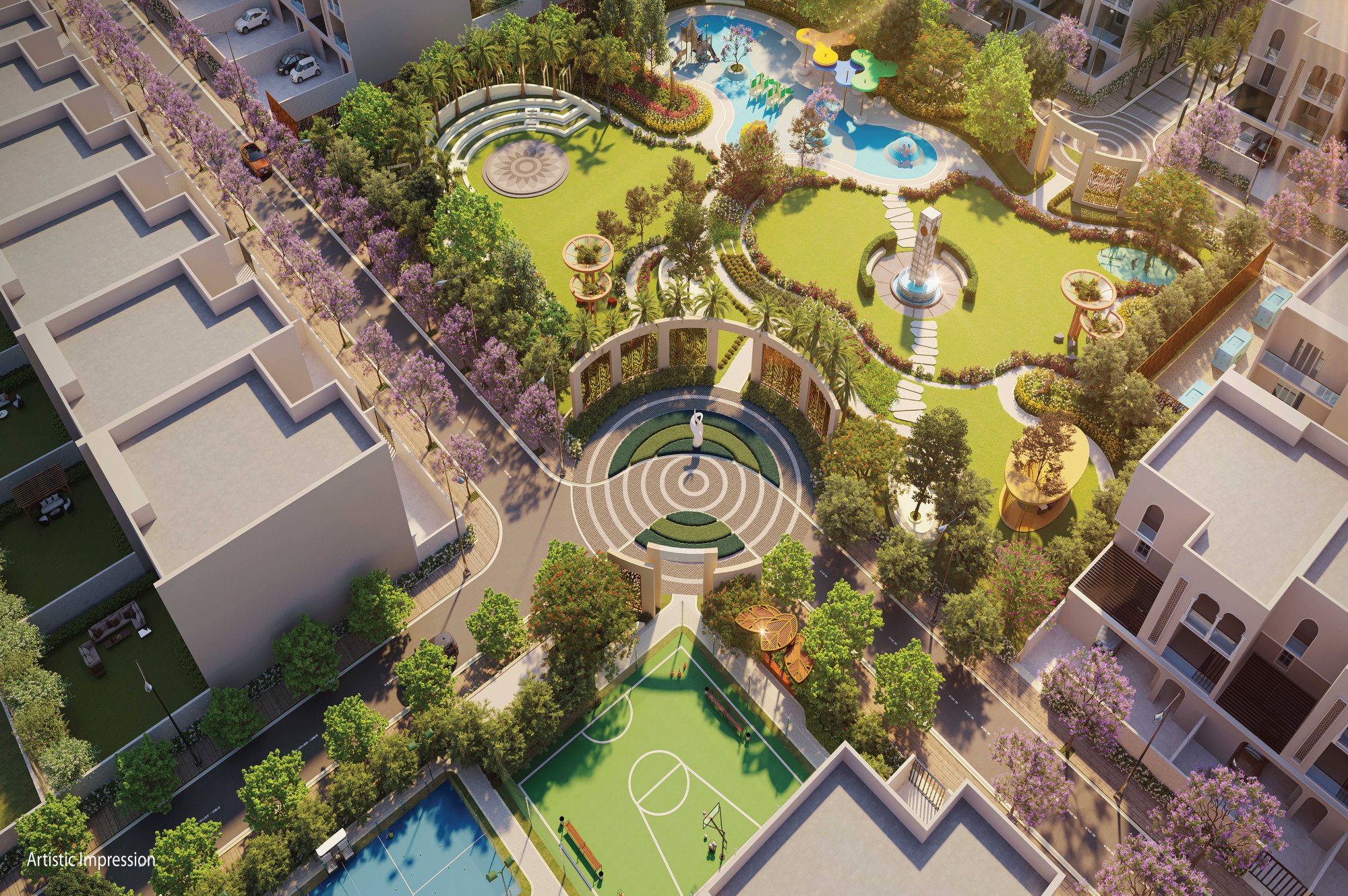
This changing mindset strongly favours Panchkula. The city’s tree-lined avenues, large parks, lower built density, and proximity to the Shivalik Hills provide a living environment that is increasingly rare in larger urban centres. Green spaces are no longer viewed as aesthetic additions; they are recognised as essential urban infrastructure that supports physical wellbeing, mental health and stronger community interaction.
Homebuyers are increasingly opting for integrated townships, community-centric developments, and projects that combine open spaces, wellness amenities, and sustainable planning. Panchkula naturally fits into this trend – not because these features are new, but because they have always been integral to the city’s planning framework.
Green Living and Infrastructure Drive Long-term Demand
The city’s rising appeal can be gauged through its market performance. According to ANAROCK, residential property prices in Panchkula have appreciated by 20-24 per cent during 2019-2024, driven by sustained infrastructure investment and rising end-user demand. Unlike markets driven primarily by speculative activity, Panchkula continues to draw families, professionals and retirees seeking homes that provide connectivity with a superior quality of life.
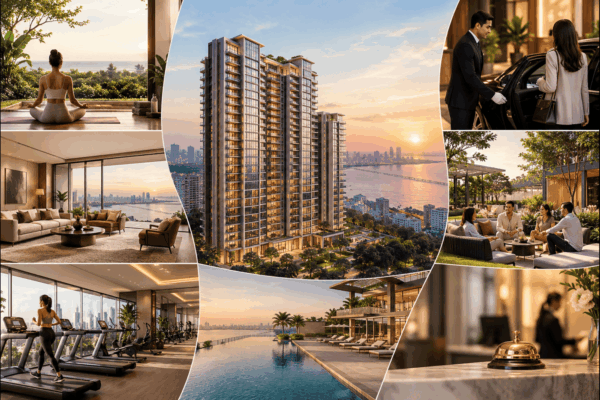
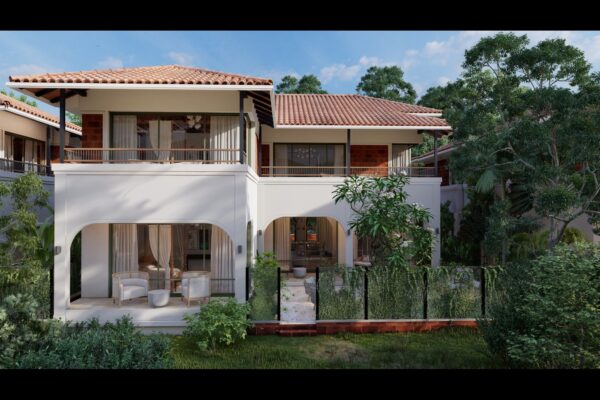
Developer confidence has also followed suit. Leading realty companies have announced large-scale residential and township developments in and around Panchkula. Their presence has brought better standards of urban design: homes with room to breathe, designs that offer a sense of privacy, and residential experiences that feel closer to a retreat than a conventional apartment complex. The result is a new generation of township developments that are raising the bar for planned living in the region.
The policy environment is working in Panchkula’s favour. In its Master Plan 2031, HSVP has earmarked 47 new sectors – 34 residential and 13 commercial – to absorb rising housing demand, build civic infrastructure and reduce dependence on Chandigarh. A land-pooling model will keep expansion organised and speed up delivery.
Connectivity has improved tremendously. NH-7 and Ambala-Chandigarh Expressway provide seamless access to Chandigarh International Airport, Mohali’s IT corridor and major commercial centres across Tricity. The pending metro extension will further deepen this, making the city more accessible for residents and investors alike.
Wellness-oriented living has now become a mainstream priority for homebuyers, and Panchkula is well-positioned to deliver. Colliers India’s 2026 real estate outlook highlights sustainability, smart living and wellness as central to purchase decisions, with buyers actively seeking open spaces, walkable neighbourhoods and environmentally sensitive planning. Panchkula already offers all of this, without needing to engineer it from scratch.
On pricing, the city offers larger homes and integrated developments at price points that remain more accessible than comparable Chandigarh neighbourhoods. For end-users and high-net-worth buyers seeking space, green surroundings and organised infrastructure, Panchkula presents a strong and straightforward case.
The Way Forward
The growing residential stature of Panchkula is a confluence of changing buyer expectations and the city’s established planning ethos. The green spaces are not cosmetic additions but are intrinsic to its urban design. The organised sectors, civic infrastructure, and lower-density development are not marketing promises but enduring traits that have defined the city for decades.
Panchkula is a city where thoughtful planning and environmental stewardship have created a residential ecosystem that feels both contemporary and enduring, as Indian homebuyers increasingly define value through wellness, sustainability and everyday quality of life. In an increasingly crowded urban landscape, it offers something that has become remarkably scarce: the chance to live amidst nature without compromising on urban convenience.
Tags