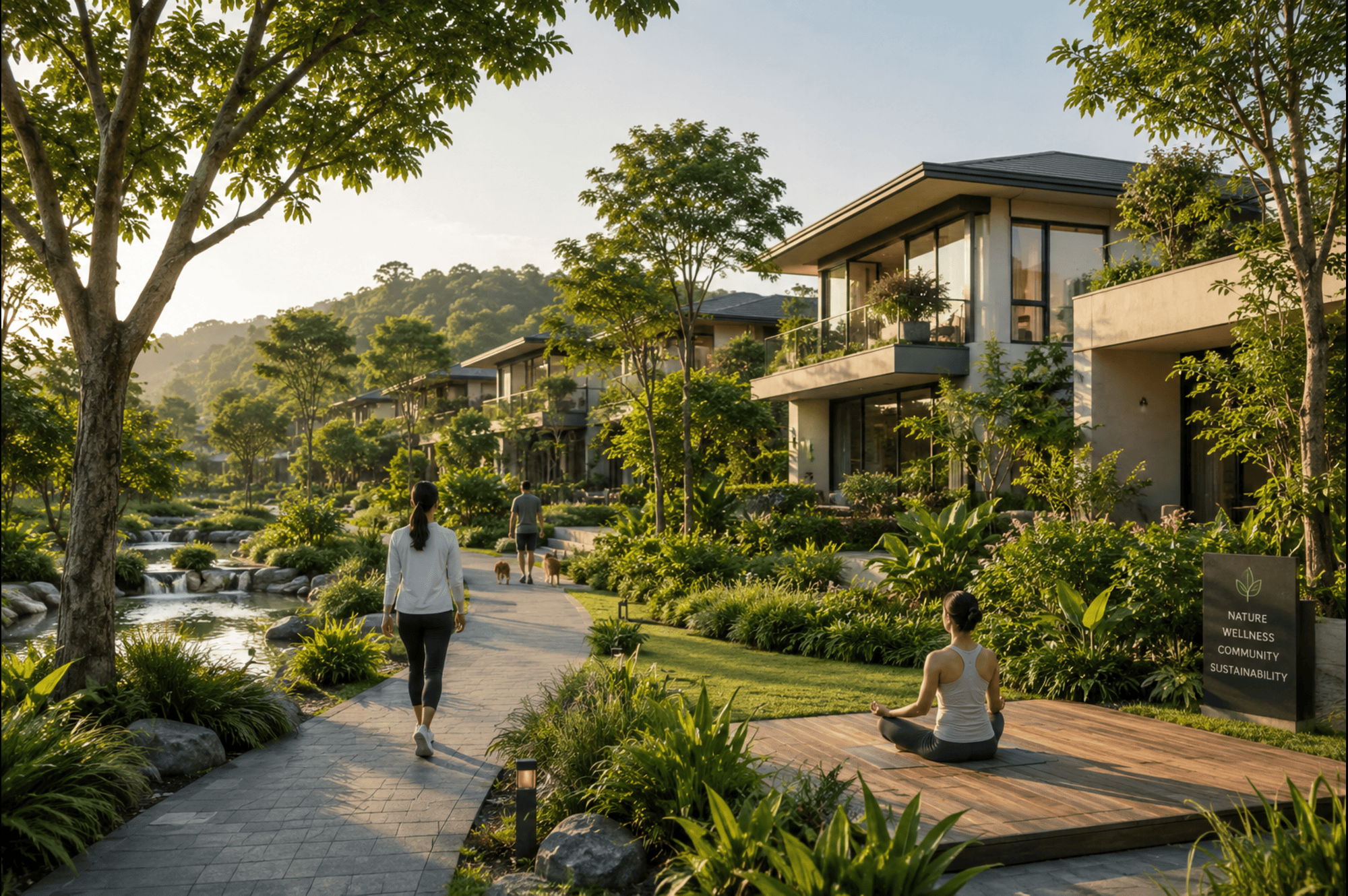
Wellness-Led Living: The New Direction of Luxury Residential Real Estate in India

by Vamsi Sai, CEO, Himalia Prime Assets
The definition of luxury in residential real estate is evolving. For years, premium housing was largely associated with larger homes, exclusive addresses and high-end amenities. Today, however, homebuyers are looking beyond conventional markers of status. Increasingly, they are seeking environments that promote wellbeing, foster a connection with nature and offer a more balanced way of life.
This shift is driving the emergence of wellness-led residential communities across India. What was once considered a niche concept is rapidly becoming a mainstream expectation among affluent homebuyers, particularly those seeking long-term value, healthier lifestyles and a deeper sense of belonging.
Several factors are contributing to this transformation. The pandemic fundamentally altered how people perceive their homes, turning them into spaces for work, recreation, wellness and family life. At the same time, growing awareness around climate change, environmental sustainability and mental health has encouraged buyers to evaluate residential developments through a broader lens. Today, the quality of life offered by a community is often as important as its location.
The Rise of Managed Wellness Residences
A significant trend emerging from this transformation is the concept of Managed Wellness Residences—nature-led communities that bring together thoughtful design, hospitality-inspired services, holistic wellbeing and long-term environmental stewardship.
Unlike traditional residential projects where wellness is often limited to a gym, clubhouse or landscaped garden, these communities approach wellness as a design principle. Every aspect of planning is intended to improve how residents live, move, interact and engage with their surroundings on a daily basis.
This philosophy is driven by an increasingly relevant belief, Homes of the future must do more than provide shelter. They must enhance physical, mental and emotional wellbeing while respecting the environment in which they are built. As buyers become more conscious of lifestyle quality, this approach is gaining strong traction across premium residential markets.
Designing with Nature, Not Around It
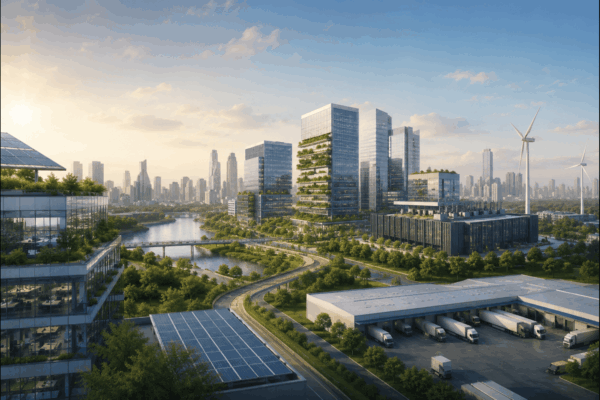
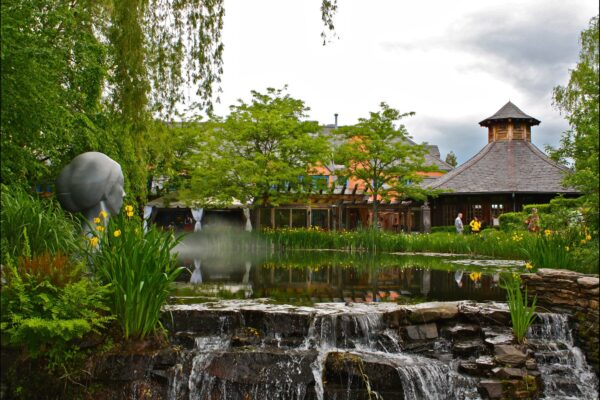
One of the defining characteristics of wellness-led communities is a conscious move towards low-density development. Instead of reshaping landscapes to maximise construction potential, developers are increasingly preserving natural contours, mature trees and open spaces. The goal is to create environments where architecture coexists with nature rather than competing against it.
Homes are positioned to maximise privacy, natural views and access to green spaces, while pedestrian pathways and landscaped corridors encourage residents to spend more time outdoors. This planning approach recognises that nature is not merely an amenity. It is a fundamental contributor to wellbeing and quality of life.
Sustainability as Core Infrastructure
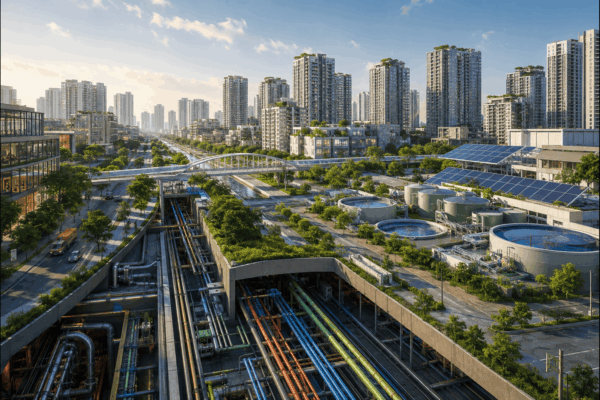
Perhaps the most important shift is the industry’s growing recognition that sustainability cannot be treated as an add-on feature. Increasingly, residential communities are integrating solar energy systems, rainwater harvesting, greywater recycling and native landscaping as part of their core infrastructure. Such measures reduce resource consumption, support biodiversity and improve the long-term resilience of developments.
The landscape itself is also being reimagined. Walking trails, medicinal gardens, edible landscapes and native planting strategies are creating opportunities for residents to reconnect with nature through everyday experiences rather than occasional activities. These initiatives reflect a broader understanding that environmental stewardship and community wellbeing are deeply interconnected.
The future of luxury housing in India is likely to be shaped by a simple yet powerful philosophy: Build less. Preserve more. Design thoughtfully. Operate responsibly. As climate resilience, sustainability and wellness become increasingly important considerations for homebuyers, the industry has an opportunity to create communities that deliver value far beyond physical infrastructure.
The next generation of residential developments will not be defined solely by architecture or amenities. They will be defined by their ability to foster healthier lifestyles, strengthen connections with nature and create environments where people can thrive over the long term. In that sense, wellness-led living is not simply an emerging trend—it represents the future direction of luxury residential real estate in India.
Tags