Navigating Rising Costs, Timelines and Execution Complexities

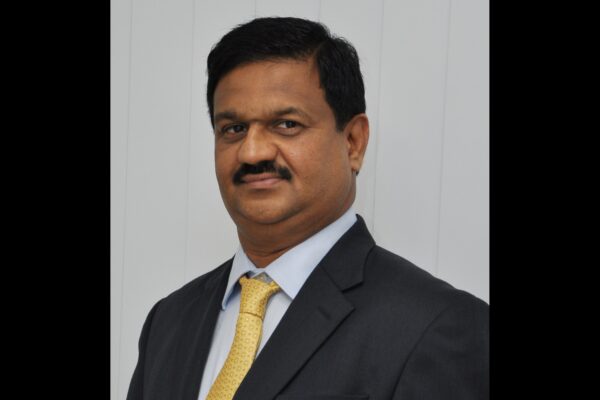
by Pankaj Sharma, Director, Supreme Infrastructure India
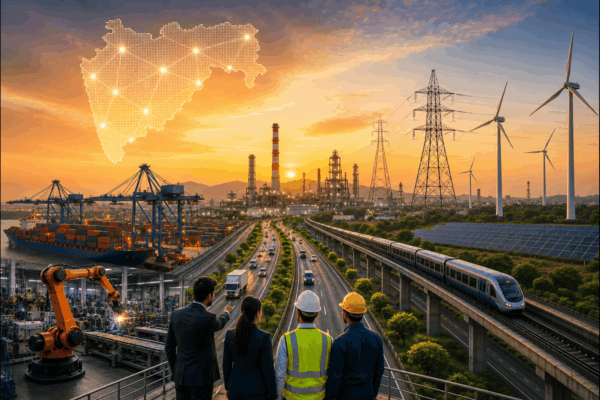
India’s infrastructure sector is going through one of its most ambitious phases. Large- scale projects are reshaping mobility, economic growth, and urban planning, especially in cities like Mumbai, Thane, and Navi Mumbai. Metro networks, coastal roads, multimodal transport systems, new corridors, bridges, and logistics infrastructure are expanding to support the growing population.
The Mumbai Metropolitan Region (MMR) is witnessing infrastructure investments running into several lakh crore rupees. The New Airoli – Katai Naka corridor between Thane and Navi Mumbai are expected to reduce commute times by nearly 40 minutes in some stretches. Residential demand in Navi Mumbai has reportedly risen by over 44 per cent in areas benefiting from improved connectivity and upcoming infrastructure projects. Discussions around water metro systems and integrated urban mobility solutions also reflect how Indian cities are beginning to think differently about future transportation.
This scale of development is creating major opportunities for the EPC (engineering, procurement, and construction) and infrastructure sector. At the same time, it is also exposing the industry to rising costs, tighter timelines, and complex execution challenges.
Rising Costs & Budgeting Pressures
One of the biggest concerns for infrastructure companies today is cost volatility. Over the last few years, fluctuations in steel, cement, fuel, and logistics costs have added pressure on infrastructure project budgets. Fuel and freight costs for cement companies are expected to rise by 10–12 per cent, while operating margins could shrink by 150–200 basis points because of higher energy and transportation expenses.
Since most infrastructure projects span several years, a sudden rise in material prices can place enormous pressure on project economics and working capital. However, in fixed-price or turnkey contracts, this becomes a challenge because companies have limited room to absorb escalating costs. And, delays increase the burden of machinery, labour, and financing costs.
Supply chain issues delay raw materials, long-lead equipment, imported components, and specialised engineering systems, among others, thereby affecting the entire project schedule, including procurement, construction, and commissioning timelines. Engaging procurement teams and key vendors during the Front-End Engineering Design (FEED) phase helps lock in prices and map out delivery timelines.
As a result, infrastructure companies are becoming far more cautious and disciplined in how projects are planned and executed. Procurement teams are being involved earlier in the process, supplier relationships are becoming more strategic and greater emphasis is being placed on forecasting and risk management rather than reactive decision-making.
Timeline Management & Schedule Slippage
India’s infrastructure push is happening at a time when expectations around speed have increased sharply. Governments want projects delivered faster. Businesses expect better connectivity sooner. Citizens expect visible improvements in daily commute and urban mobility. However, rising congestion, pressure on existing infrastructure, and rapid urban expansion are making execution far more challenging on the ground. There is also growing focus on how infrastructure improves daily life, sustainability and long-term urban planning rather than only adding scale and capacity.
Land acquisition, environmental approvals, utility shifting, and regulatory clearances continue to slow project progress in many cases. In a land crunched, dense town like Mumbai, it’s crucial to execute infrastructure projects without impacting the operations of existing roads, railway lines, and public systems. Therefore, phased construction planning and continuous communication with multiple stakeholders become important.
Project Complexities & Execution Risk
Modern infrastructure projects are no longer limited to roads and bridges alone. Today’s urban infrastructure involves integrated mobility systems, elevated transport corridors, marine infrastructure, digital traffic systems, multimodal transport hubs, and smart connectivity networks. Multiple contractors, consultants, government agencies, and technical partners are often involved in the same project. This has made coordination far more demanding than before.
Vague initial project scopes and inadequate detailing in the Detailed Project Report (DPR) often result in frequent, costly change orders that derail original project budgets. Moreover, coordinating a global web of tier-one and tier-two vendors with varying levels of process maturity makes quality control, timeline tracking, and communication difficult.
Projects must have strong planning systems, real-time monitoring, and seamless coordination between procurement, design and on-ground execution teams. Therefore, to manage this, many infrastructure companies are adopting digital project tracking systems, Building Information Modeling (BIM), Oracle Primavera P6, and integrated monitoring platforms, which help improve visibility across execution stages.
These systems help teams spot delays at an earlier stage and improve coordination across different stages of a project. But technology alone is not enough as infrastructure projects still depend on execution, experience, planning, and the ability to manage on-ground problems.
Skilled Workforce and Financial Discipline Matter More Than Ever
Manpower shortage is a major issue in the infrastructure sector. Large projects need experienced engineers, technical teams and project managers to keep execution running smoothly. This is making companies invest more in training, planning and stronger execution processes. Teams today often have to deal with technical issues, approval delays and on-site disruptions while ensuring work continues without major setbacks. Financial discipline is equally important. In a competitive market, aggressive bidding and unrealistic timelines can create problems later during execution. Because of this, many companies are focusing on steady and sustainable growth.
Building for the Long Term
Infrastructure today is not only about completing projects quickly. It is about building systems that remain useful for years. There is growing recognition that infrastructure must support economic growth, urban expansion and future mobility together. Better connectivity is already influencing housing demand, business activity and industrial growth across regions around Mumbai and Navi Mumbai.
This is also changing how infrastructure companies see their role. The focus today is on delivering complete construction solutions while building infrastructure that is practical, efficient and future-ready. Many companies are placing greater emphasis on execution quality, faster delivery, responsible use of resources and long-term capability building. At a time when costs remain unpredictable and timelines are becoming tighter, these priorities are becoming important for long-term growth.
The Road Ahead
India’s infrastructure sector is expected to see continued growth in the coming years, with investments across transport, logistics, urban mobility and industrial infrastructure creating new opportunities for the EPC industry. At the same time, challenges around rising costs, tight timelines and complex execution are likely to continue.As cities continue to expand, delivering projects on time and managing challenges efficiently will remain important for the country’s growth.
Tags