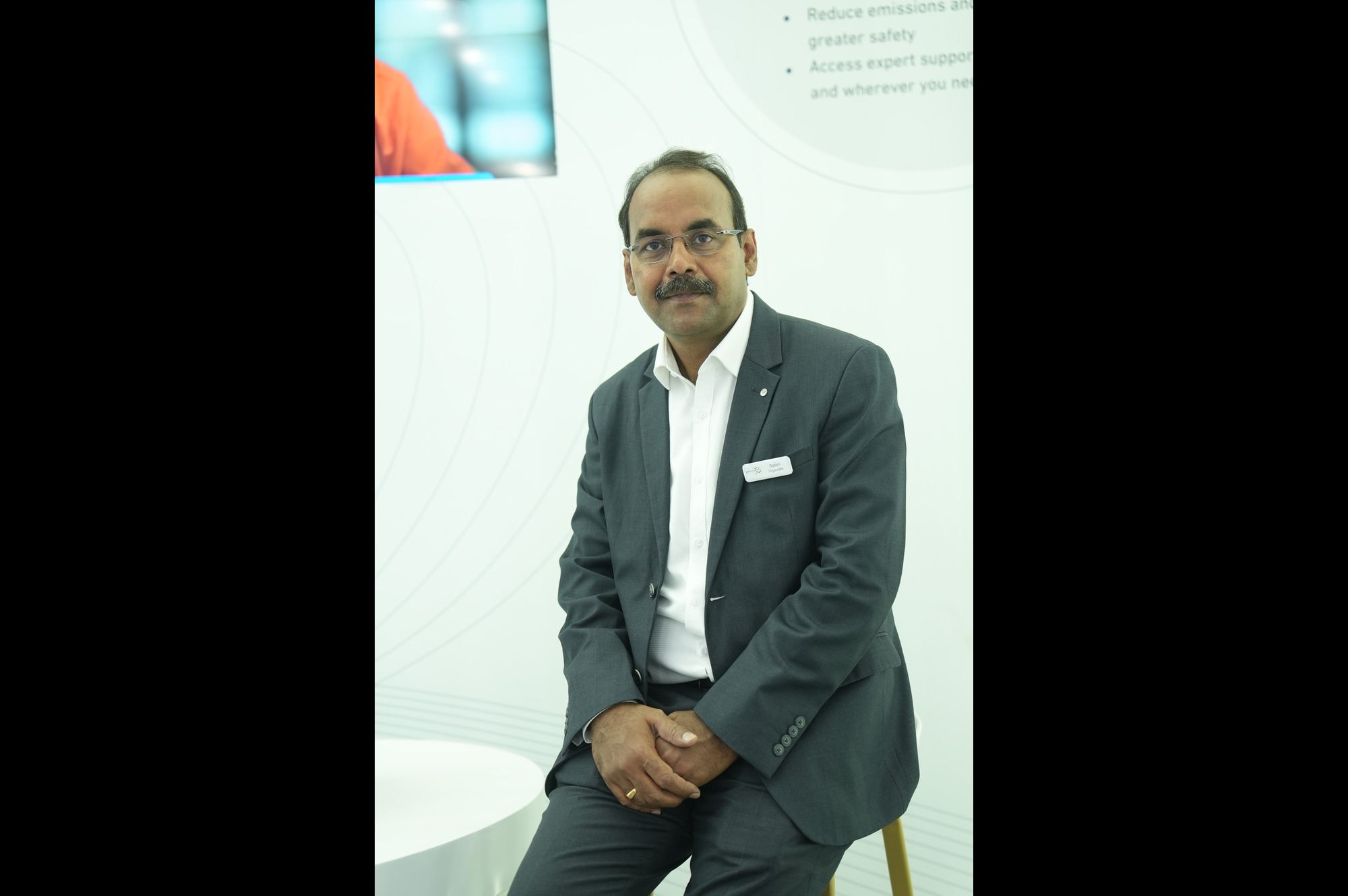
Interview: Satish Ingavale, Managing Director, John Crane India

How strategic is India for John Crane’s global growth, especially with the country’s strong push on infrastructure and industrial expansion?
India is a strategically important growth market for John Crane globally. The country’s continued investment in energy, refining, petrochemicals, power generation, LNG, manufacturing, and infrastructure is creating significant demand for technologies that improve reliability, efficiency and sustainability. India is also evolving rapidly as a global manufacturing and engineering hub, supported by major government initiatives around industrialisation, localisation and energy security. This aligns closely with John Crane’s long-term strategy of supporting critical industries with advanced sealing, reliability and asset performance solutions. We see strong opportunities not only in traditional sectors such as oil and gas and power generation, but also in emerging areas, including hydrogen, biofuels, carbon capture and wider energy transition projects. India’s scale, engineering capability and long-term infrastructure ambitions make it a key market for both regional and global growth. We continue to invest in local capabilities, engineering expertise, manufacturing and customer support to help customers improve operational reliability, reduce emissions and increase efficiency across critical infrastructure.
With advancements such as non-contacting seals, digital diagnostics, and predictive maintenance platforms, how is John Crane pushing the boundaries of innovation in sealing and reliability solutions?
Innovation has always been central to our approach. We pioneered dry gas sealing technology 50 years ago, and today we continue to develop solutions that help customers improve reliability, reduce environmental impact and optimise operational performance. Our latest technologies include advanced non-contacting dry gas seals, intelligent sealing systems, digital diagnostics and predictive maintenance solutions. These technologies are designed to help operators move from reactive maintenance to condition-based and predictive asset management. For example, solutions such as John Crane Sense® Turbo provide real-time visibility into seal health and equipment performance, helping customers identify potential issues before they lead to failures or unplanned shutdowns. In one LNG application, our digital monitoring technology helped prevent a significant unplanned outage by giving operators early warning of changing operating conditions. We are also seeing increasing adoption of technologies that reduce nitrogen consumption, minimise leakage and improve energy efficiency. Solutions such as the Type 93AX coaxial separation seal are designed to significantly reduce nitrogen usage while also helping prevent oil migration into the process gas side, supporting both operational performance and sustainability objectives. Ultimately, our focus is on combining advanced engineering with digital intelligence to help customers improve uptime, safety, efficiency and long-term asset reliability.
While critical applications rely on high-performance sealing solutions, a large part of the aftermarket still sees competition from unorganised players – how do you address this gap?
The reality is that sealing technology is often viewed as a relatively small component within a larger operation, but its impact on safety, reliability, emissions and production continuity can be extremely significant. While lower-cost alternatives may appear attractive initially, customers increasingly recognise the long-term value of high-quality engineered solutions, particularly in critical applications where equipment failure can result in substantial operational, environmental and financial consequences. Our approach is to focus on total lifecycle value rather than just upfront cost. This includes helping customers reduce downtime, lower maintenance requirements, improve energy efficiency and minimise emissions over the lifetime of the equipment. We also work closely with customers through reliability programmes, engineering support, training and aftermarket services to demonstrate measurable operational improvements. In many cases, the cost of an unplanned shutdown or seal failure far outweighs the initial savings from lower-quality alternatives. As industries in India continue to modernise and environmental and safety standards become more stringent, we believe the market will increasingly prioritise reliability, traceability, technical expertise and long-term performance.
Where do you see the strongest demand for your products and solutions, and what key factors – industrialisation, rising energy consumption, or policy-led investments – are driving this demand?
We continue to see particularly strong demand across oil and gas, refining, petrochemicals, LNG, power generation and broader process industries. These sectors are investing heavily in operational reliability, efficiency improvements and emissions reduction. India’s rapid industrialisation and rising energy demand are major drivers, alongside significant policy-led investments in infrastructure, manufacturing and energy security. At the same time, operators are under increasing pressure to improve uptime, reduce maintenance costs and comply with evolving environmental regulations. We are also seeing growing momentum in sectors linked to the energy transition, including hydrogen, carbon capture, sustainable fuels and renewable energy infrastructure. These applications often involve highly demanding operating environments, creating demand for advanced sealing and reliability technologies. Another key trend is digitalisation. Customers increasingly want greater visibility into asset performance and condition-monitoring capabilities that can help improve maintenance planning and reduce operational risk.
What opportunities do you see in hydrogen, carbon capture (CCUS), and renewable energy infrastructure?
We see significant long-term opportunities across hydrogen, CCUS and wider energy transition infrastructure. These technologies are expected to play an important role in helping industries reduce carbon emissions while supporting growing global energy demand. However, they also create new engineering challenges because many of these applications involve high pressures, extreme temperatures, aggressive gases and demanding operating conditions. We are already supporting projects globally across hydrogen, carbon capture, biofuels, geothermal and other sustainable energy applications. Our expertise in sealing technologies, filtration, couplings, digital monitoring and reliability engineering positions us well to support these evolving industries. For example, carbon capture infrastructure requires highly reliable compression and sealing technologies to safely transport and process captured CO₂. Hydrogen applications also require specialised sealing solutions due to the small molecular size and operating characteristics of hydrogen. As India accelerates investment in cleaner energy infrastructure, we believe there will be increasing demand for technologies that can help improve reliability, efficiency and environmental performance in these emerging sectors.
With increasing focus on emissions control and environmental compliance, how do your sealing and reliability solutions help minimise leakage, reduce emissions, and enhance operational efficiency?
Reducing emissions and improving operational efficiency are now major priorities across the industrial sector, particularly in energy-intensive industries. Our sealing and reliability technologies are designed to help customers minimise leakage, improve containment and reduce product losses across critical rotating equipment. This not only supports environmental compliance, but also improves operational safety and efficiency. For example, advanced dry gas seals can significantly reduce methane leakage compared with older sealing technologies, while technologies such as the Type 93AX coaxial separation seal can reduce nitrogen consumption by up to 80% compared with conventional designs. We also help customers improve reliability and reduce unnecessary energy and resource consumption through digital diagnostics and predictive maintenance solutions. By identifying issues earlier, operators can avoid failures, reduce downtime and optimise maintenance schedules. In addition, our reliability services help customers identify inefficiencies, leakage points and equipment performance issues that may otherwise go undetected. This supports both sustainability goals and long-term operational performance.
With India’s focus on domestic manufacturing and localisation, how is John Crane strengthening its local manufacturing and supply chain capabilities?
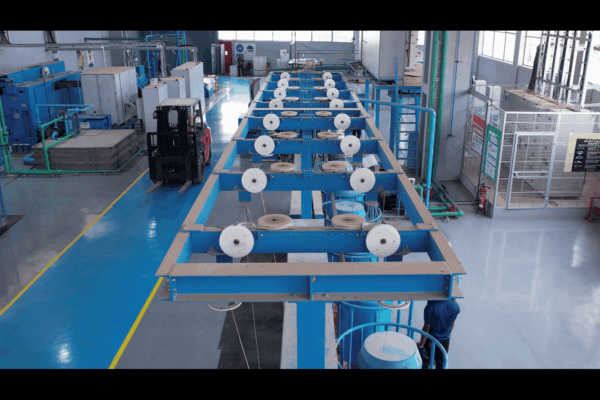
Localisation is becoming increasingly important across the Indian industrial sector, and we have continued to strengthen our local presence to better support customer requirements. We have invested in local engineering, manufacturing, service and support capabilities to improve responsiveness, reduce lead times and provide closer collaboration with customers. We continue to expand local expertise and strengthen our supply chain capabilities to support both domestic demand and regional growth opportunities. India is also an important engineering and talent hub for the business globally. We see strong technical capability in the region and continue to invest in developing local skills, technical knowledge and customer support infrastructure. Our strategy is focused on combining global technology leadership with strong local execution and service capability. This allows us to support customers more effectively while aligning with India’s broader localisation and industrial development objectives.
What are the biggest challenges in the Indian market – pricing pressures, awareness, or skill gaps in installation and maintenance and how are you addressing it?
The Indian market is highly competitive and fast evolving. Pricing pressure remains a challenge in some sectors, particularly where decisions are still driven primarily by initial cost rather than long-term operational value. There is also a continued need for greater awareness around the impact that sealing and reliability technologies can have on safety, emissions, efficiency and asset performance. In many operations, reliability is still viewed reactively rather than strategically. Another important area is skills development. As technologies become more advanced and operations become increasingly digitalised, there is a growing demand for specialised engineering knowledge and maintenance expertise. We address these challenges through customer education, technical collaboration, training programmes and local engineering support. Our focus is on helping customers understand the long-term operational and financial benefits of reliability-led strategies rather than simply evaluating products based on upfront cost. We also work closely with customers to provide technical guidance, installation support, diagnostics and aftermarket services that help improve performance throughout the asset lifecycle.
Counterfeit products pose serious risks to operational safety, performance, and customer trust – how is John Crane strengthening traceability, authentication, and supply chain controls to safeguard its offerings?
Counterfeit industrial components present serious risks, particularly in critical applications where reliability and safety are essential. Poor-quality or non-certified products can lead to leakage, equipment damage, operational failures and significant safety concerns. We place a strong emphasis on product quality, traceability and supply chain integrity. We have rigorous manufacturing standards, quality assurance processes and authentication controls designed to help ensure customers receive genuine, fully tested products. We also work closely with customers and authorised partners to strengthen awareness around the risks associated with counterfeit products and unauthorised supply channels. Increasingly, customers are recognising the importance of traceability, technical support, certification and lifecycle reliability, particularly in industries where operational continuity and environmental compliance are critical. Protecting customer trust is extremely important to us, and we continue to strengthen our processes, supply chain controls and customer engagement to help safeguard product integrity.
What key trends or disruptions – technology, sustainability, or energy transition – will shape the future of the industrial sealing and reliability solutions industry in India, and what role will John Crane play in that transformation?
The industry is being shaped by three major forces: digital transformation, sustainability and the global energy transition. Customers increasingly want smarter, more connected and more efficient operations. This is accelerating demand for predictive maintenance, digital diagnostics, condition monitoring and data-driven reliability strategies. At the same time, industries are under growing pressure to reduce emissions, improve energy efficiency and support decarbonisation objectives. This is creating strong demand for technologies that can improve containment, reduce leakage and support more sustainable operations. The energy mix is also evolving rapidly, with increased investment in LNG, hydrogen, carbon capture, biofuels and renewable energy infrastructure. These applications require highly engineered sealing and reliability technologies capable of operating in increasingly demanding environments. We intend to play a leading role in this transformation by continuing to invest in advanced sealing technologies, digital innovation, reliability engineering and sustainable solutions that help customers improve operational performance while supporting long-term environmental goals. India will be a key part of that future because of its scale, industrial growth, engineering capability and growing role in the global energy transition.
Tags