Fire Safety in Residential Development: Rethinking Risk, Design, and Responsibility

by Nandakumar PS, Head of Projects, Assetz Property Group
Nearly half of all fire incidents in India occur in residential buildings. The alarming statistic highlights the grave risk to human life and property inherent in everyday living. As cities expand vertically and residential formats grow denser, fire risk is becoming more complex, involving not just ignition sources but also building systems, evacuation constraints and response limitations. This context calls for a more coordinated approach, where developers play a critical role in embedding fire safety into design and execution, alongside regulatory oversight and occupant awareness.
High Density, Greater Risk
The Economic Survey 2023–24 estimates that more than 40% of India’s population is expected to reside in urban areas by 2030. It implies an increased demand for high-rise vertical and mixed-use developments that concentrate larger populations within compact footprints. In the absence of robust fire safety planning, such density leads to higher exposure to fire accidents. With fire incidents already contributing an estimated 6%–8% of accidental deaths annually in India, the risk is both widespread and persistent.
The scale and configurations of high-rise buildings affect both fire behaviour and response. Evacuation timelines extend as occupants rely on stairwells, while firefighting access is constrained by height and water pressure limitations. Fire and smoke can also travel through interconnected systems such as ventilation shafts, lift cores and service ducts, increasing the speed and unpredictability of spread. These conditions underline the need for a more deliberate approach to safety planning in dense developments.
Compliance is not Enough
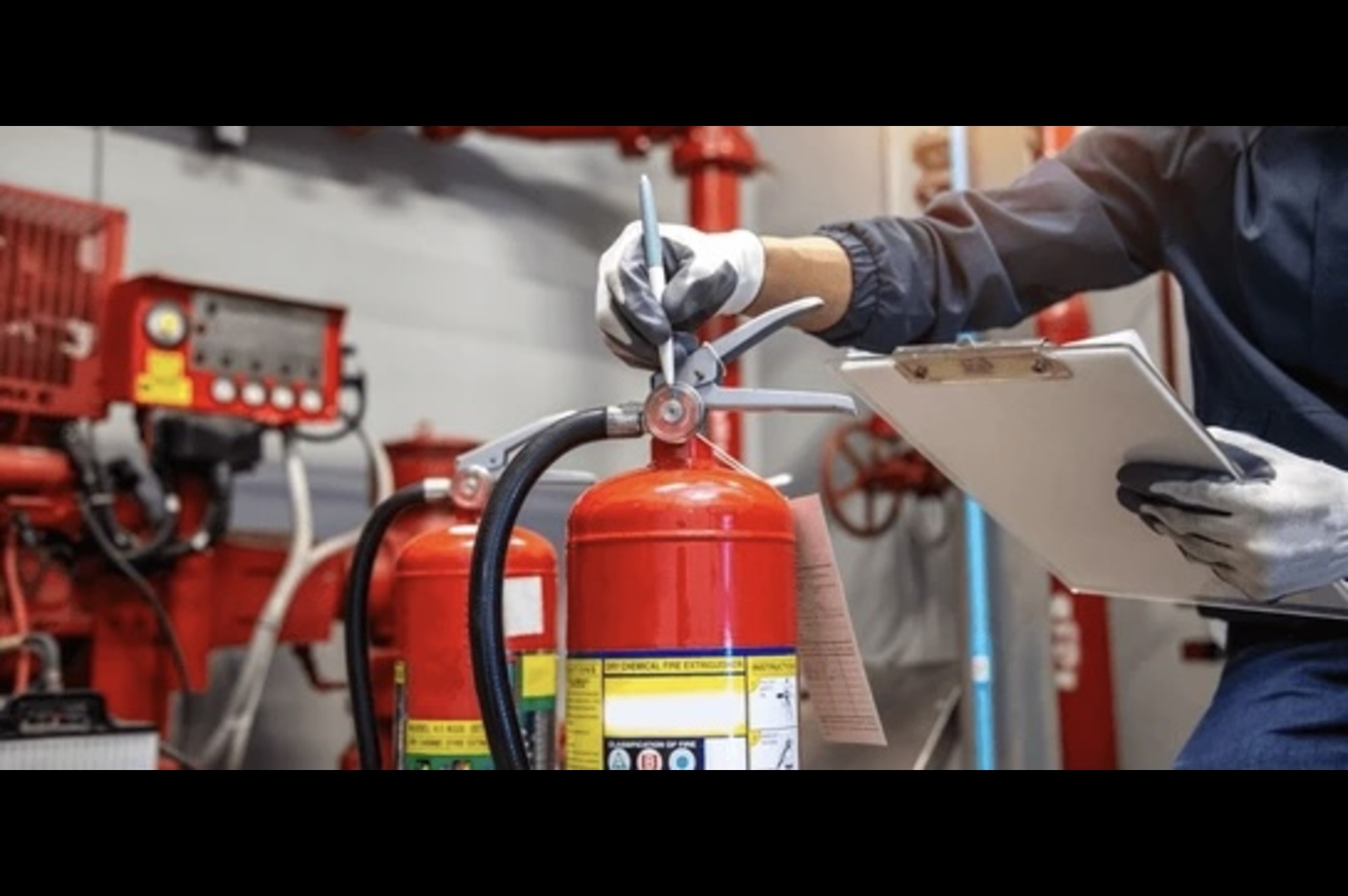
Meeting fire safety norms at the time of construction often creates a false sense of assurance, particularly in complex, high-density environments. Certification confirms that systems are in place, but does not guarantee performance in actual conditions. In reality, many buildings gradually drift away from compliance due to gaps in inspection, testing and upkeep, turning installed systems into underperforming assets.
This underscores the need for performance validation beyond initial approval, including periodic audits, third-party checks and continuous monitoring. Without such mechanisms, compliance remains static while risk keeps escalating. A lifecycle approach, anchored in regular testing, maintenance and system optimisation, is essential to ensure that safety measures retain their intended function well beyond project completion.
Integrating Fire Safety at the Design Stage
Even as maintenance affects long-term performance, many safety outcomes depend on decisions made at the design stage, yet fire safety is often introduced only after key architectural and engineering choices are finalised, limiting its effectiveness to system-level additions. A design-first approach addresses this by integrating safety considerations into layouts, material selection, and service planning from the earliest stages. In operational settings, these decisions directly influence evacuation efficiency, fire resistance, and smoke movement. These factors cannot be effectively corrected once construction is underway.
There is also a need for greater focus on how buildings perform under real conditions, rather than relying solely on prescriptive codes. In well-planned developments, this is reflected in coordinated building systems, thoughtful spatial planning, and design decisions that support safer evacuation and more effective emergency response.
Technology-Led Safety Systems
Fire safety systems in residential developments have progressed from standalone installations to more integrated setups that combine detection, suppression and control mechanisms. Leading developers are incorporating automated alarms, sprinkler networks and centralized monitoring, creating a base layer where multiple safety functions are planned as part of a unified system.
The next layer of advancement lies in how these systems work together during emergencies. Coordination across fire alarms, ventilation systems, elevators and access controls can enable a more synchronised response, helping reduce delays and limit smoke spread across connected spaces. Emerging technologies can enhance system reliability. Sensor-led monitoring and connected platforms track parameters such as pressure levels, equipment status and fault conditions, allowing timely intervention before degradation affects performance.
Preparedness Shapes Outcomes
Infrastructure determines capability, but outcomes during a fire are often shaped by how people respond in those moments. In many residential settings, awareness of evacuation routes, alarm systems and emergency protocols is limited, affecting response time and decision-making under stress. The responsibility for emergency preparedness extends beyond residents. Developers and community managers influence how safety is communicated and practised within a development. Structured awareness programmes, periodic drills and clear operational protocols ensure that safety systems are supported by informed behaviour.
Fire safety in residential developments is moving beyond a checklist-driven approach to one that spans the full lifecycle of a building. Safety outcomes rely on design decisions, maintenance of fire protection features and occupant response under real conditions. For developers, this marks a transition from delivering compliant assets to ensuring consistent performance, where safety is measured by how reliably buildings function and protect residents across their lifecycle.
Tags