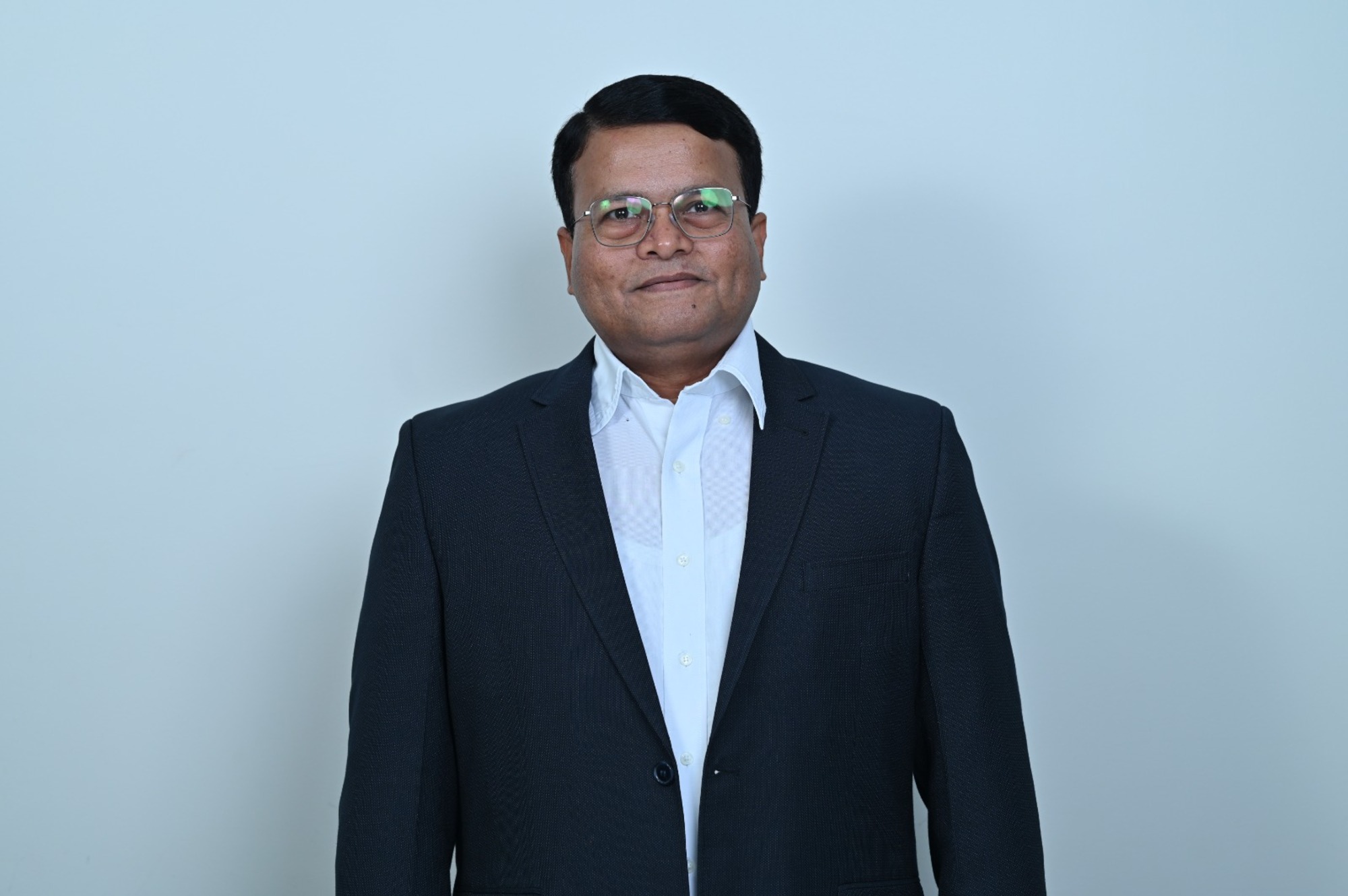
Interview: Sandeep Jadhav, Head of Operations and GMS R&B AMEA and India, ENGIE

With India’s renewable energy capacity now approaching 275 GW, grid integration and round-the-clock supply are increasingly dependent on robust energy storage. How is the battery storage ecosystem evolving in India, and how is ENGIE contributing to this transition?
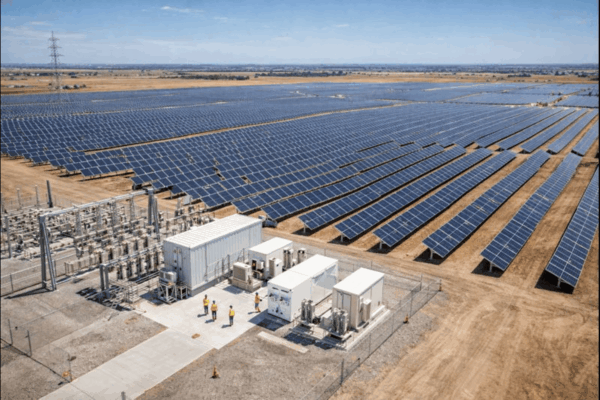
India’s battery storage ecosystem is evolving from pilot-led adoption to becoming a core part of mainstream infrastructure, driven by the next phase of renewable integration. As renewable capacity continues to grow, the focus is shifting from simply adding clean power to ensuring that it is flexible, reliable, and available when the grid needs it. This shift is visible both in policy direction and market momentum. India is expected to require significant storage capacity over the coming decade to meet its renewable energy ambitions, with projections of around 346 GWh by 2033. Storage will play a central role in this transition, absorbing surplus renewable generation, supporting evening peak demand, reducing curtailment, and strengthening overall grid resilience. As renewable penetration increases and the system moves towards round-the-clock supply, battery storage is becoming a fundamental part of project design rather than an add-on. We are contributing to this transition through two landmark projects in India. The 280 MW / 560 MWh GUVNL standalone BESS project is our first large-scale storage project in the country and one of the most significant in our global portfolio, designed to provide two hours of flexible capacity from 2027. We have also secured its first solar-plus-storage hybrid project in India under the SECI Barmer tender, combining 200 MW of solar PV with 100 MW / 600 MWh of battery storage. With up to six hours of storage and commissioning targeted for 2028, the project is designed to deliver firm, round-the-clock renewable power. Together, these projects reflect our approach, integrating renewable generation, storage, and energy management to deliver clean electricity in the right place, at the right time.
Despite the significant strides in solar and wind energy, India has not kept pace. What structural or operational challenges are holding back the sector, and how is ENGIE navigating these to scale its wind portfolio?
India has made significant progress in both solar and wind. The next phase is about designing renewable projects that can deliver more balanced and reliable power across the day. This is where hybrid models become increasingly important. Solar and wind have complementary generation profiles, and when effectively integrated with storage and energy management, they can improve transmission utilisation, reduce variability, and deliver more dependable clean power. We are approaching this transition through integrated project design rather than focusing on individual technologies. The emphasis is on combining solar, wind, storage, and market capabilities in ways that strengthen grid reliability and enhance long-term project performance. As India moves toward round-the-clock and dispatchable renewable power, hybrid projects will play a critical role in making clean energy more predictable, bankable, and relevant to the system.
As renewable energy projects expand into remote and challenging terrains, how is ENGIE adapting its safety frameworks to manage site-specific risks and maintain high HSE standards across projects?
Our safety framework is designed to operate effectively across diverse environments, whether in established renewable corridors or more remote locations. This discipline begins early, during project design and execution planning, and continues through construction and operations. Health and Safety is integrated across managers, HQ teams, field teams, and partners, ensuring that site realities are addressed without compromising the standards we set for ourselves. In India, this approach is reflected in over 30 million safe man-hours, supported by programmes such as Stop Work and the 5 Safety Essentials, along with more than 33,000 training hours in 2024. As the portfolio evolves to include larger solar, wind, hybrid, and storage-linked assets, maintaining this consistency becomes even more important. For ENGIE, strong HSE performance is an integral part of execution quality, not a separate metric.
In light of the ongoing geopolitical tensions between Iran and Israel and the resulting volatility in global oil and gas supply chains, how do you see this crisis influencing the pace and direction of renewable energy adoption in India? How is ENGIE positioning its India operations to respond to this shift?
India’s energy system is closely linked to global commodity markets, across oil, gas, and parts of the coal value chain. In this context, geopolitical volatility highlights the need for a more diversified and resilient energy mix. The transition is not about abrupt change, but about steadily increasing the share of domestic, clean, and flexible power sources that can support long-term energy security. For us, this means focusing on renewable capacity that is increasingly firm and dispatchable. Our work in India is evolving toward integrated solutions across solar, wind, hybrid, and storage-backed projects, including the 280 MW / 560 MWh GUVNL BESS project and the SECI solar-plus-storage hybrid project. These initiatives are part of a broader effort to strengthen the availability of reliable clean power, while supporting India’s energy security, affordability, and industrial competitiveness.
With renewable capacity expanding rapidly, intermittency, transmission constraints, and grid integration remain key challenges. What are the most critical bottlenecks today, and how is the grid adapting to higher shares of variable renewable energy?
As renewable capacity expands rapidly, the next priority is ensuring that clean power can be effectively absorbed, balanced, and delivered reliably across the system. Key areas of focus include transmission readiness, forecasting accuracy, storage integration, and real-time grid flexibility. As solar and wind continue to scale, the power system is evolving to manage greater variability across the day. India is already moving in this direction through a stronger emphasis on hybrid projects, battery storage, round-the-clock supply models, and market mechanisms that reward flexibility. Storage is particularly critical, as it enables surplus renewable energy to be stored and released when demand rises. For us, this aligns closely with our next phase of growth. Our recent hybrid project wins reflect the broader shift towards more reliable and dispatchable clean power. The objective remains clear – to deliver green electricity in the right place, at the right time.
With renewable assets operating across contrasting environments – from moisture-heavy regions to water-stressed areas – how is ENGIE tailoring its O&M practices to maintain efficiency, especially in terms of panel cleaning and resource optimization?
Our O&M approach is guided by site-specific conditions rather than a one-size-fits-all model. Renewable assets operate in diverse environments, so maintenance practices are tailored to local factors such as dust levels, humidity, water availability, terrain, and site accessibility. Across the portfolio, we maintain a strong focus on plant availability, safety, and long-term performance through proactive maintenance, scheduled inspections, and real-time monitoring systems such as SCADA. These systems help identify issues early, minimise downtime, and ensure consistent generation across solar and wind assets. Resource optimisation is a key part of this approach. In water-stressed or high-dust locations, we use water-efficient cleaning methods along with alternative solutions, including robotic cleaning where appropriate. This ensures that asset performance is maintained without increasing the environmental footprint. The approach is further strengthened by skilled field teams, preventive maintenance planning, and robust health, safety, and environmental standards. Overall, we combine predictive monitoring, disciplined maintenance, and sustainable site practices to maximise performance while optimising resources such as water, manpower, and operational downtime.
How do current government policies and regulatory frameworks support the growth of renewable energy in India, and what key gaps still need to be addressed to enable smoother project execution and scalability?
India’s policy framework has been one of the strongest drivers of renewable energy growth. Clear national targets, competitive bidding mechanisms, and institutions such as SECI have provided a stable foundation for investment, enabling rapid scaling across solar, wind, hybrid, and storage-linked projects. The policy direction is also evolving in line with the sector’s next phase. The increasing focus on storage, grid modernisation, domestic manufacturing, and round-the-clock supply reflects a strong understanding of emerging system requirements. As the sector continues to scale, closer coordination around transmission readiness, land processes, connectivity approvals, and alignment between central and state stakeholders will be important to accelerate execution. For hybrid and storage-backed projects, greater clarity around dispatch, market participation, and long-term offtake will further strengthen project bankability. Overall, India has created a highly enabling environment for renewable energy. The next phase will build on this momentum by making clean power more reliable, flexible, and scalable across the grid.
As renewable energy projects scale rapidly, how is technology reshaping their development and operations, and which advanced innovations – ranging from AI and digital twins to drones, robotic cleaning, and energy storage – do you see as true game changers?
Technology is reshaping renewable energy by shifting the focus from asset creation to asset performance. At the development stage, digital modelling and advanced analytics are helping improve resource assessment, site selection, and project design, particularly as projects become more hybrid and storage-integrated. Once assets are operational, technology plays an even more critical role in enhancing visibility, responsiveness, and overall lifecycle performance. We leverage this through platforms such as the Fleet Performance Diagnostic Centre, enabling centralised monitoring and performance analytics across its renewable assets. Tools like Darwin, Grafana, and CMMS further strengthen operations through predictive insights, anomaly detection, improved field responsiveness, and robust performance tracking. Some of the most significant advances are coming from technologies that improve execution on the ground. AI-driven forecasting enables more accurate scheduling and better grid integration. Robotic cleaning supports consistent solar generation while reducing water consumption in water-stressed regions. Battery storage represents a more structural shift, making renewable energy more flexible, dispatchable, and better aligned with demand.
As India accelerates towards its renewable energy goals, how does ENGIE plan to scale its presence and contribute meaningfully to the country’s clean energy growth?
Our strategy in India is to scale with discipline and system relevance, rather than focusing solely on capacity addition. Our ambition is to grow to around 7 GW by 2030, building on our existing renewable platform and expanding across solar, wind, hybrid, and storage-backed solutions. As renewable penetration increases, the market’s needs are evolving toward clean power that is not only sustainable, but also reliable and flexible. This is where we are directing our growth. Our 280 MW / 560 MWh GUVNL BESS project and the SECI solar-plus-storage hybrid project reflect this shift toward storage-led and dispatchable renewable solutions. We are also strengthening our Supply and Energy Management activities in India to better connect renewable assets with customers and markets, enabling corporates to access reliable, cost-effective, and lower-carbon energy. Our objective is to support India’s clean energy transition through long-term investment, disciplined execution, and solutions that enhance grid resilience, build customer confidence, and strengthen energy security.
Tags