The Growth Corridors – Remolding India’s Infra Landscape

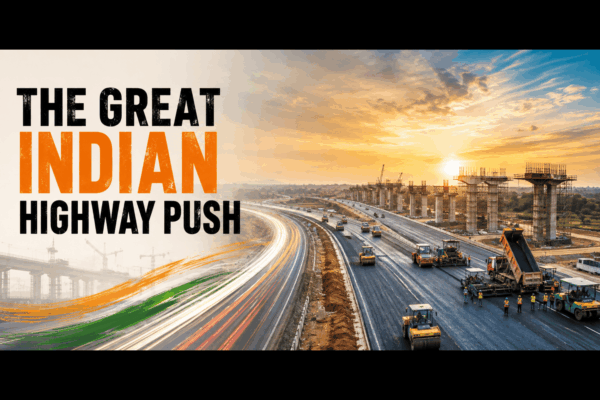
India is gearing up for a new era of road infrastructure, where strategic corridors are driving investment, trade, and regional connectivity. These modern expressways and eco-friendly initiatives are transforming highways as the key drivers of economic development
In India’s fast-evolving growth story, roads and highways have moved from being basic enablers to becoming strategic economic assets at the heart of an infrastructure-led development model. With logistics costs historically higher than global benchmarks, the expansion of national corridors, expressways, and last-mile rural connectivity is reshaping how efficiently goods and people move across the country.
From accelerating farm-to-market linkages and e-commerce penetration to supporting manufacturing clusters and export competitiveness, modern highways are tightening supply chains and unlocking regional economic potential. Flagship initiatives and public-private investments are not only boosting construction activity and job creation but also signaling policy intent to build a globally competitive infrastructure backbone. As India positions itself as a manufacturing and consumption hub, its road network is emerging as a critical lever in transforming the economy into a more integrated, resilient, and infrastructure-focused powerhouse.
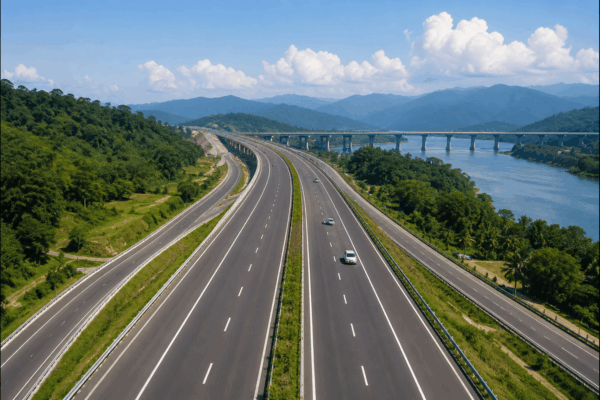
The roads and highways sector in India is now undergoing a qualitative shift, moving beyond traditional expansion to the development of high-speed expressways and environmentally conscious corridors. A new generation of access-controlled expressways is reducing travel time between major economic centers, improving freight efficiency, and redefining long-distance mobility standards. At the same time, there is a growing emphasis on “Green Corridors” that integrate sustainability into infrastructure planning—through measures such as solar-powered lighting, use of recycled construction materials, wildlife crossings, and extensive plantation drives along highways. These initiatives reflect a broader transition in policy thinking, where speed, safety, and sustainability are being pursued together rather than in isolation. As a result, India’s highway network is not only becoming faster and more efficient but also more aligned with global benchmarks for resilient and environmentally responsible infrastructure development.
Tracking the Growth Momentum
India’s roads and highways sector has emerged as one of the largest and most dynamic components of the country’s infrastructure economy, both in terms of market size and policy priority. Over the past decade, the sector has transitioned from incremental expansion to a high-investment, corridor-led development model, creating a substantial market for construction companies, infrastructure developers, investors, and ancillary industries. With national highways expanding rapidly and new expressway networks under development, the sector today represents a multi-lakh-crore opportunity, closely linked to India’s ambitions of becoming a $5 trillion economy.
The scale of growth is evident in both physical and financial metrics. India’s national highway network has expanded significantly, crossing over 1.46 lakh km in recent years, reflecting a sharp increase in capacity and connectivity. At the same time, the government has outlined an ambitious pipeline of projects, including a public-private partnership (PPP) pipeline of over 13,000 km and an overall investment plan exceeding ₹8 lakh crore. This has positioned the roads and highways segment as a key driver within the broader infrastructure sector, which itself is projected to attract investments worth ₹143 lakh crore by 2030. The multiplier effect of such investments extends beyond construction, stimulating demand in cement, steel, logistics, and real estate, while also enhancing productivity across sectors.
In terms of market share within government expenditure, the Ministry of Road Transport and Highways consistently commands one of the largest allocations among infrastructure ministries. In the Union Budget 2025–26, the sector received approximately ₹2.87 lakh crore, accounting for a significant share of total central government spending. This allocation marked a continuation of a steady upward trajectory, with spending on road infrastructure nearly tripling from around ₹99,000 crore in FY21 to current levels. Such sustained capital commitment underscores the sector’s centrality to India’s economic planning.
The momentum has further accelerated in the latest Union Budget 2026–27, where allocations have been increased to around ₹3.10 lakh crore, reflecting an annual rise of roughly 8 per cent. A substantial portion of this funding is directed towards the National Highways Authority of India (NHAI), which continues to anchor project execution and asset monetisation strategies. The emphasis is not only on expanding the network but also on improving asset quality, reducing debt burdens, and leveraging innovative financing models such as infrastructure investment trusts (InvITs).
From a market perspective, the sector’s growth is also being driven by increased private participation and monetisation initiatives under programmes like the National Monetisation Pipeline. These mechanisms are opening up revenue-generating highway assets to institutional investors, thereby deepening the infrastructure financing ecosystem. Simultaneously, the rise of toll-based revenue models and digital toll collection systems is enhancing the commercial viability of highway projects.
Backed by record budgetary allocations, a robust project pipeline, and evolving financing frameworks, the sector is set to remain a cornerstone of India’s infrastructure growth story, offering both scale and long-term returns for stakeholders across the value chain.
The Tech Drive
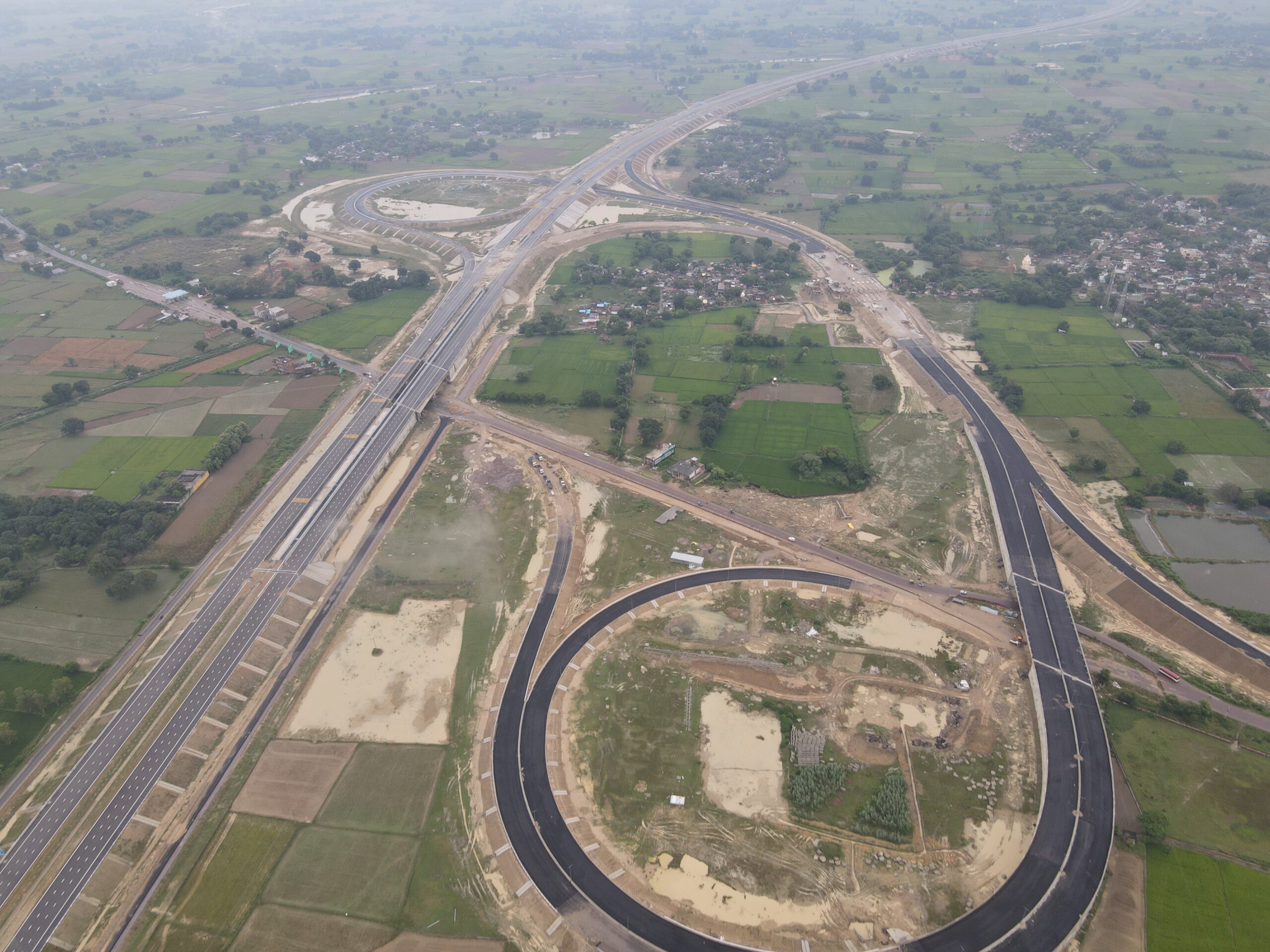
A defining trend is the push toward next-generation high-speed corridors and expressways. Projects such as the Delhi–Mumbai Expressway and the Ganga Expressway reflect this shift, offering access-controlled, high-speed connectivity designed to significantly reduce travel time and improve freight efficiency. These corridors are being developed with advanced engineering standards, better safety features, and provisions for future traffic growth.
The sector is also witnessing rapid progress in electronic tolling systems (e-tollways). The implementation of FASTag across national highways and the planned transition to GPS-based tolling are enabling barrier-free movement. This reduces congestion at toll plazas, cuts fuel consumption, and enhances user convenience, while also improving transparency and efficiency in toll collection.
Sustainability is becoming a central theme with the development of green corridors. Initiatives under the Green Highways Policy promote plantation along highways, carbon reduction measures, and eco-friendly construction practices. In addition, major corridors like the Delhi–Amritsar–Katra Expressway are incorporating features such as solar lighting, rainwater harvesting, and wildlife crossings, aligning infrastructure growth with environmental conservation.
A major structural shift is the increased use of green and innovative building materials. Road construction now frequently incorporates recycled asphalt pavement (RAP), plastic waste in bitumen, fly ash from thermal plants, and construction and demolition waste. These materials help reduce environmental impact, lower costs, and conserve natural resources. At the same time, the adoption of advanced materials like modified bitumen and long-life pavement technologies is improving durability and reducing maintenance needs, ensuring more sustainable lifecycle performance of highways.
Another important trend is the focus on multimodal integration and logistics efficiency. Programs such as PM GatiShakti are aligning highway development with ports, railways, and industrial corridors to create a seamless logistics network. This integrated approach is helping reduce transportation costs and enhancing supply chain reliability across the country.
The sector continues to be driven by strong public investment and innovative financing models. Flagship initiatives like the Bharatmala Pariyojana have provided a structured pipeline of projects, while public-private partnerships and asset monetization strategies are attracting private capital and improving project execution.
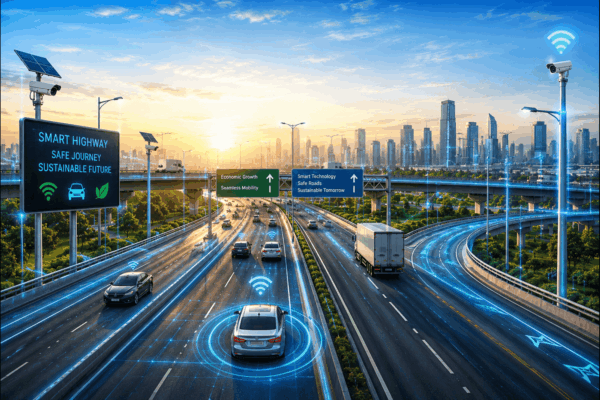
Finally, technology adoption is reshaping highway planning and management. The use of intelligent traffic systems, real-time monitoring, drone surveys, and data-driven maintenance is improving safety, operational efficiency, and asset management across major corridors.
Growth Hiccups
India’s roads and highways sector, while witnessing robust expansion, is navigating several structural and operational challenges. Land acquisition continues to be a critical hurdle, particularly for high-speed expressways and industrial corridors. Delays in securing land not only prolong project timelines but also escalate costs, while navigating regulatory and environmental approvals—especially in ecologically sensitive zones—adds further complexity to project execution.
Financial constraints also pose a significant challenge. Although government programs and public-private partnership (PPP) models have mobilized substantial capital, issues such as delayed payments, cost overruns, and uneven risk allocation between public and private stakeholders can impede timely implementation. Moreover, rising input costs for materials like steel, bitumen, and labor have contributed to higher project expenditures, occasionally affecting the initiation of new developments.
Operational and maintenance concerns remain another area of focus. Congestion on existing highways, deferred maintenance, and safety issues, particularly in high-traffic corridors, continue to demand attention. Integrating emerging technologies—such as intelligent traffic management systems and electronic tolling—into older highway networks also presents technical and logistical challenges.
The Way Forward
The long-term prospects for India’s roads and highways sector remain highly promising. Policy reforms aimed at simplifying land acquisition, streamlining environmental clearances, and enabling faster project approvals are gradually reducing traditional bottlenecks. At the same time, innovative financing mechanisms—including public-private partnerships, asset monetization, and infrastructure investment trusts—are bringing in private capital and enhancing project execution capabilities. Coupled with the adoption of advanced technologies such as intelligent traffic systems, e-tolling, and data-driven maintenance, these measures are paving the way for a more efficient, reliable, and modern highway network.
Landmark projects like the Delhi–Mumbai Expressway, Ganga Expressway, and the growing network of green corridors demonstrate India’s commitment to building infrastructure that is not only high-speed and high-capacity but also environmentally sustainable. The increased use of green construction materials, renewable energy integration, and EV-ready infrastructure reflects the sector’s forward-looking approach. With these initiatives, India is steadily creating a highway network that supports economic growth, enhances regional connectivity, and positions the country as a global infrastructure leader, ensuring that the sector’s trajectory remains strongly positive for years to come.
Tags