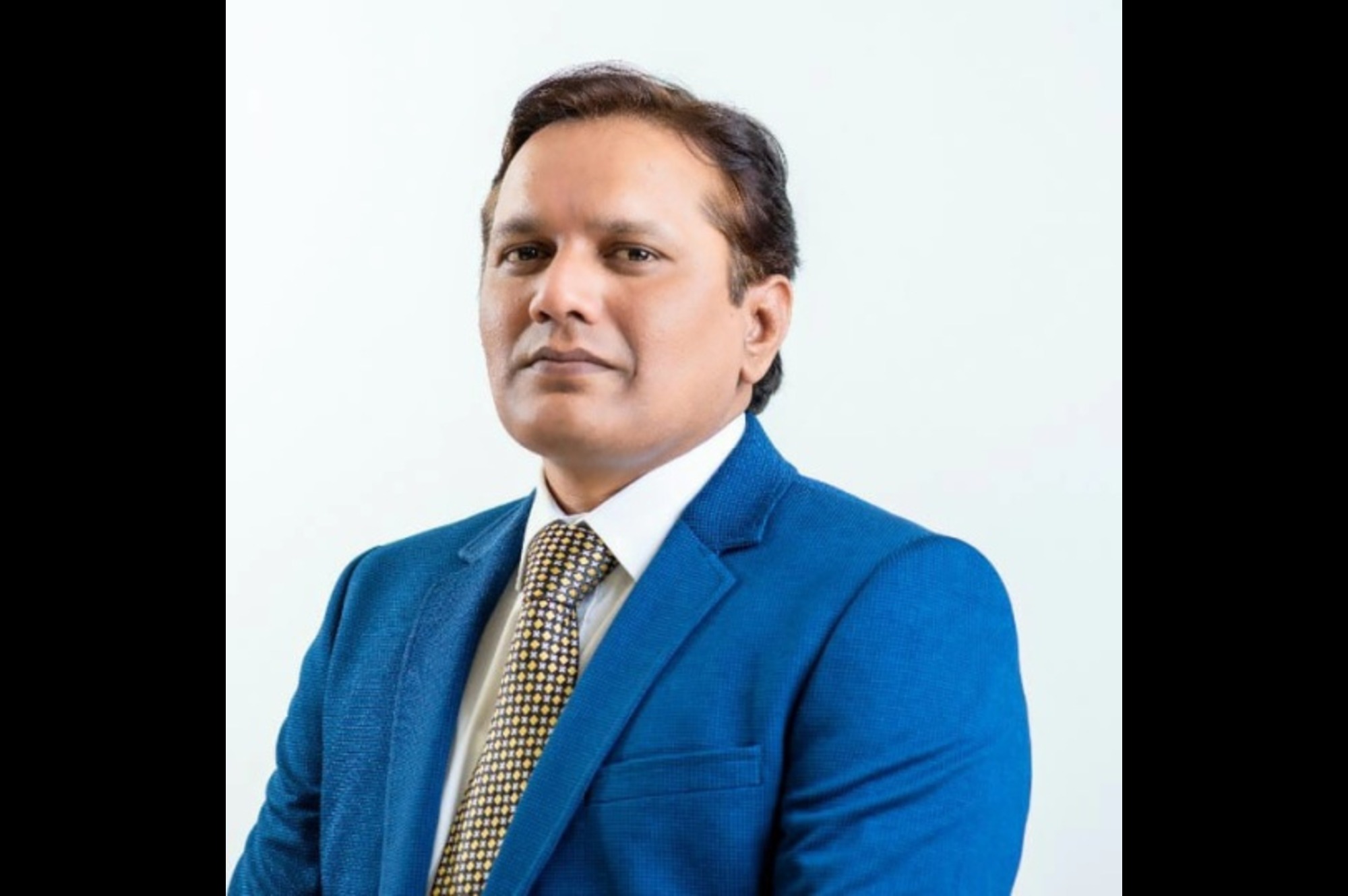
Interview: Rom Prakash Bhagat, Business Head – Concrete Pumps, Putzmeister Concrete Machines

We see ourselves not just as an equipment provider, but as a concrete equipment partner enabling faster, safer, and more sustainable construction
Stringent infrastructure project deadlines have transformed the equipment industry. How has concrete equipment evolved over the past three years across key parameters such as innovation, sustainability, and operational efficiency?
Over the past three years, the evolution of concrete equipment has been closely aligned with the increasing complexity and diversity of infrastructure projects in India. We have seen demand shift towards application-specific, high-performance solutions whether it is high-rise urban construction requiring high-reach boom pumps like BSF 42.10H & SY 43 , BSF 47.10H and special machine 62m height boom pump, metro and tunnelling projects needing shotcrete machines and stationary pumps, or large infrastructure projects demanding high-capacity batching plants capacity from 60 cum to 120 cum and transit mixers 8 Cum & 9 Cum. Innovation today is centred around precision, reliability, and intelligence. Our equipment integrates advanced hydraulics, smart control systems, and telematics, enabling customers to deliver consistent output across varied project conditions with optimized fuel efficiency along-with sufficient energy savings, reduced wear parts consumption, and better material utilisation. Operational efficiency is being redefined, customers expect higher pumping heights for higher concrete grades above than M50, faster cycle times, and near-zero downtime, and that is exactly where Putzmeister continues to lead.
Which infrastructure sub-sectors have contributed the most to your revenues in recent years, and which segments do you expect to drive growth going forward? Why?
In recent years, roads & highways, metro rail projects, and urban infrastructure have been the primary contributors to demand. These segments require high-volume, time-bound concreting, making advanced equipment indispensable. Going forward, we see strong growth coming from urban redevelopment, high-rise construction, roads, highways, railways, metro, airports, ports, and Energy & Power Infrastructure such as renewable, hydroelectric power and large-scale foundations. Additionally, Tier 2 and Tier 3 city expansion apart from state capitals will be a significant driver. As infrastructure penetrates deeper into India, the need for reliable, mobile, and high-efficiency equipment will increase substantially.
With several cities restricting on-site concrete equipment due to dust, noise, and air pollution concerns, has there been a shift in demand towards specific equipment categories such as batching plants, transit mixers, and concrete pumps?
Yes, there is a visible and structural shift in demand. With increasing restrictions around dust, noise, and emissions, construction in urban areas is moving towards centralised batching, efficient transit, and high-performance pumping solutions. This has accelerated adoption of advanced intelligent featured batching plants; transit mixers with optimised drum design for minimal spillage and consistence concrete delivery on traditional trucks with fuel saving. Expecting EV Transit Mixers start rolling this year and will play major role for pollution control with high performance; High-reach and efficient electric concrete pumps that reduce air & noise pollution, on-site congestion and manpower dependency with the usage hybrid versions of iONTRON Truck mounted Boom Pumps. The focus is clearly shifting from on-site improvisation to planned, controlled, and environmentally compliant concrete equipment, ie, Smart featured fuel saving concrete pumps, Hybrid and Electric concrete pumps.
How are you addressing regulatory challenges such as environmental norms, emission standards, and restrictions on operating concrete equipment within city limits?
Regulatory compliance today is not a constraint, it is a design principle. We adhere to all challenges as a motivation to serve better and sustainable to the world and we are having advance featured concrete pumps to cater and support higher emission norms engines. There are many efforts put in place to achieve the standards. Few to them includes Equipment aligned with stricter emission norms of engine which need to be upgraded; Dust suppression and noise reduction technologies and optimised fuel consumption and energy-efficient systems. Additionally, we work closely with customers to ensure process-level compliance, not just equipment-level. This includes site planning, equipment selection, and operational best practices. The industry’s direction is clear: performance and sustainability must go hand in hand.
In recent years, automation, telematics, and remote monitoring have revolutionised concrete equipment in terms of productivity, performance, construction speed, quality, and consistency. What emerging technologies do you see shaping the next generation of concrete equipment?
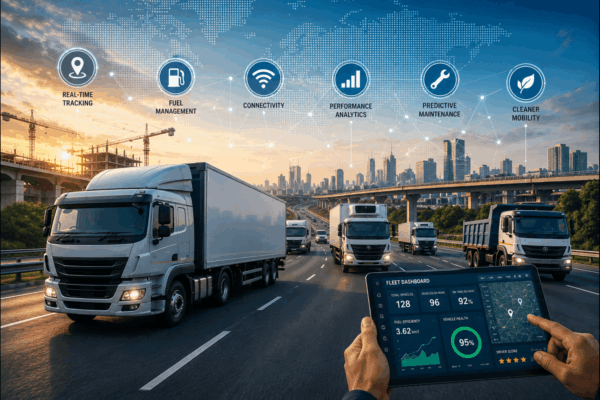
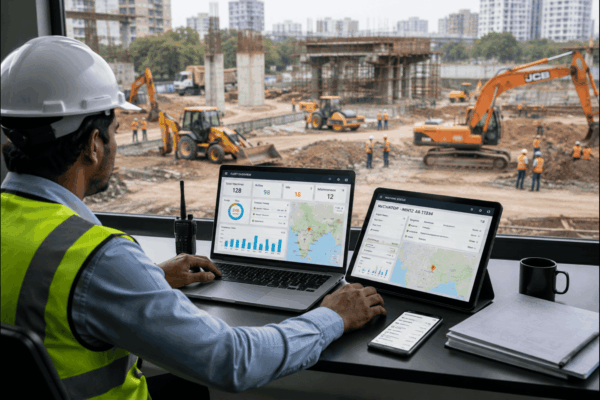
The next phase of transformation will be driven by data and intelligence. For us, innovation has been at the core. We are everyday working on newer technologies and system to cater to our customers. Some of the key technologies include advanced telematics and real-time fleet management systems; AI-driven products with predictive maintenance to minimise downtime; Automation in pumping and batching for precision and repeatability and remote diagnostics and service interventions. In the long term, we will also see movement towards semi-autonomous operations and electrification, especially in controlled environments. The objective is simple maximum output, minimum uncertainty.
What role have government policies played in the growth of the concrete equipment sector in India, and what further policy support is needed to drive the industry forward?
Government initiatives such as National Infrastructure Pipeline (NIP), Gati Shakti, and increased capex allocation have been instrumental in driving demand. For sure, policy support has accelerated project execution timelines; increased scale of projects and encouraged adoption of advanced construction technologies & support raw material availability. Going forward, the industry would surely benefit from stronger push towards mechanisation mandates; incentives or subsidy for sustainable and production of low-emission equipment for manufacturers those are investing money to develop; improved access to financing for contractors; Standardisation in project specifications. A policy environment that promotes quality, speed, and sustainability will further strengthen the sector.
What strategies are you adopting to address challenges such as price competition, import pressures, and financing constraints in the market?
The market is undoubtedly competitive, with pricing pressures and import dynamics playing a role. Our approach is to move the conversation from price to value by delivering higher lifecycle productivity; ensuring lower total cost of ownership; providing reliability that directly impacts project timelines and developed hybrid and fuel or energy saving products. On imports, localisation and strong service support remain key differentiators. On financing, we are working closely with partners to enable structured financing solutions with easy availability, because access to capital is critical for fleet expansion.
After-sales service plays a crucial role in building brand loyalty. What after-sales support & services does your organisation offer to ensure customer satisfaction and long-term relationships?
In the concrete equipment industry, after-sales service and spare parts support are critical, as the reliability, uptime, and long-term performance of machinery directly influence project timelines, operational costs, and overall customer satisfaction. Our philosophy is simple: brand trust is built not just through the sale of equipment, but through consistent on-site performance. To ensure this, we maintain a strong service network with rapid response times, ensure the availability of genuine spare parts, and conduct regular operator and technician training programmes. We also provide periodic training support to our customers and deploy digital service tools that enable efficient monitoring, diagnostics, and proactive maintenance of equipment.
As India moves towards its US$5 trillion economy goal, massive volumes of concrete will be required to support infrastructure development, placing concrete equipment at the centre of this transformation. How is your organisation aligning its strategy to support this growth?
India’s infrastructure growth trajectory places concrete at the core of development. As an organisation, we are aligning through Expanding our product portfolio to meet diverse application needs; Investing in technology and localisation; Strengthening manufacturing; Strong focus on supply chain capabilities; Enhancing service infrastructure across regions; and Strengthening service function. We see ourselves not just as an equipment provider, but as a concrete equipment partner enabling faster, safer, and more sustainable construction. India’s growth story is an opportunity and responsibility for the entire ecosystem. Our role is to ensure that execution keeps pace with ambition.
Tags