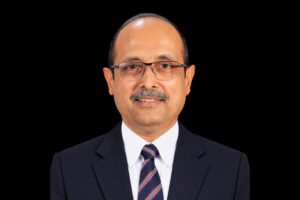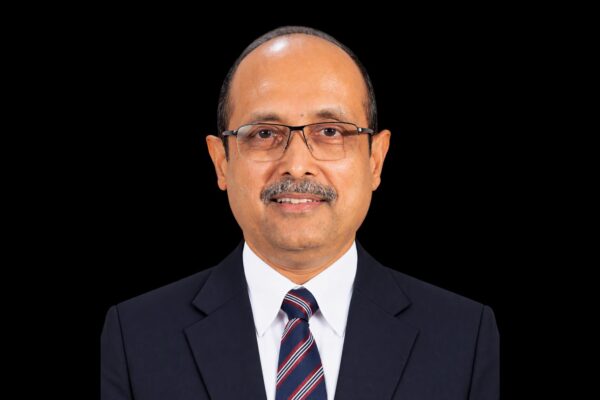
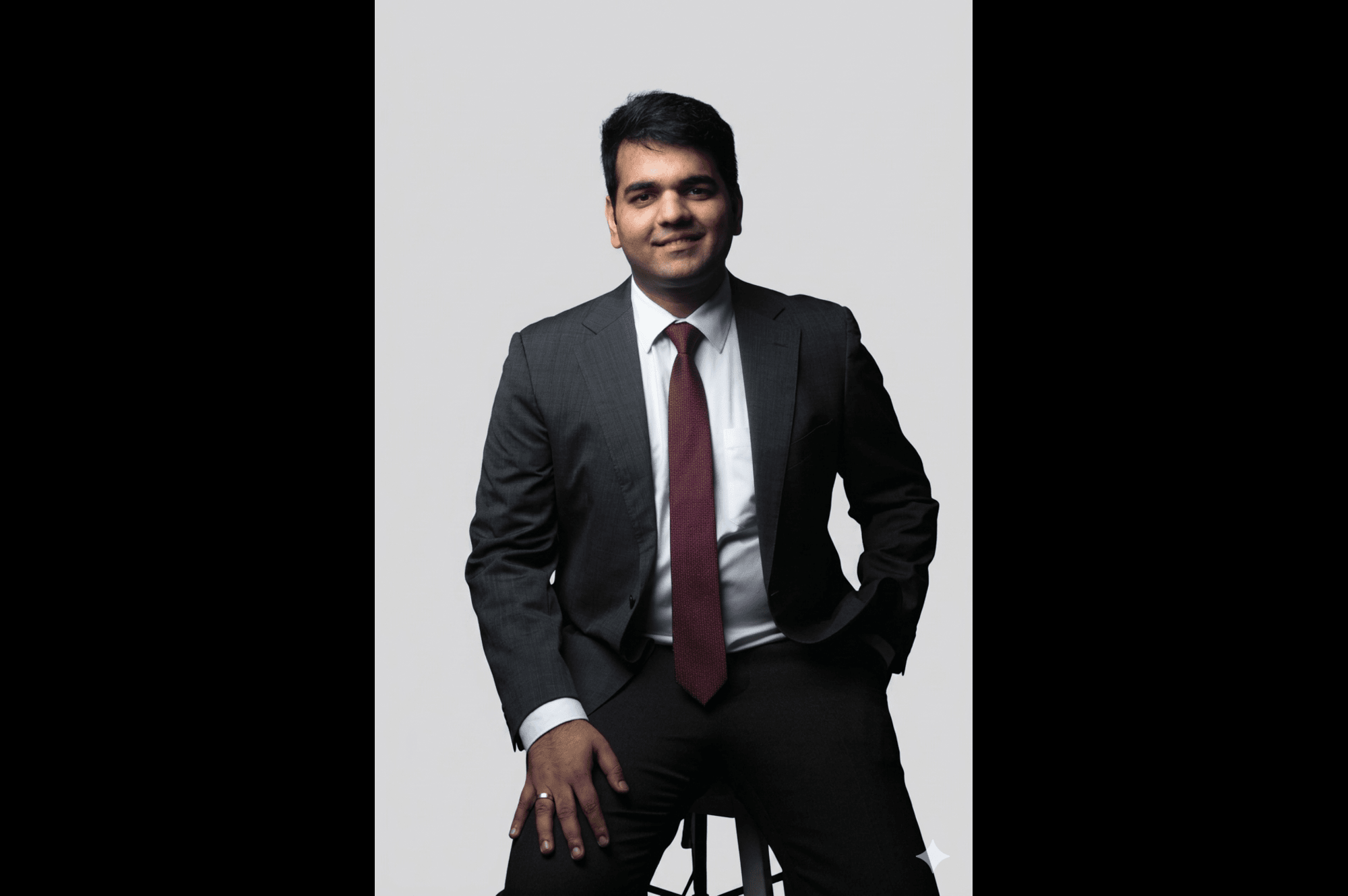
Interview: Rajesh Kabra, Joint Managing Director, RR Kabel

How do you view the entry of large, well-funded corporate groups into the wires and cables sector, and what factors are driving their interest?
The entry of large corporate groups validates the long-term growth potential of India’s wires and cables industry. Rising investments in infrastructure, power generation and distribution, urbanisation, renewable energy and digital infrastructure are creating sustained demand for reliable, high-performance cable solutions. The increasing emphasis on electrical safety, quality and regulatory compliance is also accelerating the shift towards organised manufacturers. While the entry of new players will intensify competition, the overall market is expanding, creating opportunities for established and emerging companies alike. Manufacturing capabilities, backward integration, technological expertise and strong distribution networks will remain important differentiators. We believe sustainable growth will be driven by continuous innovation, consistent product quality and customer trust rather than price-led competition alone.
With competition intensifying from new entrants and unorganised players, what strategies are you adopting to expand market share and strengthen your position?
Our strategy centres on expanding our product portfolio, strengthening our distribution network and enhancing manufacturing capabilities. We continue to develop solutions for residential, industrial, infrastructure and renewable energy applications, enabling us to address a wider range of customer requirements. Strengthening dealer and distributor relationships, alongside our project network and pan-India presence, remains equally important. We are also investing in manufacturing efficiency, automation and digitalisation to improve operational consistency and responsiveness. Research and development, supported by application engineering, helps us adapt our offerings to evolving technical requirements. Alongside these efforts, customer education around product quality, safety and reliability remains essential.
What new wires and cables have you launched in the past two years, and how do they compare with earlier products in terms of performance, safety, durability and technology?
Over the past two years, our product development efforts have focused on strengthening our specialty cable portfolio to meet increasingly demanding operating conditions. This includes expanding our electron beam (E-Beam) cross-linked cable offerings, developing specialised solutions for renewable energy applications and introducing AD8-compliant cables designed for permanent water-submergence conditions. E-Beam technology enhances insulation performance, thermal stability and mechanical durability, supporting reliable operation under demanding conditions. Our specialised cable solutions are also designed to address requirements such as temperature variations, moisture exposure, UV radiation and outdoor ageing. Compared with conventional offerings, these application-specific designs place greater emphasis on long-term reliability and performance in challenging environments. We continue to focus on compliance with applicable standards, with REACH- and RoHS-compliant offerings across product categories. The objective is to deliver solutions that combine electrical performance, safety, durability and lifecycle value.
What R&D initiatives are you undertaking to minimise electrical fire risks caused by short circuits, overheating and insulation failure?
Preventing electrical hazards requires a combination of material science, manufacturing precision, product validation and adherence to applicable safety standards. Insulation properties, thermal endurance, mechanical strength and fire performance are important considerations in cable design. Testing under electrical, thermal, mechanical and environmental conditions helps establish product suitability for different applications. Advanced insulation technologies, including E-Beam cross-linking, can further enhance thermal stability and mechanical performance. Our approach to product reliability places emphasis on quality assurance across the manufacturing process, from raw material selection and compound development to finished cable testing.
What measures are you taking to prevent counterfeiting and help customers identify and purchase genuine products?
Counterfeit wires and cables can compromise electrical safety due to substandard materials and inadequate manufacturing controls. Customers should purchase products through authorised dealers and established distribution networks, check packaging and certification details, and verify authenticity with the manufacturer or authorised seller whenever in doubt. For the industry, product traceability, consistent quality standards and consumer awareness are important in addressing counterfeiting. Educating customers about the risks associated with unverified products can encourage informed purchasing decisions and greater adoption of compliant, reliable solutions. Collaboration between manufacturers, distributors and regulators is equally important in tackling this challenge.
How are you addressing the growing demand for specialised cabling solutions across renewable energy, data centres and infrastructure through your product portfolio?
The expansion of renewable energy, digital infrastructure and large-scale infrastructure projects is increasing demand for application-specific cable solutions. These applications require cables that can deliver consistent electrical performance while withstanding demanding environmental and operational conditions. Renewable energy installations require solutions with strong UV resistance, moisture resistance and thermal endurance. Data centres and communication infrastructure, meanwhile, require dependable power transmission, signal integrity and operational continuity. Industrial and infrastructure applications may also demand enhanced fire performance, mechanical robustness and resistance to challenging environmental conditions. Our specialty cable portfolio includes instrumentation, control, communication, data, servo, solar and fire-survival cables, addressing a range of these requirements. Our development efforts also focus on specialised polymer compounds and cable designs suited to specific operating environments. Our entry into the optical fibre cable segment through the acquisition of U M Cables’ optical fibre and related cable business further expands our presence in communication infrastructure. These capabilities position us to address evolving requirements across power and communication applications.
What initiatives are you undertaking to make your products more sustainable, reduce the environmental impact of manufacturing and improve resource efficiency?
Sustainability is embedded in our manufacturing approach, with a focus on improving energy efficiency, optimising resource utilisation and reducing the environmental footprint of our operations. We are progressively integrating renewable energy, including solar and wind-solar hybrid power, into our energy mix to reduce dependence on conventional sources. Machine-level energy metering further enables us to track consumption, identify inefficiencies and make informed decisions to optimise energy use. We are also investing in upgrading older motors and equipment with energy-efficient alternatives, while strengthening process controls to minimise variability, reduce wastage and improve manufacturing efficiency. Our in-house capabilities allow us to maintain greater control over production processes, ensuring consistency in quality and more efficient utilisation of resources. At the product level, our REACH- and RoHS-compliant offerings demonstrate our focus on meeting environmental and material safety requirements. Equally important is the emphasis on durability and reliability, as longer-lasting cable solutions help reduce premature replacements, material consumption and the environmental impact over the product lifecycle. Through these measures, we aim to align manufacturing efficiency with product performance and responsible resource management.
What are your key growth priorities for the next three to five years, how do you see the Indian wires and cables industry evolving, and what role do you envision RR Kabel playing in its growth?
The Indian wires and cables industry is poised for sustained growth over the next three to five years, driven by investments in power infrastructure, renewable energy, urbanisation, industrial expansion and the modernisation of transmission and distribution networks. As India strengthens its infrastructure and manufacturing ecosystem, demand will increasingly be shaped by the need for reliable, high-performance cable solutions that meet evolving requirements around safety, energy efficiency and application-specific performance. The growing emphasis on quality and compliance is also expected to reinforce the role of organised manufacturers in the industry’s development.
Our key priorities will be to strengthen manufacturing capabilities, invest in research and development, improve operational efficiency and expand our portfolio of specialised cable solutions to address emerging market opportunities. We will continue to focus on product innovation, manufacturing excellence and consistent quality to serve the evolving needs of customers across domestic and international markets. We believe RR Kabel can play a meaningful role in this growth by combining its manufacturing expertise with a continued focus on technology, reliability and customer-centric innovation. Alongside strengthening our position in India, we see opportunities to expand our international presence and serve a wider range of applications and industries. Our long-term focus will be on building capabilities that support India’s infrastructure ambitions while delivering dependable, high-quality cable solutions that meet global standards and create lasting value for our customers.