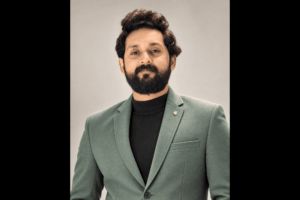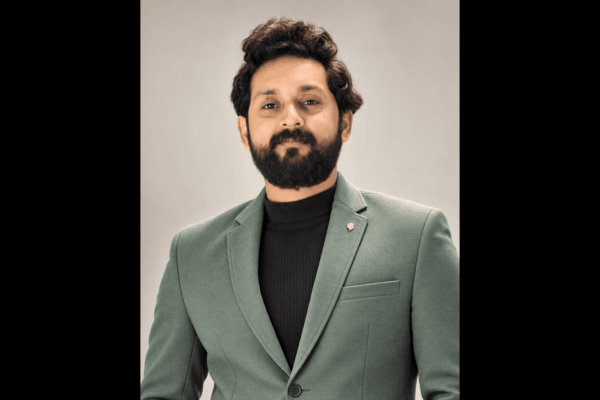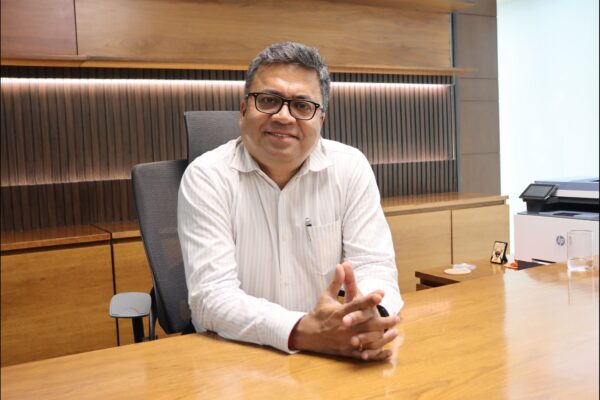
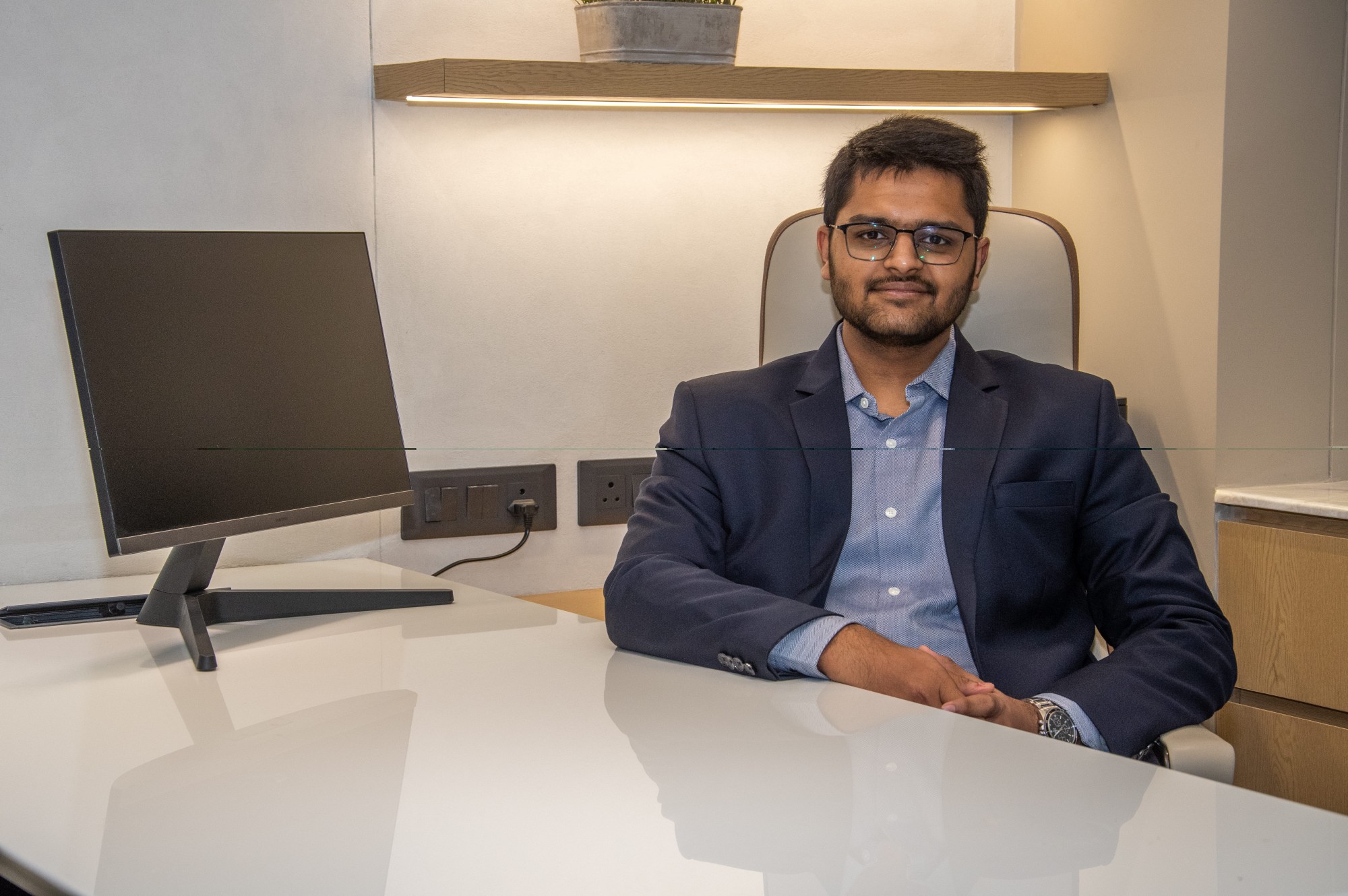
Interview: Harsh Bagadia, Director, Grace Renewable Energy

India’s renewable energy sector is entering a new era of growth. How do you view the industry’s current trajectory, and what will be the key drivers of growth over the next five years?
India’s renewable energy sector has moved from policy-led growth to demand-led growth. Solar is now among the cheapest sources of new power, and the conversation has shifted from simply adding capacity to making that power reliable and available when it is needed. Over the next five years, I see three main drivers. First, falling costs of solar modules and batteries. Second, rising electricity demand from industry, data centres, cooling and electric mobility. Third, the growing need for storage to keep the grid stable as renewable share increases. Solar combined with battery energy storage will form the backbone of this next phase, and the companies that can deliver both with quality and consistency will lead the market.
Which recent government policies and regulatory reforms have had the greatest impact on the renewable energy sector, and what additional measures would further accelerate India’s energy transition?
Several initiatives have made a real difference. The PLI scheme and ALMM have encouraged domestic manufacturing, PM Surya Ghar and PM-KUSUM have widened solar adoption, and Viability Gap Funding for battery storage has opened the door for large-scale projects. Together, they have given investors and manufacturers the confidence to commit capital. To accelerate further, we need faster approvals and land clearances, quicker transmission build-out, and clear market frameworks for storage, including standard tariff structures and revenue models. Timely payments from distribution companies are equally important. Stable and predictable policy will matter as much as new incentives.
As domestic manufacturing gains momentum under the Make in India initiative, how is your organization strengthening local manufacturing, technology leadership, and global competitiveness?
We believe long-term competitiveness comes from building real capability at home. Our focus is on strengthening our domestic manufacturing and assembly base, maintaining high quality and safety standards, and investing in our engineering and technical teams. We also work closely with trusted global technology partners, so that we can bring proven solutions to Indian conditions rather than simply import and resell. The goal is to offer solar and battery storage products that are reliable, cost effective and bankable, and that can compete confidently in both Indian and international markets.
Technologies such as Energy Storage Systems (BESS), Green Hydrogen, Artificial Intelligence, and digital asset management are transforming the sector. Which innovations do you believe will have the greatest impact on the industry’s future?
In the near term, battery energy storage will have the greatest impact. It turns solar into a dispatchable resource, supports grid stability and helps customers lower their peak power costs. Improvements in cell chemistry, especially LFP, along with better safety systems and longer-duration options, will make storage even more attractive. AI and digital asset management will be the next layer of value. They help us predict performance, plan maintenance, extend battery life and reduce operating costs. Green hydrogen holds long-term promise, particularly for hard-to-abate sectors, but it will need more time and cost reduction before it scales.
With renewable capacity expanding rapidly, what are the biggest challenges related to grid integration, financing, project execution, and supply chain resilience, and how can the industry collectively address them?
The key challenges are grid congestion, delays in transmission, a high cost of capital for newer technologies, and continued dependence on imported cells and components. Storage can ease many grid issues by absorbing excess generation and supplying power during peak hours. On financing, bankable contracts, standardized documentation and a proven performance record will bring down risk and cost. On the supply chain, we must keep building local capacity while diversifying sources. None of this can be solved by one player alone. Closer coordination between developers, manufacturers, utilities, lenders and regulators is the way forward.
Sustainability and ESG have become central to business strategy. How is your organization integrating sustainability, decarbonization, and circular economy practices into its long-term growth plans?
For us, sustainability is the core of the business and not an add-on. Every solar and storage system we deliver helps customers reduce their carbon footprint. Within the company, we focus on responsible sourcing, safe operations, efficient use of resources and good governance. We are also giving attention to the full battery life cycle, including recycling and second-life applications, so that valuable materials stay in use and waste is minimized. As the battery market grows in India, a circular approach will be essential, and we want to be prepared for it from the beginning.
What emerging market opportunities do you foresee in India’s renewable energy landscape, and which segments do you believe will witness the strongest investment and innovation over the next few years?
I see strong opportunity in utility-scale and standalone battery storage, solar plus storage for commercial and industrial customers, and rooftop solar with batteries for homes. Storage for data centers, EV charging infrastructure and telecom will also grow quickly, as will round-the-clock renewable power and grid support services. These segments will attract the most investment and innovation because they solve practical problems: high power costs, unreliable supply and the need for cleaner energy. Companies that understand customer needs and offer complete, well-supported solutions will have a clear advantage.
As the industry prepares for REI Expo 2026, what key innovations, collaborations, and market trends do you expect to define this year’s event, and what message would you like to share with the renewable energy fraternity?
I expect REI Expo 2026 to be shaped by battery storage, hybrid solar-plus-storage projects, smarter digital tools and stronger domestic manufacturing. We will also see more partnerships across the value chain, from technology and finance to project delivery, which is exactly what the industry needs at this stage. My message to the renewable energy fraternity is simple. Let us keep quality, safety and trust at the centre of everything we do. India has a real opportunity to lead the global energy transition, and if we grow together, we can make it happen.