Envisioning Viksit Bharat 2047- Bharat Beyond Boundaries

Powered by record investments and transformative projects, India’s infrastructure sector is emerging as the cornerstone of the country’s growth story. As the nation builds for tomorrow, infrastructure has become the driving force behind India’s journey towards prosperity, resilience, and global prominence
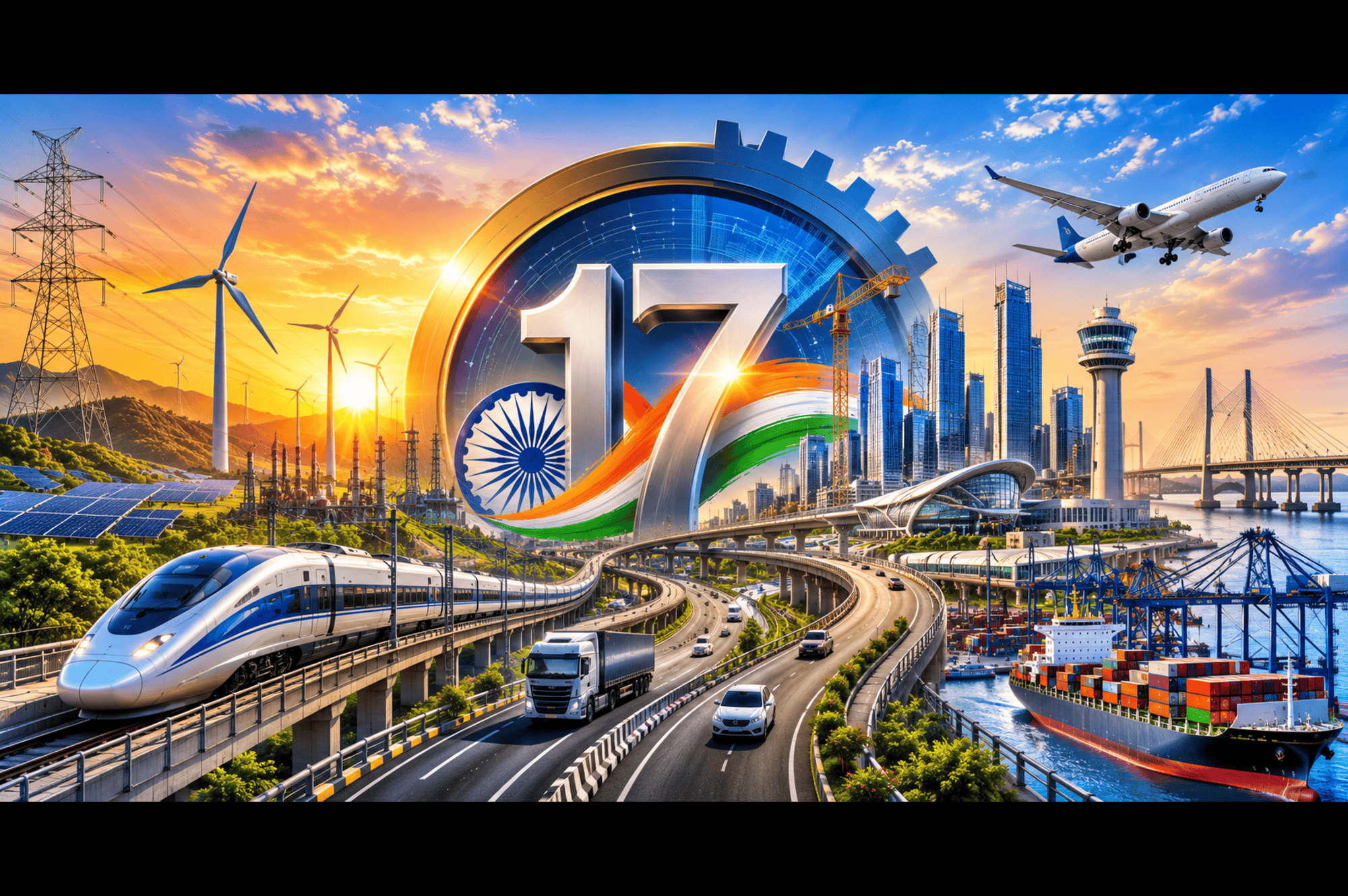
India’s infrastructure story is entering a transformative phase, driven by the vision of Viksit Bharat 2047, the Government of India’s long-term roadmap for building a developed nation by the centenary of independence. From expressways and high-speed rail corridors to modern airports, logistics hubs, smart cities, and digital networks, infrastructure has emerged as the backbone of economic growth and national competitiveness. The agenda seeks not only to expand physical assets but also to create a more connected, efficient, and inclusive India capable of supporting the aspirations of a growing population and a rapidly evolving economy.
In recent years, large-scale public investment has accelerated the pace of infrastructure development across sectors. Landmark initiatives such as the National Infrastructure Pipeline, PM Gati Shakti, Bharatmala, Sagarmala, and the modernization of railways have reshaped the development landscape. These projects are reducing travel time, improving connectivity between production and consumption centres, and strengthening India’s position as a global manufacturing and investment destination. The emphasis on integrated planning and technology-driven execution reflects a shift from fragmented development to a more coordinated and future-ready infrastructure framework.
The Transformative Phase
The last five years have marked a defining period for India’s infrastructure sector, transforming it from a traditional public works domain into one of the strongest engines of economic growth. Since 2020, infrastructure has occupied a central position in the country’s development strategy, supported by initiatives such as the National Infrastructure Pipeline (NIP), PM Gati Shakti, Bharatmala, Sagarmala, Dedicated Freight Corridors, Smart Cities Mission, and large-scale renewable energy programmes. The emphasis on infrastructure-led growth has resulted in record public capital expenditure, stronger private sector participation, and accelerated project execution across transportation, energy, urban development, and digital infrastructure.
A key indicator of this transformation has been the sharp increase in government capital expenditure. Annual central capital expenditure has risen from approximately ₹4.4 lakh crore in FY20 to over ₹11 lakh crore in FY25, representing a growth of more than 150 percent within five years. Infrastructure spending now accounts for over 3 percent of India’s GDP, reflecting the government’s commitment to creating long-term productive assets. Simultaneously, the National Infrastructure Pipeline has expanded to include more than 9,000 projects across 34 sub-sectors, with investments running into hundreds of billions of dollars. This sustained investment momentum has significantly contributed to employment generation, industrial output, steel and cement demand, and overall economic activity.
Roads and Highways: The Largest Growth Driver
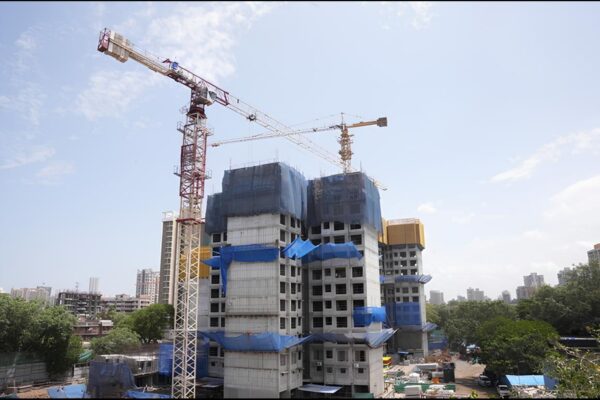
Among all infrastructure segments, roads and highways have emerged as the single largest demand and growth driver. Nearly 40 percent of ongoing infrastructure investments are linked to transportation projects, with roads accounting for the largest share. The national highway network has expanded substantially, supported by flagship programmes such as Bharatmala Pariyojana and various expressway projects. The construction of economic corridors, access-controlled highways, and multimodal logistics networks has reduced travel time, improved freight efficiency, and strengthened connectivity between industrial centres, ports, and consumption markets.
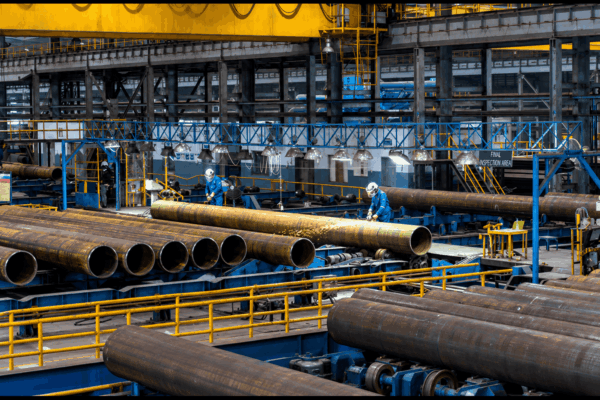
The roads sector has also generated significant multiplier effects for allied industries such as cement, steel, construction equipment, logistics, and real estate. As a result, it remains the most influential segment in India’s infrastructure ecosystem.
Railways: Modernisation at an Unprecedented Scale
The railway sector has witnessed one of the largest investment cycles in its history. Capital allocation for railways has increased sharply, enabling rapid electrification, station redevelopment, freight corridor construction, safety upgrades, and the expansion of semi-high-speed train services. More than 99 percent of the broad-gauge network has been electrified, while dedicated freight corridors are enhancing logistics efficiency and reducing transportation costs for industries. Railway modernisation has strengthened India’s supply chain competitiveness and reinforced its role as a manufacturing hub.
Energy Infrastructure: The Fastest Growing Segment
While roads remain the largest contributor, energy infrastructure has emerged as the fastest-growing segment. India has significantly expanded its renewable energy capacity through investments in solar parks, wind energy projects, green hydrogen initiatives, battery storage systems, and transmission infrastructure. The sector has attracted substantial domestic and international investment, positioning India among the world’s leading renewable energy markets. Growing electricity demand, industrial expansion, and decarbonisation goals are expected to sustain this momentum over the coming decade.
Airports, Ports and Urban Infrastructure
India’s aviation infrastructure has also experienced remarkable growth. The number of operational airports has increased significantly, improving regional connectivity and supporting tourism, trade, and business travel. Simultaneously, major investments in ports, inland waterways, logistics parks, metro rail systems, and smart city projects have strengthened urban mobility and freight movement.
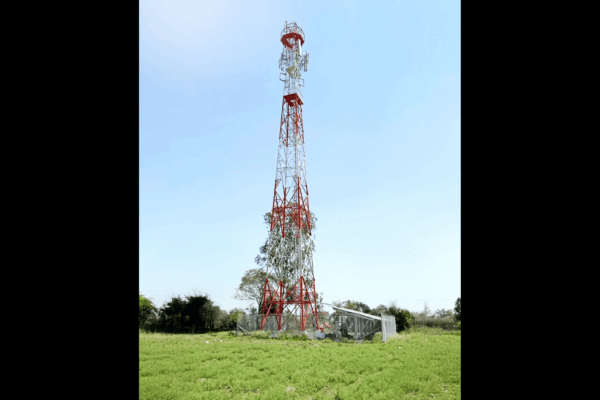
The digital infrastructure segment has emerged as another strategic growth area. Expansion of broadband connectivity, 5G networks, data centres, and digital public infrastructure has created a foundation for technology-led economic development, making digital infrastructure an increasingly important component of the broader infrastructure landscape.
Key Projects Reshaping India’s Infra Space
India’s infrastructure transformation is being backed not only by an ambitious project pipeline but also by record levels of public investment. Over the past five years, the government has consistently increased capital expenditure to accelerate the creation of roads, railways, airports, ports, logistics hubs, urban infrastructure, and energy assets. Central government capital expenditure has risen from approximately ₹4.4 lakh crore in FY20 to ₹11.21 lakh crore in FY26, representing one of the largest infrastructure investment cycles in the country’s history. Infrastructure creation now forms the core of India’s economic development strategy, with public spending being used as a catalyst to attract private and foreign investment into critical sectors.
At the centre of this transformation lies the PM Gati Shakti National Master Plan, a landmark initiative that integrates infrastructure planning across multiple ministries through a digital platform. The programme seeks to connect roads, railways, ports, airports, industrial corridors, logistics parks, power infrastructure, and urban development projects into a single coordinated framework. By reducing project overlaps and improving inter-ministerial coordination, PM Gati Shakti is expected to significantly reduce logistics costs and improve supply chain efficiency. The initiative complements the government’s broader goal of developing world-class multimodal infrastructure capable of supporting a $30 trillion economy by 2047.
The road and highway sector continues to receive the largest share of infrastructure investments. Budgetary allocations for highways have consistently remained among the highest across ministries, reflecting the government’s focus on connectivity-led development. Massive projects such as the Delhi–Mumbai Expressway, Bengaluru–Chennai Expressway, Amritsar–Jamnagar Economic Corridor, Ganga Expressway, and several greenfield expressways are transforming freight movement and regional connectivity. These projects are part of the broader Bharatmala Pariyojana, which aims to create an extensive network of economic corridors, border roads, coastal roads, and feeder routes. Roads and highways account for the largest share of transportation infrastructure investments and continue to act as the primary demand driver for sectors such as cement, steel, construction equipment, and logistics. Recent budget allocations for the road transport and highways sector have remained above ₹2.7 lakh crore annually, highlighting the government’s continued commitment to expanding the national highway network.
The railway sector is witnessing perhaps the most extensive modernisation programme in its history. Indian Railways has received a gross budgetary support of approximately ₹2.52 lakh crore, one of the highest allocations ever provided to the sector. Investments are being channelled into Dedicated Freight Corridors, network expansion, station redevelopment, electrification, signalling upgrades, rolling stock modernisation, and the introduction of semi-high-speed rail services. Major projects such as the Eastern and Western Dedicated Freight Corridors, Mumbai–Ahmedabad High-Speed Rail Corridor, redevelopment of over a thousand railway stations, and expansion of Vande Bharat services are expected to significantly enhance capacity and efficiency. Near-complete electrification of the broad-gauge network and large-scale freight infrastructure investments are also helping reduce logistics costs while improving sustainability.
India’s aviation infrastructure is undergoing a similar transformation. The construction of the Noida International Airport (Jewar), expansion of major metropolitan airports, and development of regional airports under the UDAN scheme are increasing aviation capacity across the country. The airport development programme is expected to support growing passenger traffic, cargo movement, tourism, and business travel. Simultaneously, major investments are being made in airport-linked urban development, logistics facilities, and multimodal transportation systems that integrate air travel with road and rail networks.
The maritime sector is being reshaped through the Sagarmala Programme, which focuses on port modernisation, port-led industrialisation, coastal connectivity, and logistics efficiency. Investments in deep-water ports, container terminals, multimodal logistics parks, inland waterways, and dedicated freight connectivity are enhancing India’s competitiveness in global trade. Port capacity expansion and improved hinterland connectivity are expected to reduce logistics costs and strengthen India’s position as a manufacturing and export hub.
Urban infrastructure represents another major investment area. Metro rail systems are being expanded across multiple cities, while smart city projects are introducing intelligent transportation systems, digital governance platforms, modern utility networks, and sustainable urban infrastructure. These initiatives are aimed at accommodating rapid urbanisation while improving quality of life and economic productivity in urban centres.
The energy infrastructure sector is emerging as the next major frontier of growth. India is investing heavily in utility-scale solar parks, wind energy projects, transmission networks, battery storage systems, and green hydrogen infrastructure. Renewable energy projects in Rajasthan, Gujarat, Tamil Nadu, and other states are creating some of the world’s largest clean energy ecosystems. Significant investments are also being directed towards grid modernisation and interstate transmission corridors to support the integration of renewable power into the national electricity network.
Complementing these initiatives are large-scale industrial corridor projects such as the Delhi–Mumbai Industrial Corridor (DMIC), Chennai–Bengaluru Industrial Corridor, Amritsar–Kolkata Industrial Corridor, and several manufacturing clusters linked to Production Linked Incentive (PLI) schemes. These corridors integrate industrial townships, logistics hubs, transportation infrastructure, and utility services, creating globally competitive manufacturing ecosystems.
Together, these landmark projects and unprecedented budgetary commitments illustrate the scale of India’s infrastructure ambitions. With capital expenditure crossing ₹11 lakh crore annually and infrastructure receiving sustained policy support, the country is building a modern economic foundation that extends far beyond roads and bridges. The combined impact of these projects is expected to enhance connectivity, strengthen industrial competitiveness, attract investment, generate employment, and fundamentally reshape India’s economic landscape as it advances towards the vision of Viksit Bharat 2047.
The Public-Private Synergy
The scale of investment required to achieve the vision of Viksit Bharat 2047 necessitates a collaborative model where governments, infrastructure developers, financial institutions, technology providers, and investors work together to create world-class assets and modern economic infrastructure.
At the policy level, the Central Government has spearheaded the infrastructure push through initiatives such as PM Gati Shakti, the National Infrastructure Pipeline (NIP), Bharatmala Pariyojana, Sagarmala Programme, National Logistics Policy, Smart Cities Mission, and various renewable energy programmes. Public bodies including the National Highways Authority of India (NHAI), Indian Railways, Dedicated Freight Corridor Corporation of India Limited (DFCCIL), Airport Authority of India (AAI), National Industrial Corridor Development Corporation (NICDC), Power Grid Corporation of India, and various state infrastructure agencies have played a pivotal role in planning, funding, and monitoring large-scale projects across sectors.
Complementing these efforts are some of India’s leading infrastructure companies that have emerged as the backbone of project execution. Larsen & Toubro (L&T) remains one of the country’s largest engineering and construction companies, playing a crucial role in metro rail projects, expressways, airports, industrial infrastructure, smart cities, water projects, and renewable energy developments. The company has been involved in several flagship projects, including segments of the Mumbai Coastal Road, metro rail networks, and industrial corridor infrastructure.
The Adani Group has emerged as one of the most influential players in India’s infrastructure ecosystem. Through its presence across airports, ports, logistics, renewable energy, transmission networks, and data centres, the group has established itself as a key contributor to the country’s infrastructure expansion. Adani Ports operates several major ports across India and handles a significant share of the nation’s cargo traffic, while Adani Airport Holdings manages multiple airports that collectively serve millions of passengers annually.
Similarly, the Tata Group, through companies such as Tata Projects and Tata Power, has strengthened its footprint across transportation, industrial infrastructure, renewable energy, power transmission, water management, and urban development projects. Tata Projects has become a major engineering and construction partner in sectors ranging from metro rail systems and airports to industrial manufacturing facilities and power infrastructure.
The Reliance Group, particularly through Reliance Industries and Reliance Jio, has played a transformative role in building India’s digital infrastructure. Investments in telecom networks, fibre connectivity, digital platforms, and data infrastructure have significantly strengthened the country’s digital ecosystem. The rise of digital infrastructure has become increasingly important as India integrates physical infrastructure with technology-driven services.
In the transportation and road development sector, companies such as IRB Infrastructure Developers, Ashoka Buildcon, PNC Infratech, Dilip Buildcon, NCC Limited, HG Infra Engineering, and KNR Constructions have been instrumental in executing national highway projects, expressways, bridges, and urban infrastructure works. Their participation through Public-Private Partnership (PPP), Hybrid Annuity Model (HAM), and EPC contracts has accelerated project delivery across the country.
The airport sector has witnessed significant private participation through organisations such as GMR Group and GVK Group, which pioneered private airport development in India. While GMR continues to operate major airport assets and has expanded its presence in aviation infrastructure, private operators collectively have transformed airport management by introducing international standards in passenger services, technology integration, and operational efficiency.
In the renewable energy sector, private companies including Adani Green Energy, Tata Power Renewable Energy, ReNew Energy Global, Greenko, JSW Energy, and NTPC Green Energy are spearheading India’s clean energy transition. These organisations are investing heavily in utility-scale solar parks, wind energy projects, battery storage systems, and emerging green hydrogen ecosystems. Their investments are helping India move towards its long-term sustainability and energy security goals while creating one of the world’s fastest-growing renewable energy markets.
Financial institutions and investors form another crucial pillar of the infrastructure ecosystem. Public sector banks, private banks, infrastructure finance companies, pension funds, sovereign wealth funds, and multilateral agencies provide the long-term capital required for infrastructure development. Organisations such as the National Bank for Financing Infrastructure and Development (NaBFID), along with Infrastructure Investment Trusts (InvITs), have expanded financing avenues and attracted greater private investment into infrastructure assets.
Technology and consultancy firms are also playing an increasingly important role in modern infrastructure development. Companies such as Tata Consulting Engineers, AECOM, WSP, Jacobs, and various digital solution providers contribute expertise in project design, engineering, digital monitoring systems, smart city solutions, and sustainable infrastructure planning. Their involvement is helping improve project efficiency, reduce execution risks, and integrate advanced technologies into infrastructure operations.
The success of India’s infrastructure agenda is therefore not the result of government action alone. It is the outcome of a dynamic partnership between public institutions and private stakeholders. Government agencies provide strategic direction and policy support, while private companies bring investment, technical expertise, innovation, and execution capabilities. Together, organisations such as L&T, Adani Group, Tata Projects, Reliance Industries, GMR Group, IRB Infrastructure, Ashoka Buildcon, ReNew Energy, Greenko, JSW Energy, and numerous others are helping create the roads, railways, airports, ports, logistics networks, renewable energy systems, and digital infrastructure that will shape India’s economic future. This collaborative development model is likely to remain the cornerstone of India’s infrastructure growth as the country advances towards its aspiration of becoming a developed nation by 2047.
Bottlenecks and the Road Ahead
Despite remarkable progress, India’s infrastructure sector continues to face several challenges that could influence the pace and efficiency of future development. Land acquisition remains one of the most significant bottlenecks, often leading to project delays and cost overruns. Regulatory approvals, environmental clearances, financing constraints for large-scale projects, and coordination challenges among multiple stakeholders can further slow project execution. Rising construction costs, supply chain disruptions, and a shortage of skilled manpower in certain segments also present operational hurdles. Additionally, ensuring timely completion and maintenance of infrastructure assets remains a critical concern as project scales continue to expand.
Looking ahead, India’s infrastructure outlook remains highly promising. The Government’s sustained focus on capital expenditure, coupled with increasing private sector participation and foreign investment is expected to drive the next phase of growth. Emerging sectors such as renewable energy, green hydrogen, electric mobility infrastructure, data centres, smart cities, and multimodal logistics networks are likely to attract significant investments over the coming decade. The successful implementation of PM Gati Shakti, industrial corridors, and integrated logistics systems could further enhance productivity and reduce logistics costs, strengthening India’s competitiveness on the global stage.
As the country progresses towards the vision of Viksit Bharat 2047, infrastructure will remain the foundation of economic transformation. The ability to address existing bottlenecks while accelerating project execution, fostering innovation, and promoting sustainable development will determine how effectively India converts its infrastructure ambitions into long-term economic and social prosperity. The coming years are expected to witness not just the expansion of infrastructure assets, but the creation of a more connected, resilient, and future-ready nation.
Tags