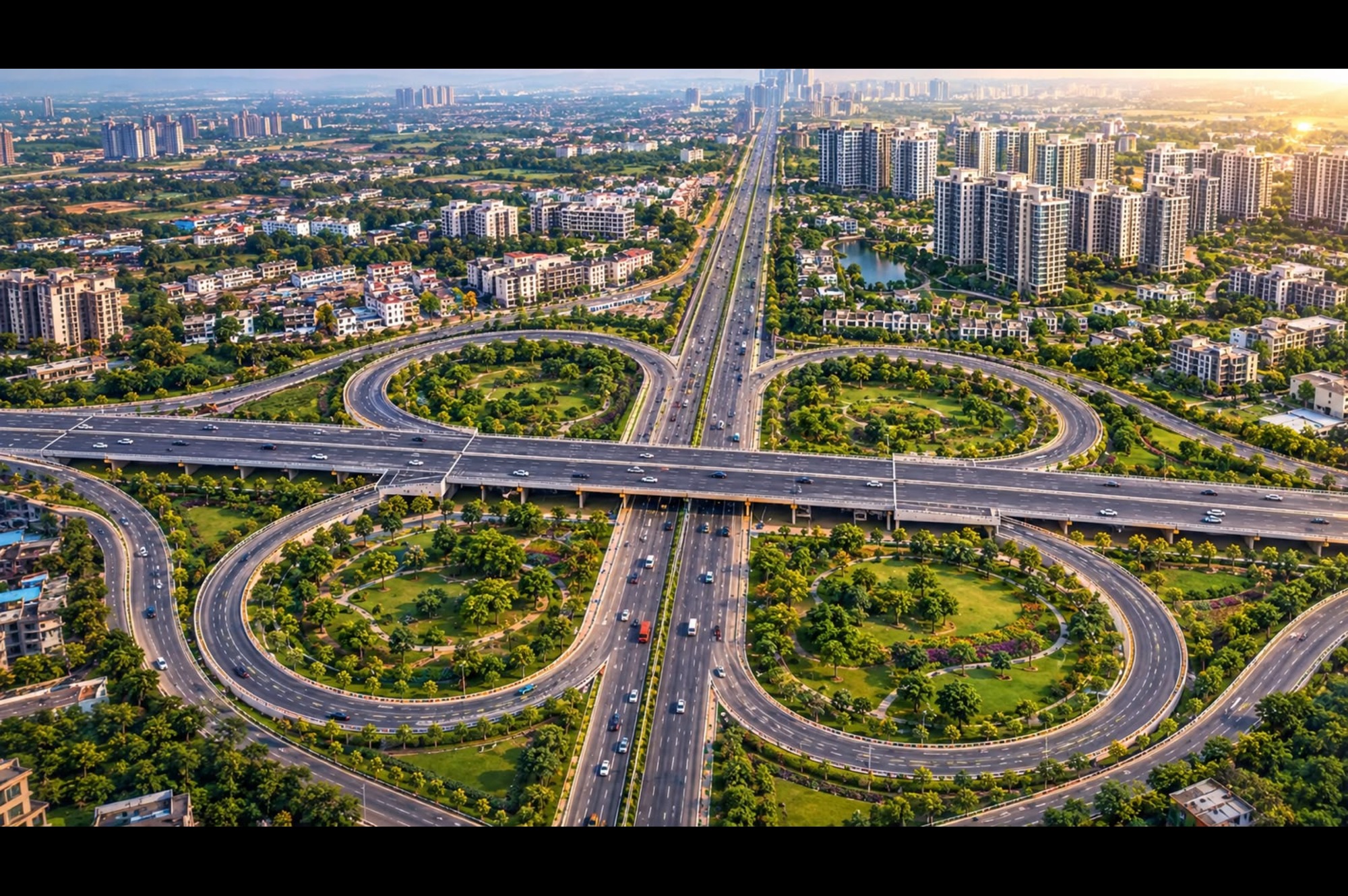
Dwarka Expressway: Gurugram’s Emerging Residential Growth Corridor

by Santosh Agarwal, Executive Director & CFO, Alpha Corp Development
Gurugram has steadily evolved into one of India’s most dynamic real estate markets, driven by sustained infrastructure investment, expanding employment opportunities and rising demand for premium housing. While the city has long been recognised as a commercial and corporate hub, its next phase of growth is increasingly being defined by infrastructure-led residential development. At the centre of this transformation is the Dwarka Expressway, which has rapidly evolved from a peripheral connectivity project into one of NCR’s most sought-after residential corridors.
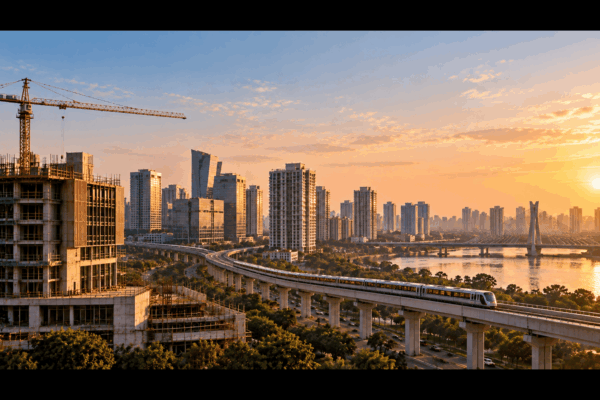
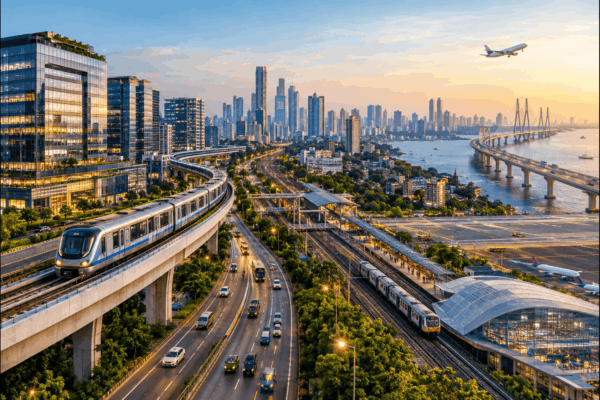
The transformation of the corridor is not the result of a single infrastructure project but the convergence of multiple connectivity upgrades. The operationalisation of the Dwarka Expressway, complemented by NH-48, the upcoming Gurugram Metro extension, seamless connectivity to Delhi and proximity to Indira Gandhi International Airport, has fundamentally enhanced the residential appeal of Gurugram. Together, these projects have significantly reduced travel time between residential neighbourhoods and major employment hubs while improving access to key business districts across NCR.
This infrastructure-led growth is already visible in market performance. Nearly 50 per cent of Gurugram’s residential launches in 2025 were concentrated in peripheral markets, with the Dwarka Expressway alone accounting for nearly 27 per cent of new residential supply. Once an emerging corridor, it has become one of the city’s strongest residential growth engines, backed by robust infrastructure, planned urban expansion, and sustained end-user demand.
Infrastructure Beyond Connectivity
The Dwarka Expressway’s success extends beyond improved mobility. Increasingly, infrastructure is creating integrated residential ecosystems where connectivity, commercial activity and social infrastructure reinforce each other to enhance overall liveability.
One of the corridor’s strongest advantages is its strategic location between Delhi and Gurugram’s established commercial hubs. Residents benefit from seamless access to Cyber City, Udyog Vihar, Golf Course Road, Golf Course Extension Road, NH-48 and the rapidly expanding office districts of Gurugram, while Indira Gandhi International Airport remains within convenient reach. This proximity enables professionals to significantly reduce commute times while enjoying access to premium residential environments.
Simultaneously, the corridor is witnessing rapid growth in supporting social infrastructure. New educational institutions, healthcare facilities, organised retail destinations, hospitality developments and recreational spaces are steadily transforming the area into a self-sufficient urban ecosystem. Government investments in civic infrastructure, including road widening, utility upgrades, sewerage networks and the planned metro expansion, are further strengthening the corridor’s long-term residential potential. Together, these developments are creating an environment where connectivity is complemented by quality urban infrastructure, making the corridor increasingly attractive for end-users rather than purely speculative investment.
Emerging Micro-Markets Powering the Next Growth Phase
Within the Dwarka Expressway corridor, Sectors 103 and 112 are emerging as some of the most promising residential micro-markets. Strategically located near the Delhi border, these sectors offer seamless connectivity to Dwarka, IGI Airport, NH-48 and Gurugram’s key commercial districts, making them well-positioned for sustained residential growth.
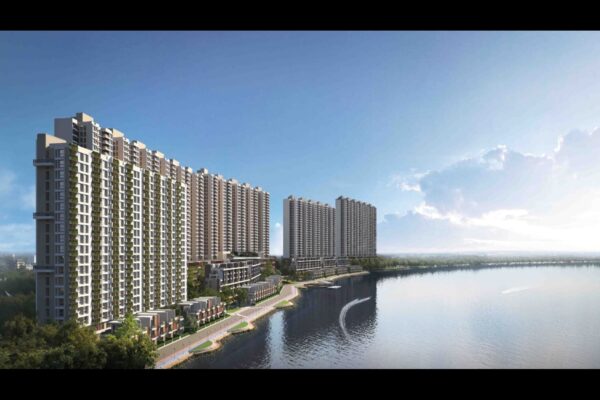
Unlike mature locations where land availability has become increasingly limited, these sectors continue to offer opportunities for large-scale planned developments. Wider roads, organised sector planning, integrated township developments, landscaped open spaces and modern civic infrastructure are enabling developers to create holistic residential communities that cater to evolving buyer aspirations.
As commercial activity expands across Gurugram and employment centres continue to grow, residential demand is naturally gravitating towards well-connected locations that offer both convenience and future appreciation potential. Sectors 103 and 112 exemplify this shift. They are heavily attracting end-users seeking superior lifestyle offerings, as well as investors looking to participate in one of Gurugram’s fastest-evolving residential corridors.
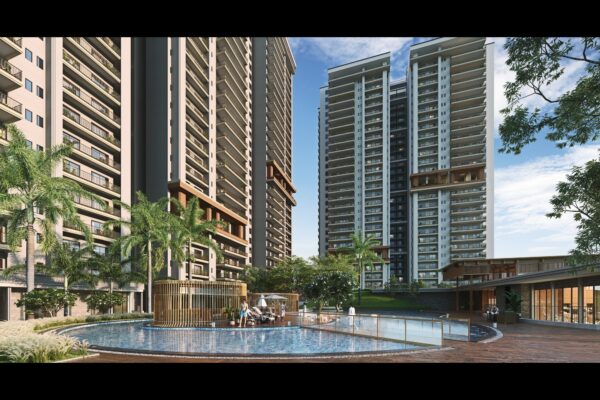
The growing maturity of these micro-markets is also encouraging the development of premium residential communities featuring larger homes, integrated amenities and environment-friendly planning. Rather than functioning as standalone residential clusters, these locations are evolving into complete urban neighbourhoods where connectivity, lifestyle and infrastructure converge.
The Road Ahead
Dwarka Expressway’s evolution shows how integrated infrastructure investment can reshape residential real estate. Connectivity remains the primary catalyst, but its true impact lies in creating sustainable urban ecosystems that blend residential communities with commercial centres, social infrastructure and modern civic amenities. As Gurugram continues investing in metro connectivity, road upgrades and public utilities, the corridor is set to remain at the forefront of the city’s residential expansion. Its strategic location, strengthening infrastructure network and emerging micro-markets together position it as one of NCR’s most significant long-term residential growth corridors.
Going forward, its growth story will be defined not by connectivity alone, but by its evolution into a well-planned urban destination offering enduring value for homebuyers and investors alike.
Tags