Beyond Buildings: Why Integrated Townships Are Becoming India’s Blueprint for Sustainable Urban Growth

by Sanjith Nambiar, Chief Sales and Marketing officer, Nambiar Builders
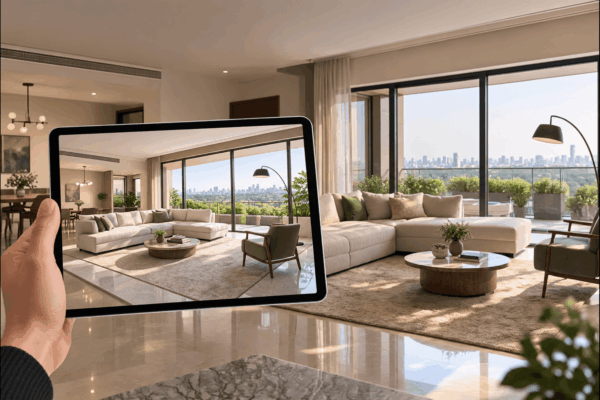
India’s rapid urbanisation is fundamentally changing the way people think about housing. The home of the future is no longer defined simply by the size of an apartment, the quality of construction or the amenities within a residential complex. Increasingly, homebuyers are looking for a complete ecosystem, one that brings together homes, green spaces, recreation, health, social infrastructure, convenience and connectivity. This is where integrated townships are emerging as an important model for India’s next phase of urban growth.
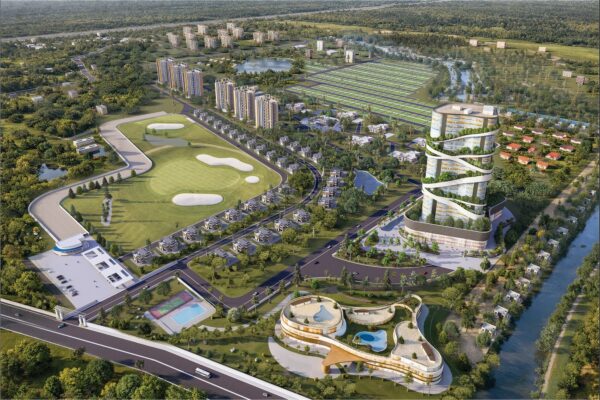
Unlike conventional residential developments that focus primarily on housing, integrated townships are planned as self-sufficient communities. They bring multiple aspects of everyday life together within a carefully designed master plan. Residential spaces are complemented by retail, recreation, sports, landscaped open spaces, community facilities and in many cases, commercial and workspaces. This integrated approach can reduce the need for frequent long-distance travel, create more walkable communities and make better use of urban infrastructure.
The sustainability advantage is equally significant. As cities become denser, preserving open spaces, improving biodiversity and managing resources responsibly are becoming essential rather than optional. Integrated townships can incorporate these considerations from the planning stage itself through larger green areas, native landscaping, pedestrian-friendly internal networks, rainwater management, waste management, energy-efficient infrastructure and better utilisation of common resources. Sustainability, therefore, moves beyond isolated green features to become part of the overall design philosophy.
There is also a strong social dimension to this evolution. Urban life can often become increasingly individualistic, despite people living in close proximity. Integrated communities can help address this by creating shared spaces that encourage interaction across age groups. Parks, sports facilities, cultural spaces, walking trails, community plazas and recreational areas provide opportunities for residents to connect organically. In this sense, a township is not merely a collection of homes, it becomes a platform for building a community.
The concept also aligns closely with the changing expectations of India’s younger homebuyers. Convenience is increasingly being measured in terms of time saved and experiences enabled. The idea of a “15-minute” lifestyle, where many daily needs can be accessed within a short distance is becoming increasingly relevant as cities grapple with longer commuting times.
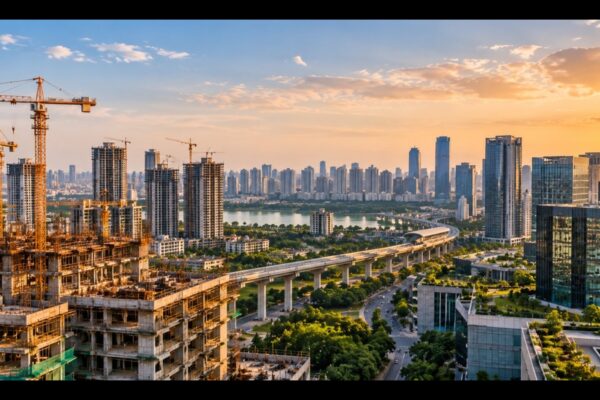
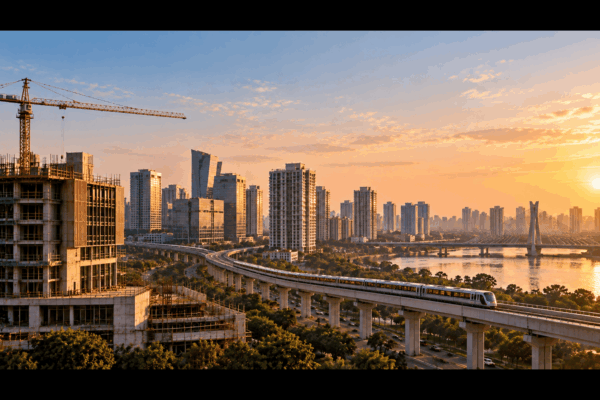
Integrated townships can also contribute to more resilient urban expansion. Instead of allowing cities to grow in an unplanned, fragmented manner, large-scale developments can establish infrastructure, mobility networks, green zones and community facilities in a coordinated manner. This can create a more structured framework for growth, particularly along emerging urban corridors where residential development is expanding rapidly.
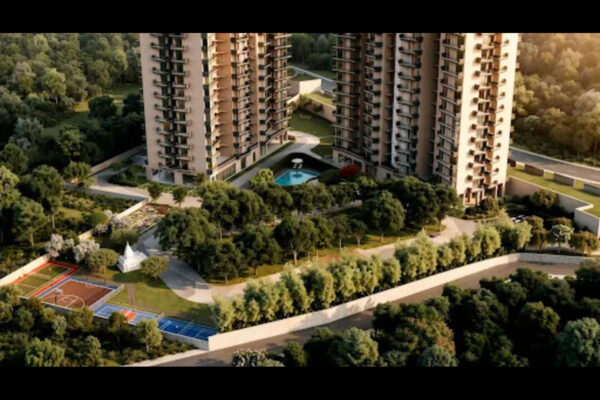
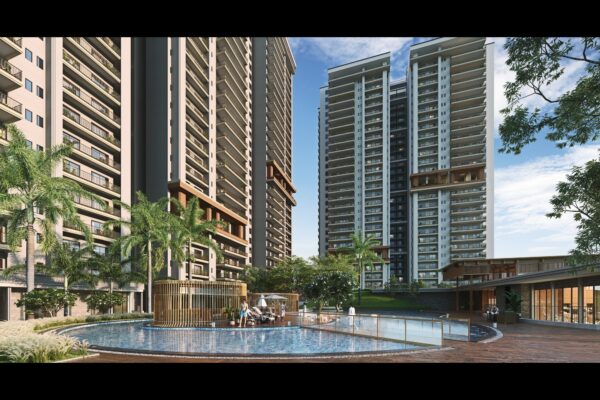
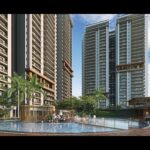
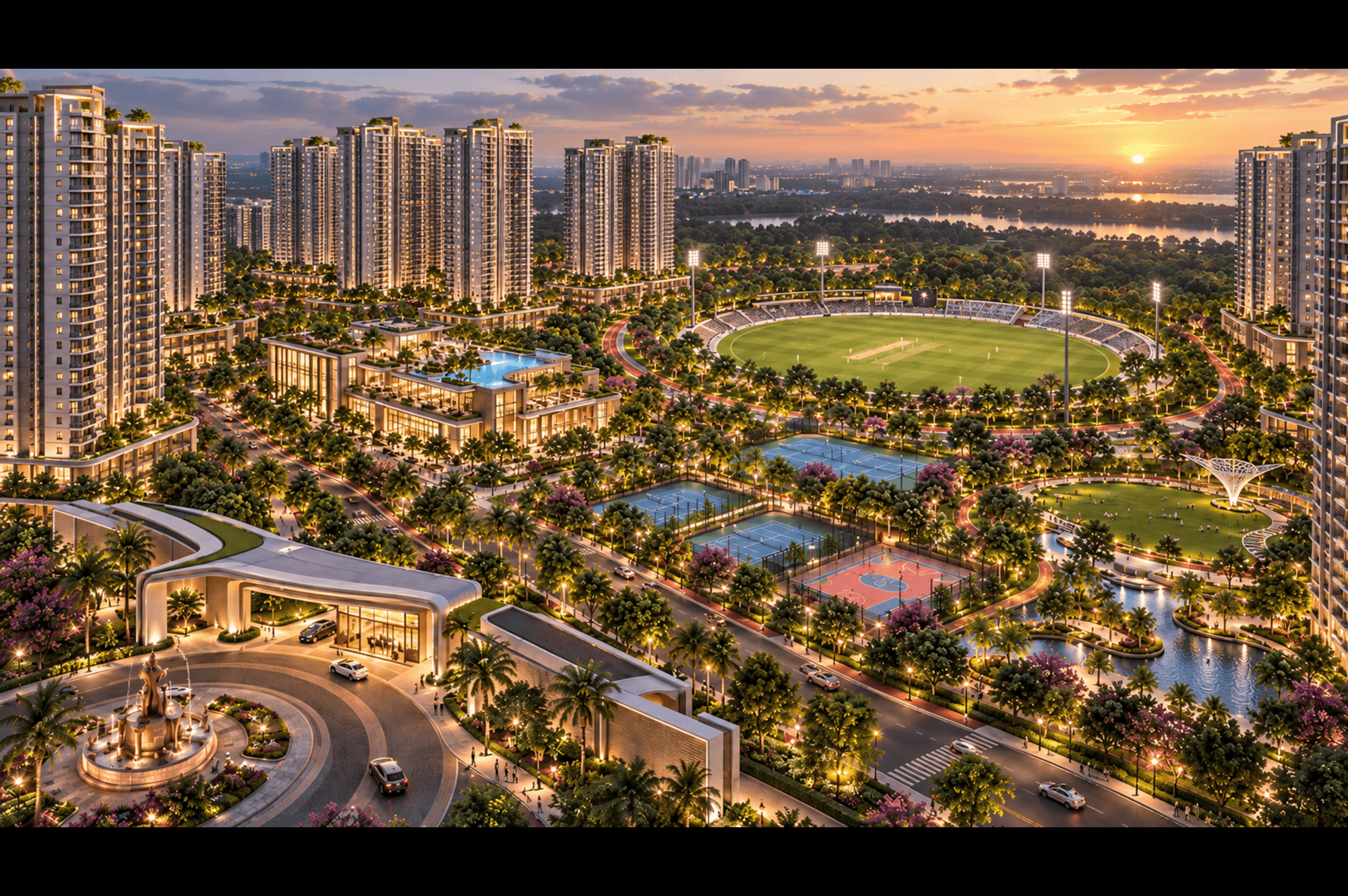
Our integrated township project in Bengaluru reflects this broader evolution in residential development. This township off Sarjapur Road, brings together high-rise residences, extensive landscaped spaces, recreation, sports and community infrastructure within a larger master-planned environment. The project incorporates more than 40% untouched Mother Earth and proposed planting of over 3,500 native trees, reflecting an emphasis on bringing nature into the urban living experience.
The recent launch of phase 3 further expands this idea through a dedicated Sports District spread across 20 acres, featuring facilities including a FIFA-sized football pitch, tennis and badminton courts, beach volleyball and other recreational spaces. The intent is to make active living an integral part of the community rather than an occasional amenity.
What makes this approach more relevant is the understanding that sustainable urban living is not only about reducing environmental impact. It is also about creating communities that are healthier, more connected, convenient and resilient over the long term. Green spaces can support biodiversity and improve the quality of the immediate environment, while thoughtfully planned social and recreational infrastructure can support physical and mental well-being.
For developers, this represents a shift from building individual projects to creating long-term urban ecosystems. For homebuyers, it represents a shift from buying an apartment to investing in a lifestyle and community. And for cities, integrated townships can offer a more coordinated model of accommodating population growth while balancing infrastructure, environment and quality of life.
India’s urban future will undoubtedly require more homes, but the larger question is what kind of urban environments those homes will create. Integrated townships offer one compelling answer: cities where development is planned holistically, nature is considered alongside construction, mobility is designed alongside habitation and community is treated as an essential part of the urban experience.
The future of Indian real estate, therefore, may well move beyond the idea of just building more buildings to building better places to live. Integrated townships have the potential to become an important blueprint for achieving that balance, bringing together growth, sustainability, convenience and community to create urban environment that are not only built for today, but prepared for the generations and future ready.
Tags