Anchoring India’s Maritime Future: How the India–Japan Partnership Can Power India’s 1,000-Ship Ambition

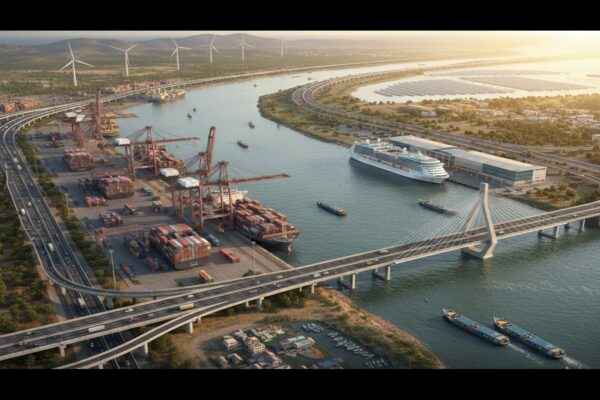
As India strengthens its position as a leading maritime nation, strategic international partnerships are becoming increasingly important in translating long-term ambitions into tangible outcomes. The recently announced India–Japan Energy Resilience Partnership marks a significant step in this direction, opening new avenues for collaboration in shipbuilding, maritime infrastructure, energy transportation and logistics. For India’s maritime sector, the partnership arrives at a time when the country is pursuing one of its most ambitious goals yet – building a 1,000-ship national fleet while emerging as a global hub for shipbuilding and maritime services.
The Indo-Pacific has become the world’s most important maritime corridor, carrying nearly two-thirds of global seaborne trade and a substantial share of global energy shipments. As geopolitical tensions, supply chain disruptions and rising energy demands reshape international trade, resilient maritime infrastructure is no longer just an economic requirement, it has become a strategic imperative.
Against this backdrop, the India–Japan Energy Resilience Partnership goes beyond strengthening bilateral energy ties. Through the establishment of a Joint Working Group on Petroleum and Natural Gas and a dedicated LNG Stockpiling Task Force, both countries have signalled their intent to deepen cooperation across the maritime energy value chain. The agreement reflects a broader convergence between two trusted partners that have consistently collaborated across infrastructure, manufacturing, technology and logistics.
At the core of this expansion is the growing importance of LNG transportation, as India’s rising natural gas consumption will require greater indigenous capability in specialised LNG carriers and maritime logistics. This is where Japan’s expertise offers immense strategic value. As one of the world’s pioneers in LNG shipping and terminal infrastructure, Japan brings decades of experience in designing, financing and operating sophisticated LNG vessels. Combined with India’s expanding manufacturing ecosystem and shipbuilding ambitions, the partnership creates an opportunity to accelerate technology transfer, strengthen domestic capability and develop globally competitive maritime infrastructure.
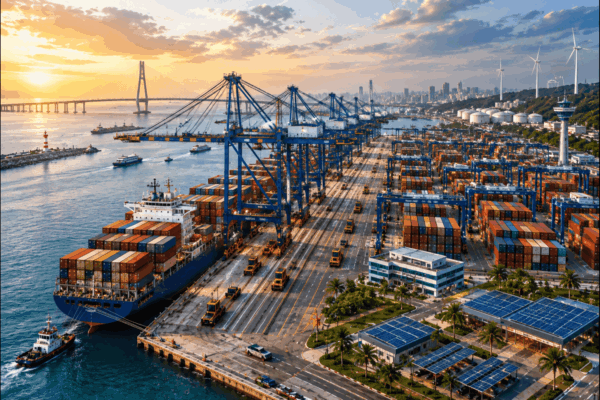
Japan’s global leadership in port automation, operational efficiency and integrated logistics can complement India’s infrastructure development while helping establish globally benchmarked standards across ports and maritime operations. Greater collaboration between Indian shipbuilders, maritime engineering companies, technology providers and Japanese shipping firms could also strengthen supply chains capable of serving both domestic and international markets.
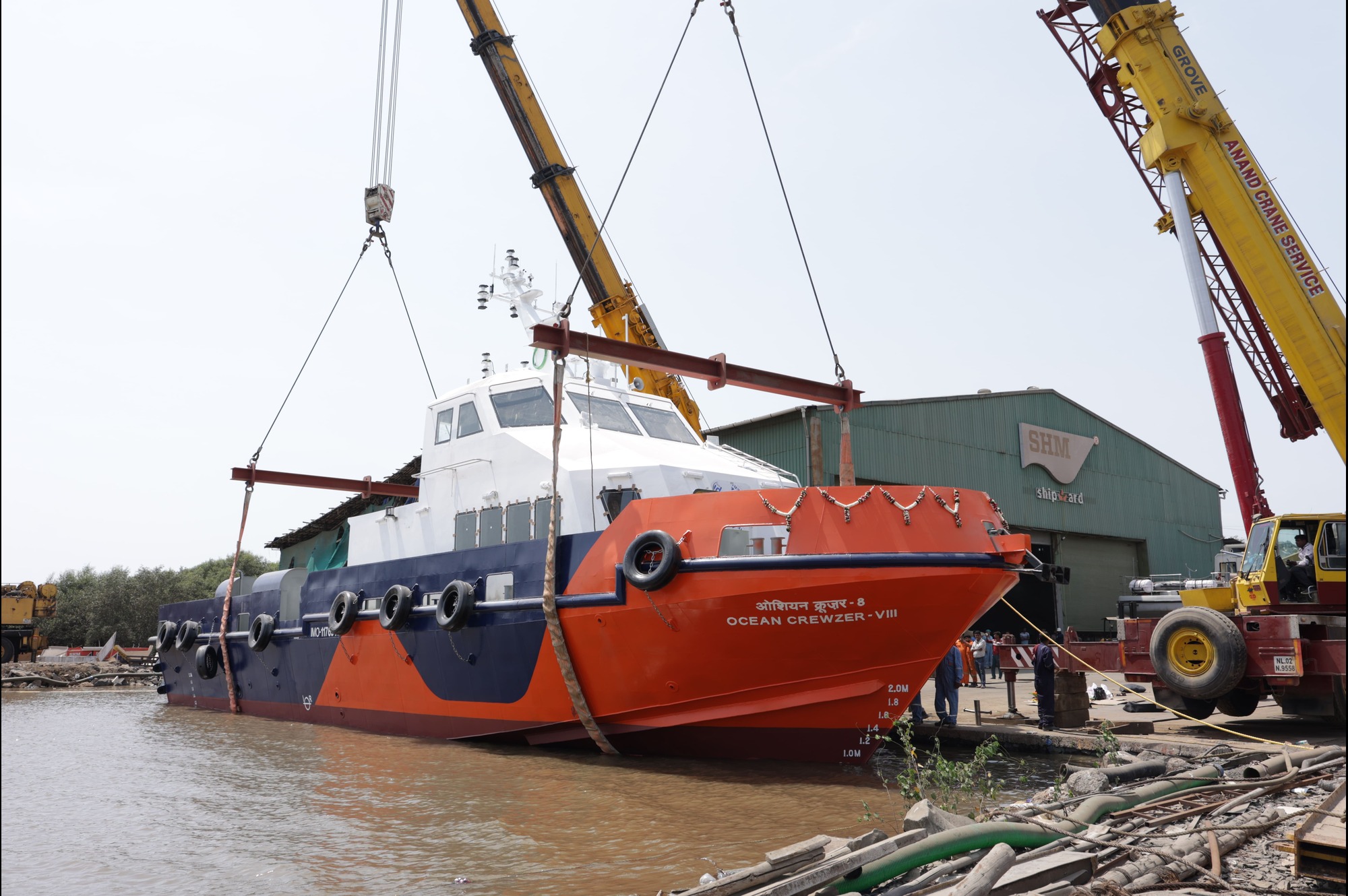
According to Aliasgar Hajee, CEO – Ship Building and Ship Management, SHM Shipcare, the partnership has the potential to redefine India’s maritime growth trajectory. “India’s ambition to build a 1,000-ship fleet is about far more than expanding shipping capacity. It represents an opportunity to build a globally competitive maritime ecosystem encompassing shipbuilding, advanced engineering, skilled talent and resilient supply chains. Japan’s expertise in LNG shipping, maritime technology and infrastructure development perfectly complements India’s scale and industrial aspirations. By combining these strengths, both countries can accelerate capability development while reinforcing energy security and strengthening the Indo-Pacific’s maritime resilience.”
The significance of the India–Japan partnership extends beyond bilateral cooperation. Both countries are among Asia’s largest energy-importing economies and share a common interest in ensuring secure sea lanes, diversified supply chains and sustainable maritime growth. As global trade continues to evolve, strategic partnerships that combine technology, financing and industrial capability will become increasingly critical.
India’s 1,000-ship ambition is not simply about increasing the number of vessels flying the national flag. It represents a broader vision of creating a self-reliant maritime economy capable of supporting global trade, strengthening energy security and positioning India as a preferred destination for shipbuilding and maritime innovation. With Japan bringing decades of maritime expertise and India offering scale, demand and manufacturing capability, the partnership has the potential to become a defining force in shaping the future of the Indo-Pacific maritime landscape.
Tags