The Hidden Cost of Industrial Accidents: Why Manufacturing Needs AI-Driven Safety Intelligence

by Bhardwaj Naik, CEO, Videonetics
The Cost of Industrial Accidents
Industrial accidents carry consequences that extend far beyond the unfortunate and immediate harm caused to workers. For manufacturing facilities, a single incident can result in significant financial losses through equipment damage, medical expenses, compensation claims, regulatory penalties and potential legal liabilities. Equally concerning are the operational repercussions, including production downtime, supply chain disruptions, loss of productivity and reputational damage. Many such incidents stem from risks that could have been identified and addressed earlier, such as non-compliance with safety protocols, improper use of personal protective equipment, unattended machinery and overlooked workplace hazards.
The Shift from Reactive Safety to Proactive Prevention
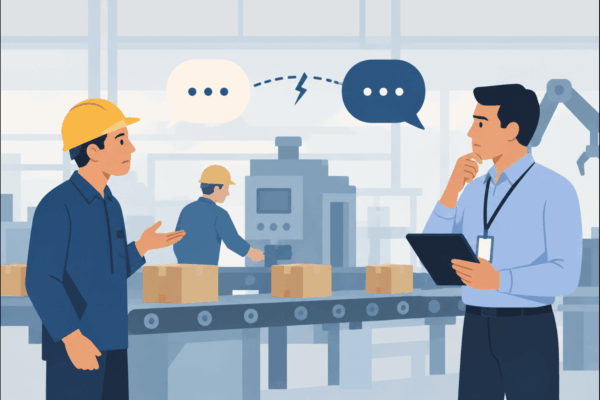
In complex manufacturing environments, where multiple processes operate simultaneously, relying solely on manual supervision and periodic safety inspections can leave critical gaps in risk identification. As industries continue prioritising operational efficiency and worker safety, the need to move beyond conventional safety practices and adopt more intelligent, technology-led approaches to identifying and mitigating risks has become increasingly important. It is no longer a choice but a necessity in today’s industrial landscape. For manufacturing players, effective workplace safety must go beyond responding to incidents and focus on preventing them from occurring in the first place. A reactive approach, where safety teams investigate incidents only after they happen, often means that the opportunity to address underlying risks has already been lost. The need of the hour is to adopt a proactive safety framework that enables organisations to anticipate potential threats.
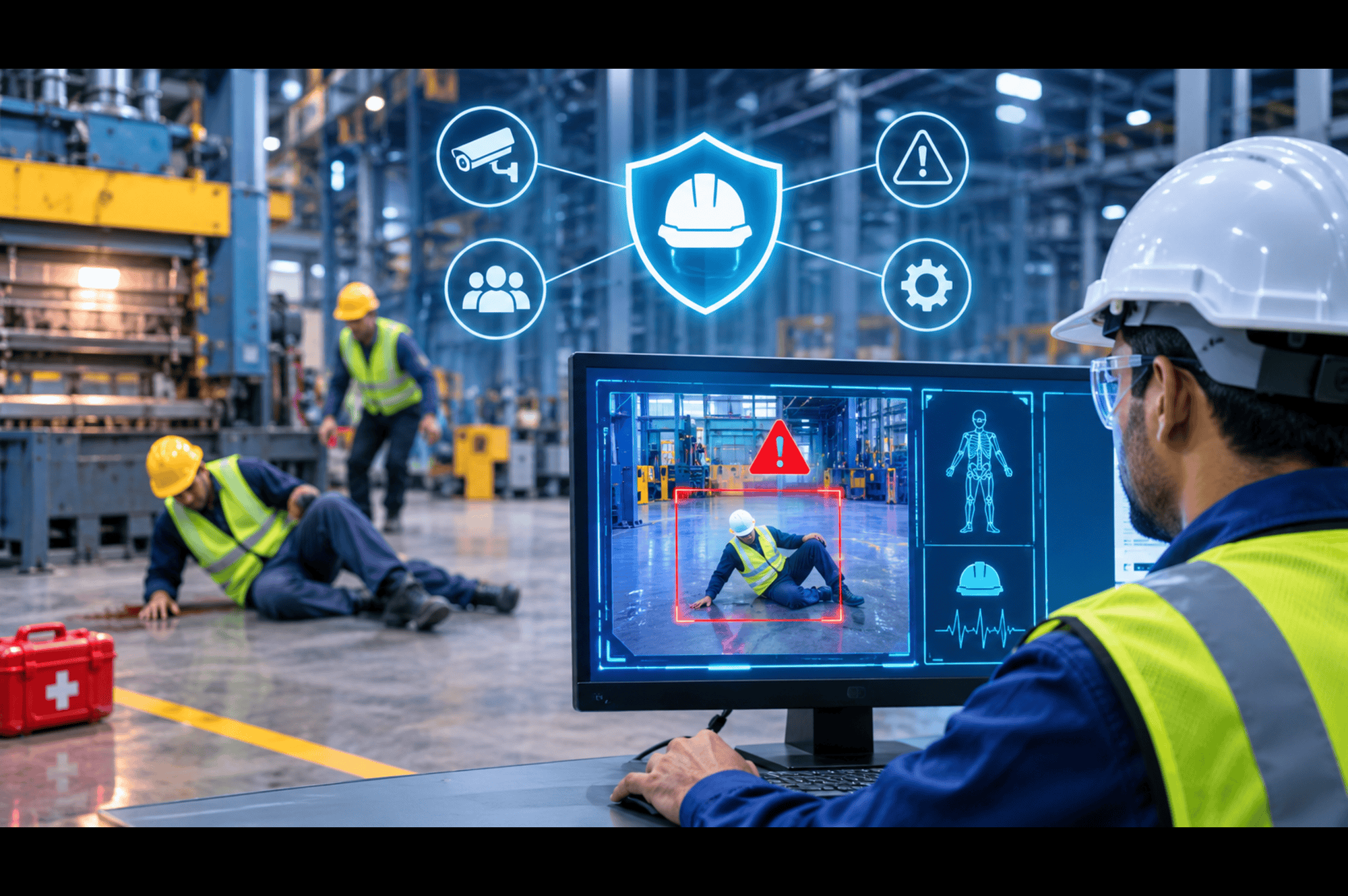
At such critical junctures, AI-powered video analytics can play a transformative role by enabling continuous, intelligent monitoring of workplace activities. By analysing live video feeds, these systems can automatically identify safety violations, including workers’ entry into restricted zones, unsafe handling of machinery and other hazardous workplace behaviours. The system can also flag workers operating at height without safety harnesses, detect slips, falls or a person lying motionless on the shop floor, and alert teams when forklifts and other material-handling vehicles come too close to pedestrians, exceed permitted speeds or move in an unauthorised direction, such as a truck travelling against the flow in a one-way lane or reversing into a pedestrian zone. They can also detect critical environmental threats such as fire and smoke, as well as fluid spillages of oil, coolant or chemicals that create slip and contamination hazards, blocked emergency exits and obstructed walkways, enabling safety teams to respond before these situations escalate into major incidents. Where hazardous materials are handled, video analytics can verify that each step of the Standard Operating Procedure (SOP) is followed, flagging misses such as skipped checks, containers moved without the required equipment or handling outside designated areas. In confined spaces such as tanks, pits and boiler rooms, they can track how many workers have entered and for how long, ensuring no one is left unaccounted for. Beyond detecting individual violations, these systems can provide actionable insights into recurring unsafe practices and potential risk patterns, helping organisations strengthen their safety measures over time. This shift from recording incidents to anticipating risks enables manufacturers to make workplace safety an ongoing, intelligence-led process rather than a response driven by unfortunate events.
Minimising Downtime Through Early Intervention
In manufacturing, operational continuity is closely linked to the ability to maintain a safe and secure working environment. Even a minor safety incident can have a cascading impact on production schedules, workforce availability, equipment upkeep, and overall productivity. In more serious cases, accidents may cause temporary shutdowns, equipment repairs and extensive safety assessments, resulting in significant setbacks. AI-powered Video Management Systems can help mitigate these disruptions by identifying potential hazards early and facilitating timely intervention. For instance, if a worker enters a restricted machinery zone without proper PPE, the system can detect the violation and immediately alert the safety personnel, allowing them to intervene before the situation develops into an accident. When a fall or collapse is detected, an instant alert can bring medical help to the spot within minutes, rather than depending on a co-worker to notice and raise the alarm. Video analytics can also pick up operational warning signs, such as material piling up on a conveyor or a stalled line, so that teams can clear the problem before it turns into a jam, a breakdown or an injury during a hurried manual fix. In the event of an evacuation, automated headcounts at assembly points can quickly identify anyone still inside the facility. At the perimeter, intrusion detection and automatic number plate recognition at entry gates help ensure that only authorised people and vehicles reach the shop floor, reducing the risk of theft and untrained visitors straying into hazardous areas. Inside the facility, the same intelligence helps guard against sabotage by flagging suspicious activity around critical assets such as control panels, utility lines and production machinery, along with any attempt to tamper with, block or redirect the cameras themselves, so a deliberate act can be stopped before it brings production to a halt.
Building The Culture
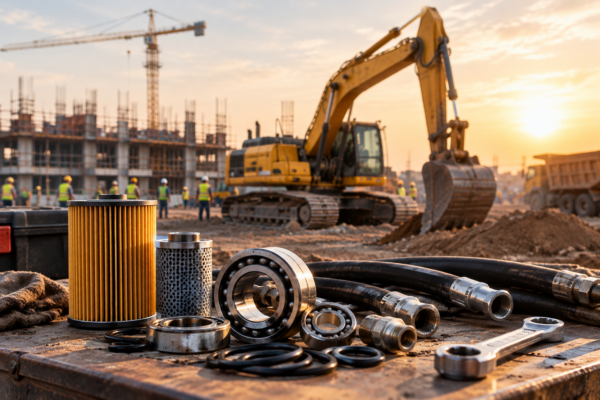
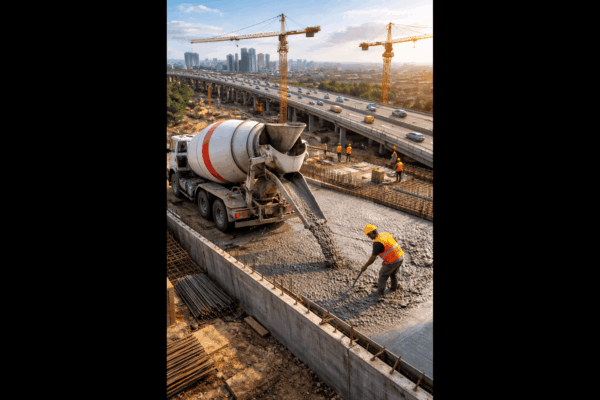
Proactive safety is increasingly becoming a defining aspect of India’s evolving industrial and infrastructure landscape, reflecting a broader shift in how organisations approach workplace safety and risk management. This change is not limited to manufacturing facilities but is increasingly relevant across road construction, infrastructure development, logistics and other high-risk work environments. As India accelerates its infrastructure development and industrial growth, embedding safety into everyday operations will become increasingly important. The benefits extend across the entire stakeholder ecosystem: businesses can minimise financial liabilities, avoid costly operational disruptions and improve productivity, while workers benefit from safer working conditions and the protection of their lives. Ultimately, adopting a proactive approach to safety is not merely an investment in technology or regulatory compliance but is an investment in people, business resilience and India’s long-term industrial progress.
Tags