How Is the Bengaluru–Chennai Industrial Corridor Powering India’s Industrial & Logistics Boom?

by Vamshi Karangula, Director- Industrial & Logistics, Sumadhura
The blueprint for India’s future economy is taking shape along the industrial corridor connecting Bengaluru and Chennai. Driven by the growth of the electronics industry, e-commerce and automobile exports, key manufacturing and logistics hubs such as Hoskote in Bengaluru, Red Hills, Sriperumbudur and Oragadam in Chennai and Hosur in Tamil Nadu have emerged as pivotal nodes in the country’s rapidly evolving logistics landscape.
As global supply chains evolve to become more resilient and agile, businesses are increasingly expanding their footprint across southern India. Once viewed as distinct urban centres, cities across the region are now emerging as an interconnected economic corridor, enabled by improving infrastructure and enhanced connectivity. With new highways reducing travel time and facilitating the movement of goods, the Chennai–Bengaluru Industrial Corridor and its connected manufacturing and logistics clusters are attracting institutional investment, Grade-A warehousing and industrial park development. But what makes this corridor such a dominant force in India’s logistics landscape?
Why Is Hoskote Becoming Bengaluru’s Warehousing Hub?
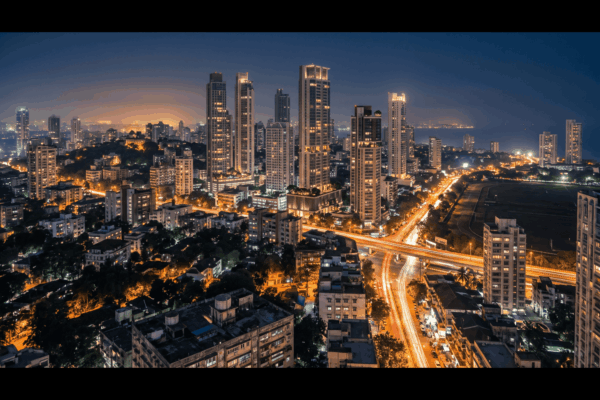
Bengaluru is the undisputed capital of India’s e-commerce and quick-commerce growth story. The city’s massive, tech-savvy population drives relentless consumption, demanding supply chain networks that can deliver not in days, but in hours and minutes. To meet this demand, logistics operators require massive, highly efficient warehousing spaces close to city centers.
East Bengaluru, particularly the Hoskote–Malur–Narasapura belt is emerging as an important destination for industrial and Grade-A warehousing parks. The availability of land for large-format developments, coupled with highway connectivity to Bengaluru’s consumption centres and surrounding manufacturing hubs, makes the region attractive to logistics operators, e-commerce, quick commerce and manufacturing companies seeking scalable storage and distribution facilities.
The Satellite Town Ring Road (STRR) is expected to further strengthen the region’s warehousing potential by improving connectivity between satellite towns and major transport corridors, supporting more efficient freight movement.
Technology is also transforming modern warehousing parks, with warehouse management systems, real-time inventory tracking, automated material handling and AI-enabled forecasting helping optimise storage, order fulfilment and dispatch. Together, infrastructure and operational efficiency are strengthening East Bengaluru’s warehousing and logistics appeal.
The numbers reflect this strategic dominance. According to a recent report by Cushman & Wakefield, Bengaluru saw warehouse leasing jump by a staggering 78% to 3.1 million square feet in H1 2026, making it the fastest-growing logistics market among India’s top eight cities. Hoskote and the broader eastern submarket drove nearly 46% of this total demand.
Why Is Red Hills Attracting Logistics Parks in Chennai?
While Bengaluru serves as the brain and consumer hub of the Golden Triangle, Chennai represents its industrial muscle and gateway to global markets. Globally recognised for its automotive manufacturing ecosystem, Chennai has also strengthened its electronics and hardware sectors in recent years, driving demand for modern warehousing and logistics infrastructure. North Chennai, particularly Red Hills, is emerging as a strategic micro-market for industrial and logistics development. Its proximity to key transport corridors, including the Chennai Peripheral Ring Road (CPRR), and potential to accommodate large-format warehousing facilities enhance its appeal to logistics operators and institutional investors.
Chennai’s distinctive maritime advantage further strengthens its position as a key logistics hub within the Golden Triangle. Red Hills benefits from connectivity to three important ports along the region’s coastline: Kamarajar Port (Ennore), Kattupalli Port and Chennai Port. This port connectivity, combined with established manufacturing clusters and modern warehousing infrastructure, supports an integrated regional supply chain. Multinational companies and third-party logistics (3PL) providers can leverage this network to move components from Hosur, consolidate production and inventory across East Bengaluru, and store goods in Grade-A warehouses near Chennai before shipping them to domestic and international markets. This integration enhances freight efficiency and strengthens the corridor’s role in global trade.
For businesses preferring Grade A warehousing facilities in Chennai, prime locations such as Red Hills offer a combination of access to transport corridors, proximity to port infrastructure and potential for large-format industrial development. These factors are increasingly important for companies seeking efficient distribution networks and export-oriented logistics facilities.
How Will Infrastructure Make the Bengaluru–Chennai Logistics Boom Possible?
The real strength of the growth of the sector lies in the infrastructure connecting its key industrial and consumption hubs. The Bengaluru–Chennai Expressway is expected to further improve intercity connectivity, streamline freight movement and strengthen the integration of regional logistics networks.
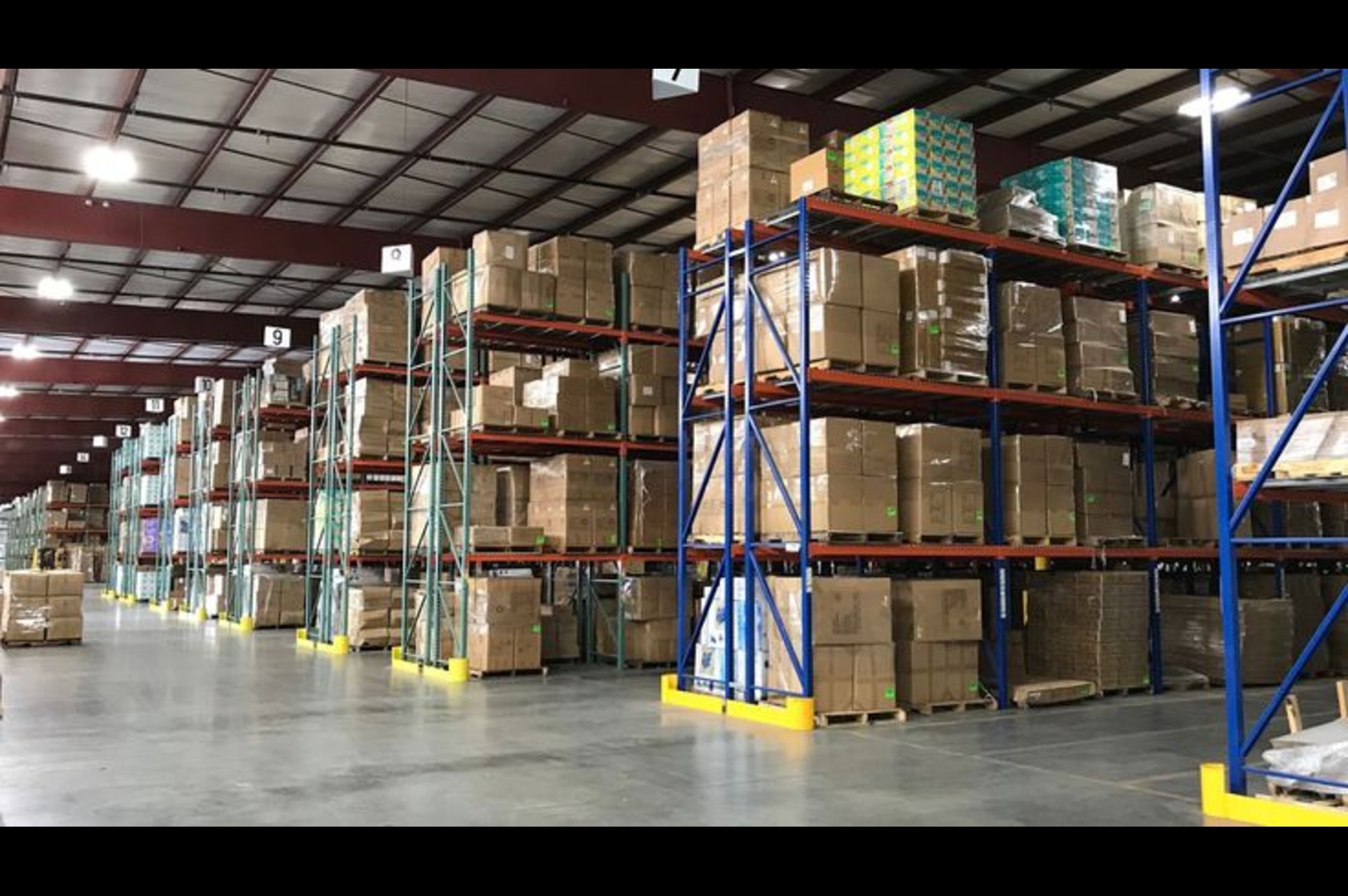
As infrastructure expands, demand is shifting towards Grade-A and Grade-A+ warehousing facilities designed to meet evolving operational needs. Businesses increasingly seek more than basic storage, prioritising sustainable buildings, high-bay clear-span designs, efficient loading infrastructure and multi-level trailer parking. With improved connectivity, strategically located warehouses along this corridor can serve both urban consumption centres and manufacturing-led supply chains, supporting domestic distribution as well as export-oriented operations.
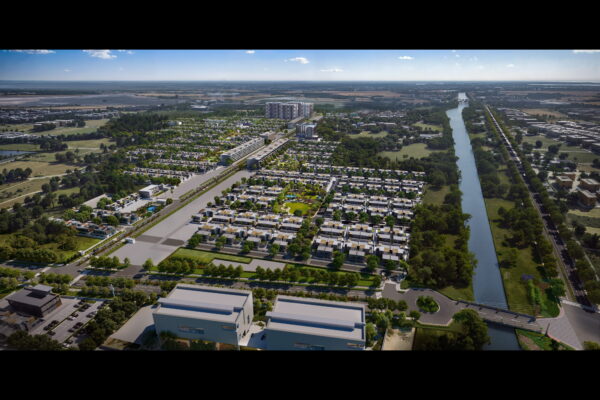
In order to tackle the existing deficit of infrastructure in East Bengaluru, the real estate industry is delivering institutional-quality facilities at key junctures. A case in point is Sumadhura Logistics Park in Hoskote, East Bengaluru. Spread across 100 acres, with a planned development of 2.5 million sq. ft., the Grade-A+ facility reflects the evolving needs of modern supply chains. Designed to support large-scale warehousing and distribution, the park caters to leading players across quick commerce and third-party logistics (3PL), including brands such as Zomato, Amazon, Nippon Express and Zepto, among others. Its scale, strategic location and focus on modern warehousing infrastructure underscore the growing importance of purpose-built logistics parks in supporting the region’s expanding industrial and distribution ecosystem.
Reinforcing its confidence in the industrial & logistics sector’s growth potential, Sumadhura Group has expanded its footprint with a 52-acre Grade-A industrial and logistics park in Red Hills, North Chennai along the CPRR.
The expansion reflects the broader trend of industrial and logistics park developers in India responding to demand for strategically located, modern facilities that can support manufacturing, distribution and export-oriented supply chains.
What Does the Future Hold for the Bengaluru–Chennai Logistics Corridor?
The Indian industrial & logistics industry is seeing tremendous change, and the Bengaluru-Chennai Golden Triangle will be an important driving force behind this change. By combining Bengaluru’s rapid consumption and tech prowess with Chennai’s manufacturing might and port access, this corridor offers advantages through the integration of manufacturing, consumption and port connectivity. This makes it a formidable combination. With growing infrastructure and new, modern warehousing facilities coming into play, this southern mega region will define India’s logistics future for many years to come.