Why Is Sion Well Positioned for Its Next Growth Cycle?

by Rajendra M Rajan, Founder, TransIndia Group
Mumbai is a metropolis where generations of families have built homes and businesses. Built there are only a few neighbourhoods reflect Mumbai’s ability to evolve while retaining their identity. Sion is a distinct micro-market when we talk of deep-rooted community connections. Together with Matunga, it forms one of the city’s better-established residential localities. The homebuyer today finds the qualities that have sustained Sion’s appeal for decades to be increasingly appealing.
Employment centers across the Mumbai Metropolitan Region have witnessed significant expansion over the past decades. This has made daily travel longer and more complex. Buyers have therefore begun scouting for locations that top their assessment through a broader lens. The qualification to pass this assessment includes commute times, connectivity, social infrastructure, everyday conveniences and quality of life. Given this backdrop, Sion’s central location, mature ecosystem and redevelopment potential places it on a strong footing for the next phase of growth.
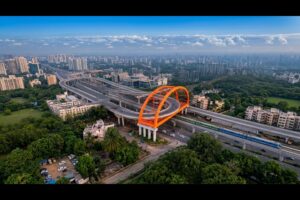
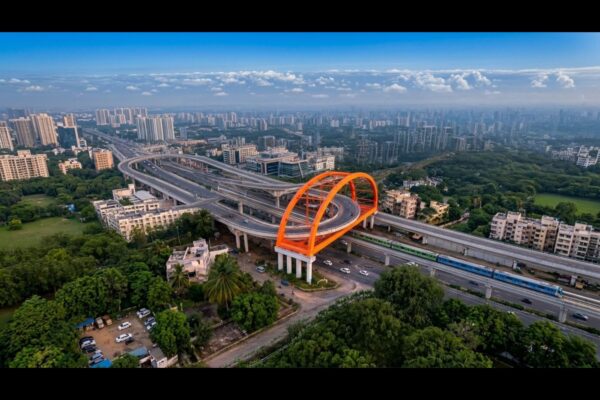
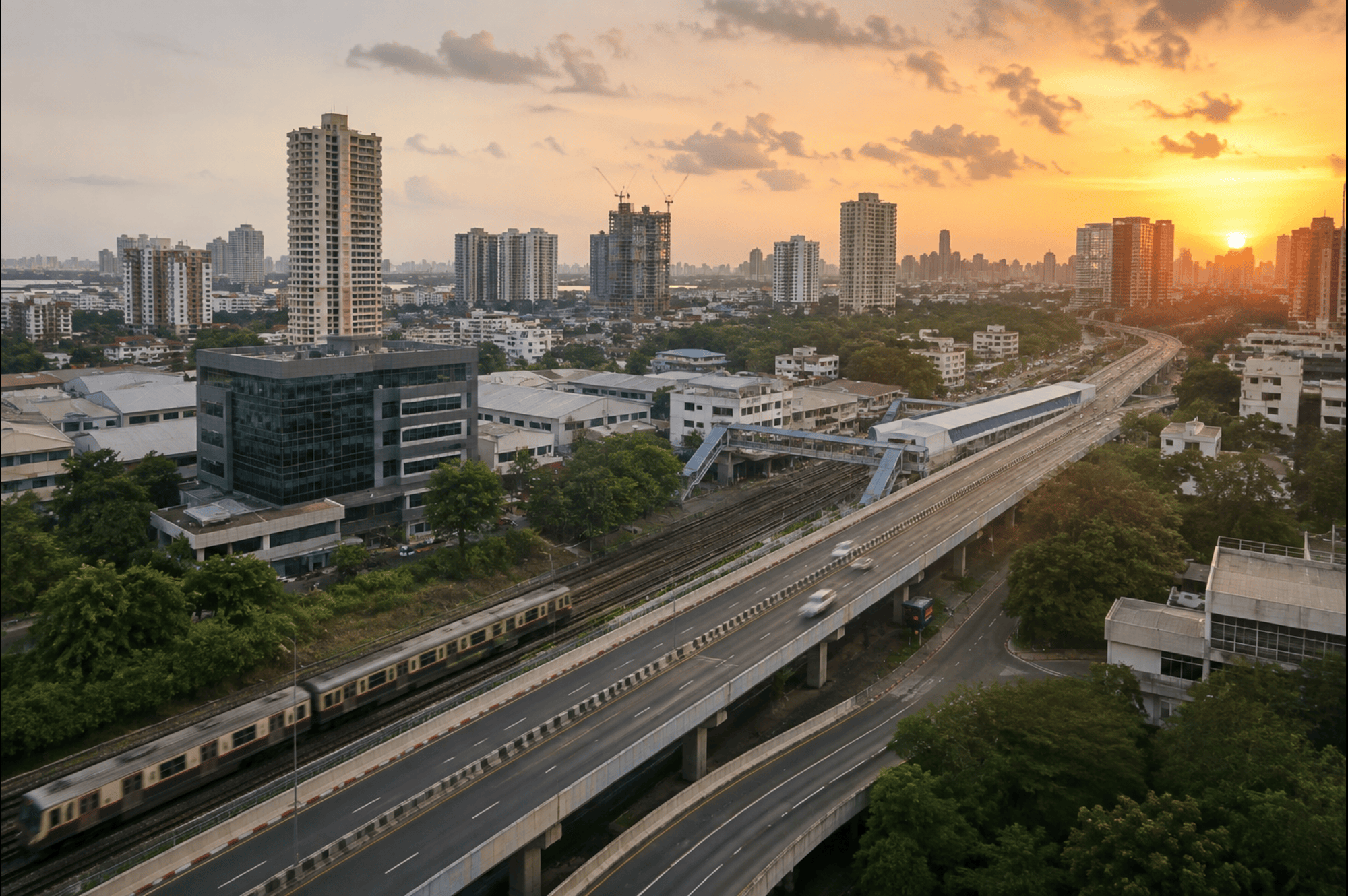
Sion’s location remains one of its greatest advantages. Being a part of central Mumbai, it provides convenient access to South Mumbai, the Bandra-Kurla Complex, Lower Parel, the western and eastern suburbs, besides Navi Mumbai. It enjoys a well-established road and rail networks that only reinforces Sion’s role as an important link location between Mumbai’s major residential and commercial corridors.
This connectivity is a valuable growth driver as employment opportunities are no longer concentrated in one part of the city. For households whose members travel to different business districts or educational institutions, living in a centrally connected neighbourhood, matters.
The advantage extends to both homebuyers and investors as it can turn every day routines into a considerably easier task. Residents benefit from more manageable commutes and greater flexibility, while investors gain access to a wider pool of people seeking homes in a central location. In a city where time is among the most valuable resources, Sion’s ability to reduce the friction associated with daily travel gives it a lasting economic advantage.
Investing in an established neighbourhood differs fundamentally from investing in an emerging location. In a developing area, buyers often invest in what the neighbourhood may become once the necessary infrastructure and amenities get created. Sion already possesses that foundation and offers much more. Schools, healthcare facilities, markets, transport links and other everyday conveniences have always been integral to the Sion-Matunga Corridor. Buyers are therefore choosing a mature neighbourhood that already supports a well-rounded urban lifestyle.
Yet maturity does not indicate that the area is static. Sion continues to evolve alongside changing homebuyer expectations. Families today seek efficient use of space, contemporary layouts, thoughtfully designed amenities and a stronger integration within the existing neighbourhood.
Redevelopment is central to fulfilling these expectations. It allows ageing housing stock to be renewed while preserving the positive aspects of connectivity, community relationships and social fabric that give Sion its distinctive character. It is this balance between continuity and renewal that strengthens the residential offering without diluting its identity.
Sion has an established network of educational institutions, healthcare facilities, markets, retail destinations and community spaces that make it different from the rest. Its proximity to neighbourhoods such as Matunga, Dadar and Chembur further expands the range of shopping, dining, recreational and essential services available to residents.
This ecosystem is especially important for families, who often require dependable access to education, healthcare and daily necessities when selecting a home. Sion also retains a strong cultural and historical character. Landmarks such as Sion Fort reflect the area’s heritage and add depth to its contemporary urban identity.
Sion is no more a real estate market waiting to be discovered. It is an established market supported by enduring demand, strong connectivity and mature social infrastructure. The steady movement in residential property values in recent years reflects continued recognition of these fundamentals. Three principal factors are expected to drive its growth over the coming decade are:
Connectivity: Continuing improvements to roads, Metro networks and railway infrastructure can further strengthen Sion’s links with Mumbai’s major corridors.
Redevelopment: The renewal of older buildings can introduce better-designed homes, modern amenities and improved living environments while retaining the neighbourhood’s established character.
Strength of the existing ecosystem: Future investment in Sion will build upon a foundation of schools, hospitals, markets, transport networks and community relationships developed over several decades.
These factors in combination give homebuyers the opportunity to live in a mature neighbourhood, while being a part of its continued evolution. They also extend the reassurance of current demand alongside the potential created by infrastructure improvements and residential renewal.
The next phase of Sion’s growth does not depend on it transforming into something unfamiliar. The opportunity lies in strengthening what it has always offered, capitalising on being a central, connected and community-oriented place to live in. As redevelopment renews its housing stock and infrastructure investments enhance accessibility, Sion holds the key to build on its long-established strengths into sustained future growth, not as a newly emerging destination, but as a neighbourhood that will evolve into a contemporary urban space.
Tags