Beyond Buildings: Why Total Business Ecosystems Are Shaping Commercial Real Estate

by Saarang Ganapathi, CEO, Embassy Services
India’s commercial real estate sector is entering a more mature phase. Value is no longer defined only by location, rentals and square footage, but by the role a development plays in helping businesses function better over time. It now must bring the workplace and its supporting environment together in a way that makes everyday business easier for occupiers and their people.
For investors, occupiers and asset owners, the question is no longer simply where to build or lease. The more important question is whether a development can stay useful, efficient and relevant throughout its lifecycle.
Why Total Business Ecosystems Will Define Success
Most occupiers have moved from “How much space do we need?” to “What kind of place will help our people and our business perform better?” That is the real meaning of a Total Business Ecosystem. It is not a cluster of amenities. It is a deliberately planned environment that reduces friction for the people and organisations using it every day.
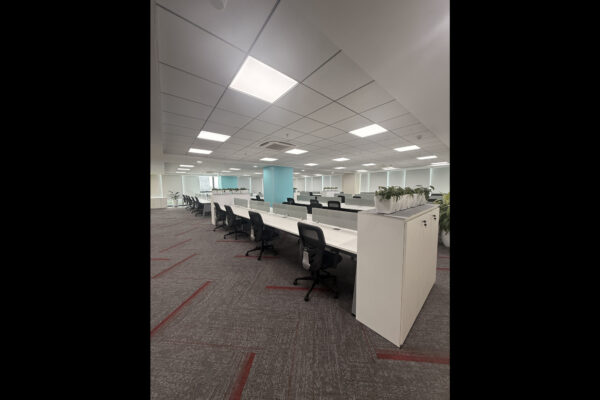
A strong ecosystem begins with the workplace, but it cannot end there. Employees need places to meet, eat, pause, move, access services and feel secure. Companies need predictable operations, responsive management and a setting that supports their culture. Owners need assets that perform beyond the first lease cycle. When these needs are planned together, commercial real estate becomes a business enabler rather than a physical container.
This is where many developments fall short. Offices, retail, hotels, food and beverage, outdoor spaces, security systems and service teams are often planned as separate components. In a true Total Business Ecosystem, they are connected by design. The food and beverage mix reflects the profile of the working population. The landscape supports comfort and movement, not just visual appeal. Security is visible where it must be and seamless where it should be. Amenities are chosen because they serve a real user need.
The test is simple: does the development make it easier for a business to function and for people to spend meaningful time there? If the answer is yes, the asset earns relevance every day. If the answer is no, even a well-located building can begin to feel transactional.
The Operating Layer Behind the Ecosystem
Technology is most valuable when it helps people make better decisions. Used well, it can improve coordination before construction begins and give owners a clearer view of how a development is performing once it is occupied.
For owners and operators, this means moving closer to the actual behaviour of the asset. Instead of relying only on periodic checks, they can understand where the building is working well, where it is under strain and where intervention is needed.
Construction methods are evolving as well, but the larger opportunity is not in adopting every new tool. It is in using the right methods to bring planning, execution and operations closer together.
The same principle applies to building operations. A well-run asset should not wait for problems to surface; it should be managed in a way that allows teams to anticipate issues, respond faster and protect long-term value.
Sustainability Moving from a Compliance Requirement to Competitive Advantage
Sustainability has moved from a certification exercise to a business expectation. Occupiers want assets that help them meet their commitments, and investors want greater confidence that buildings will remain viable in a more climate-conscious market.
The future will belong to assets that can show real progress on sustainability through how they are designed, powered, maintained and measured. Intent will not be enough; performance will matter.
Asset Management Will Define the Next Wave
As the sector matures, asset management is becoming a far more strategic function. Development quality sets the foundation, but an asset’s real worth is built after occupancy—through how it’s run, maintained and continuously improved.
The most successful developments are the ones where design, construction, leasing and operations are connected from day one. That alignment makes a building simpler to run and better suited to what occupiers need.
For occupiers, a well-managed workplace means one thing above all: confidence that everything works, every day. Energy efficiency and sustainability matter, but they’re only part of the picture. Reliable operations, timely maintenance, safety, regulatory compliance and a consistently positive experience are what free businesses to focus on growth rather than day-to-day upkeep.
Ultimately, a Total Business Ecosystem draws every part of commercial real estate together: infrastructure, operations, sustainability, technology, governance and user experience. It turns a campus from a physical workplace into a dynamic environment that keeps adapting and creating value for owners and occupiers alike.
The sector’s future belongs to those who see commercial real estate not as a collection of individual buildings, but as a living ecosystem—one built to help people work better, companies operate better, and assets perform better over time.
Tags