
Interview: Dimitrov Krishnan, Managing Director, Volvo CE India

How do you envision the role of the CE industry in contributing to the vision of Viksit Bharat 2047?
As an essential component of India’s Viksit Bharat 2047 vision for infrastructure and development, construction equipment (CE) will contribute significantly to all aspects of infrastructure development, including roads, railways, ports, airports, mining and urban infrastructure as well as renewable energy; therefore, all infrastructure projects will require faster, safer and more efficient execution. Infrastructure development today in India is moving from a project-based model to one that is more strategically focused on growing the overall infrastructure base of the country. The construction equipment industry’s role not only includes supplying machines to customers but also supporting productivity, technology adoption, fuel efficiency, skilling, localisation and lower-emission construction practices. To realize its vision of becoming a developed economy by 2047, India must build infrastructure capacity at least a decade ahead of demand. This makes the Construction Equipment industry a critical enabler, providing the foundation and capabilities needed to drive the nation’s infrastructure transformation and economic growth.
What are the key demand drivers shaping growth in the CE sector amid India’s expanding infrastructure pipeline?
The main forces causing higher-than-usual demand for construction and material handling equipment are ongoing investment in infrastructure projects, quicker delivery schedules for these projects, increased levels of mechanisation within the construction and materials handling sectors, active mining, urban growth around major metropolitan centres and continued investment in the development of transportation networks (road, rail, water, air) as well as renewable energy production. Customers today are also looking for equipment that can deliver more output at a lower operating cost. As project size continues to increase and timeframes shrink, customers are seeking machines with improved productivity, fuel efficiency, uptime and life-cycle value. This is creating long-term opportunities for technology-led and service-led equipment solutions. Demand is growing for machines with higher productivity, fuel efficiency, uptime, and lifecycle value as the size of projects increases and timelines become shorter. The National Infrastructure Pipeline, PM Gati Shakti, and the overall push for infrastructure are helping provide better visibility of demand to the industry and prompting OEMs to invest in capacity, localisation, and advanced technologies.
How is your organization enhancing productivity, efficiency, and reliability through advanced machinery and equipment solutions?
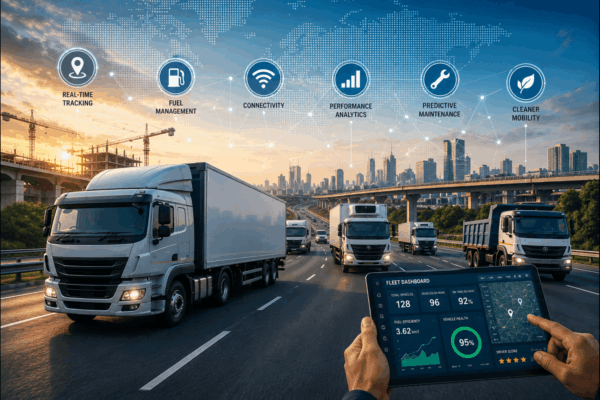
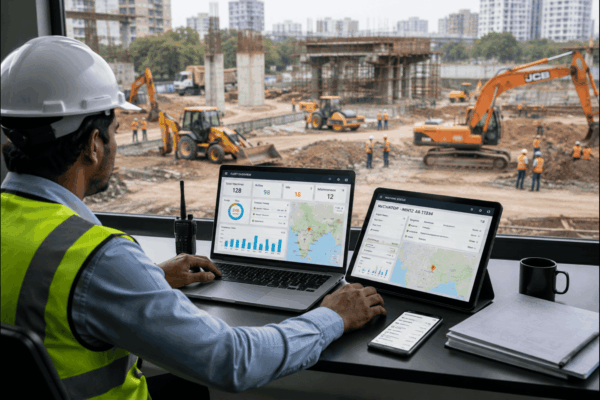
We are focused on empowering our customers to achieve higher productivity and operational efficiency while reducing overall lifecycle costs. By combining advanced machine engineering, fuel-efficient technologies, dependable performance, smart connectivity solutions, and expert service support, we deliver solutions that help our customers succeed in a rapidly evolving industry. Many of the applications utilizing our machines include those related to large infrastructure projects, mining and road construction where maintaining high levels of productivity and machine uptime is paramount. By providing customers with proactive maintenance, available parts, operator training, and the ability to actively monitor their machines, we can help ensure machines are productive throughout the duration of their projects. For customers, productivity is not only about machine power, but it is about consistent performance, lower fuel consumption, ease of maintenance and the ability to complete projects on time.
How are sustainability, fuel efficiency, and emission norms influencing equipment design and operations?
Sustainability is becoming a practical business priority for customers. Fuel efficiency directly reduces operating costs, while lower emissions help align with regulatory and environmental expectations. Emission regulations have prompted the power generation industry to seek out cleaner and more advanced technologies, while also meeting customer needs for machines that will provide productivity with reduced fuel consumption. This has led to changes in equipment design, specifically in the areas of engine performance improvements, advanced intelligent hydraulic systems, power management systems, telematics and low-emission technology. The change in India will take a more gradual and application-based route. In the short term, immediate results will take place with more fuel-efficient machines and attached equipment, operator training, and low emission solutions. Longer term, the use of electric and alternative technologies will increase where availability of charging infrastructure, duty cycle and economic viability of operations would support this technology.
What are the major challenges faced by the CE industry, and how can they be addressed?
The CE sector is confronted with financial accessibility issues, skilled operators shortage, inadequate maintenance practices, fragile supply chains, and rising operating costs due to cutting-edge technologies and regulatory requirements. India has a relatively well-structured equipment financing ecosystem, but access and affordability remain important for smaller contractors and first-time buyers. The industry also needs a stronger skilling ecosystem because modern equipment requires trained operators and technicians. Operator licensing, structured training and industry-wide participation in skilling can significantly improve productivity and safety. Proactive maintenance instead of reactive maintenance is also necessary to make use of technology, service networks and awareness, among other things, and create a more effective supply chain, which will be helped by having better local suppliers with higher capacity and capability, which will lead to improved cost competitiveness, quality and on-time delivery.
How do you assess the impact of government initiatives such as infrastructure push, localization policies, and equipment standardization?
The CE sector has greatly benefited from government initiatives. Infrastructure projects through National Infrastructure Pipeline and PM Gati Shakti have provided visibility of long-term demand through the use of roads, railroads, mining, urban development, logistics, and industry. The localization policies will enhance India’s manufacturing supply chain and ecosystem. Standardization of equipment, safety standards, and emissions regulations are also critical to providing a higher quality, safer, and more environmentally friendly industry. Over time, these initiatives can make India not only one of the largest construction equipment markets, but also a stronger manufacturing and export base. A more standardised and technology-aligned market will also help Indian-made equipment compete better in global markets.
What emerging opportunities do you foresee in segments such as roads, railways, mining, urban infrastructure, and renewable energy projects?
The development of roads and highways will still be a primary driver of demand across a range of sectors that include national, state, and rural road development. There will be an increase in the demand for earthmoving, compaction, tunnelling, and materials handling equipment due to new railroads and metro systems, as well as high-speed rail projects. Mining will continue to be a key contributor to the economy as there is a steadily increasing demand for energy, minerals, and raw materials within India. There will be a need for compact, efficient, and multifunctional machinery to complete urban infrastructure projects (such as a metro rail system), provide proper sanitation, housing, and to complete the development of existing urban areas. Renewable energy projects are also opening up opportunities for equipment used in land development, road access, foundations and material handling. Across all these segments, customers will increasingly look for machines that combine productivity, reliability, fuel efficiency and lower lifecycle cost.
Tags