The Rising Demand for Laminates and MDF in India’s Modern Housing Market

by Keshav Bhajanka, Executive Director, Century Plyboards (India)
India’s housing and interior infrastructure landscape is undergoing a remarkable transformation. Over the last decade, the country has witnessed a visible shift in how consumers perceive homes, workspaces and interior environments — from functional necessity to an expression of aspiration, lifestyle and identity. This shift is significantly influencing the demand for engineered wood panel products, especially laminates and MDF (Medium Density Fibreboard), which are emerging as key growth drivers within the building materials industry.
Fifteen years ago, India’s panel products industry was largely plywood-centric. Today, the market has diversified into a sophisticated ecosystem comprising MDF, particle boards, laminates, PVC boards, engineered veneers and decorative surfaces. At CenturyPly, we have experienced this shift not as observers but as participants — adapting our portfolio, our manufacturing and our thinking to stay ahead of where the market was heading.
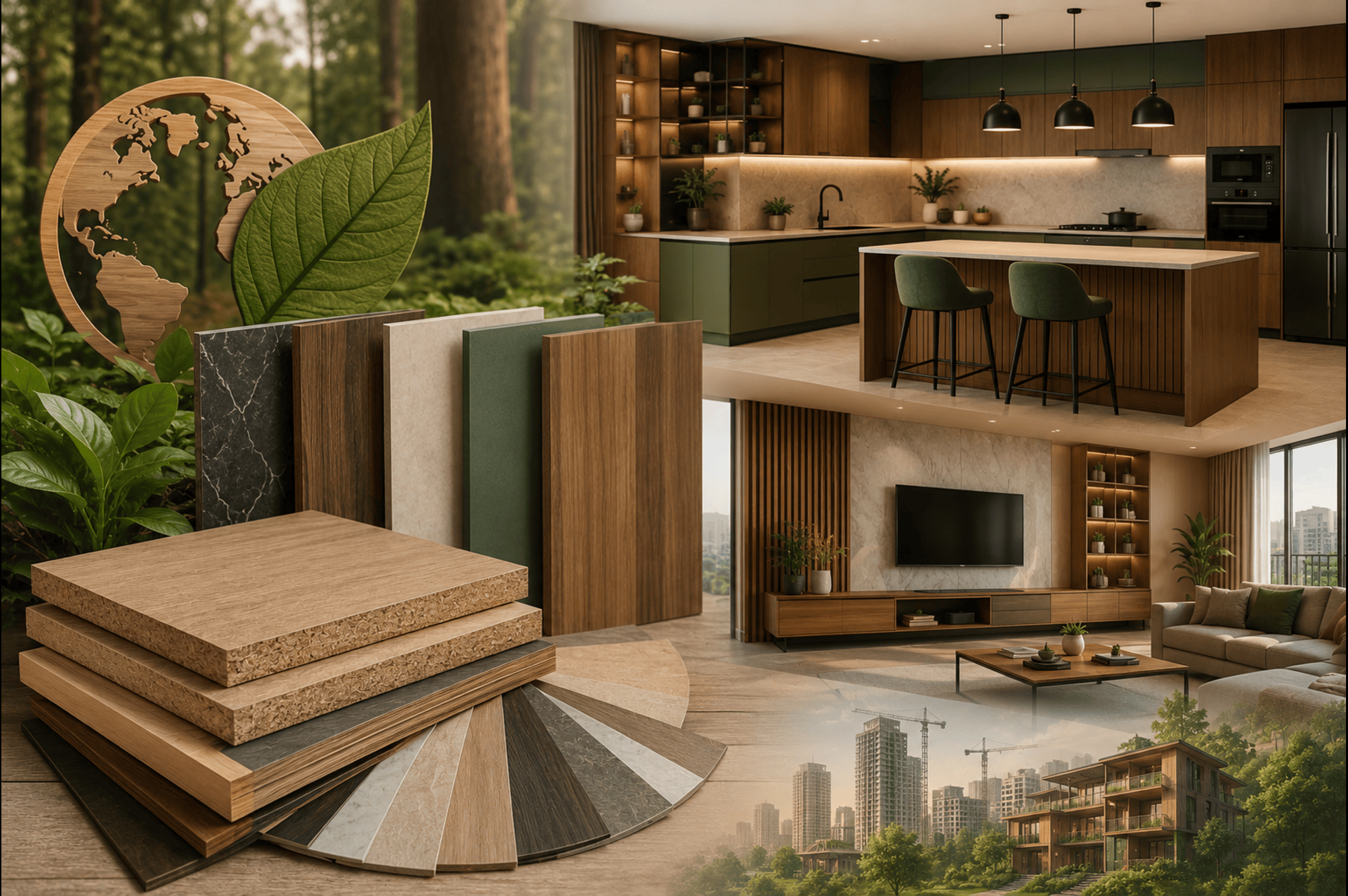
One of the primary reasons behind the rapid growth of MDF is the increasing adoption of modular furniture and factory-finished interiors. Urbanisation, shrinking living spaces and the rise of apartment culture have accelerated demand for modular kitchens, wardrobes, entertainment units and ready-to-install furniture systems. MDF has become a preferred substrate in such applications due to its uniformity, smooth surface finish, machinability and compatibility with automated manufacturing processes — enabling the precision engineering and large-scale standardisation that organised furniture manufacturing demands.
Affordability is another major factor. Consumers seek aesthetically superior interiors without significantly escalating costs, and MDF delivers exactly that — a practical balance between design flexibility, finish quality and cost-efficiency. Its ability to seamlessly accommodate laminates, acrylic finishes, PU coatings and decorative veneers only adds to its versatility across residential and commercial applications.
Equally important is the growing influence of architects, interior designers and developers in shaping purchase decisions. Design professionals increasingly prefer engineered boards for their consistency, ease of installation and flexibility. Minimalist aesthetics, clean finishes and customised furniture designs have become defining elements of modern Indian homes — and MDF supports these requirements exceptionally well.
Another major trend contributing to this growth is the rising consumption from Tier 2 and Tier 3 cities. Aspirational lifestyles are no longer limited to metropolitan markets. We are seeing this directly in our distribution reach — smaller cities across India are rapidly embracing branded interiors, modular furniture and premium home solutions, driven by improved accessibility, digital exposure and higher disposable incomes.
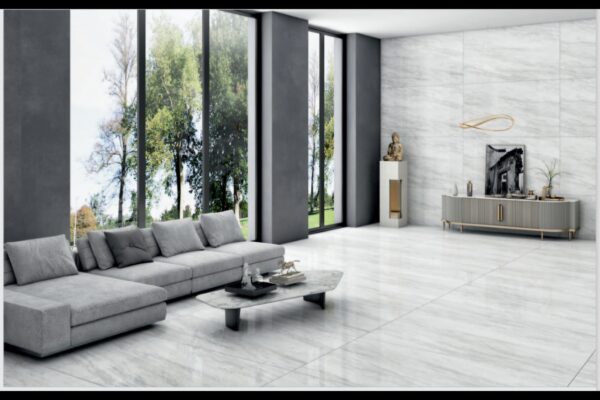
Parallel to the growth of MDF is the extraordinary rise of laminates as a preferred decorative surface solution. The laminate industry in India has evolved substantially — from offering basic finishes to delivering highly sophisticated, design-led products that replicate the appearance of natural wood, stone, fabric, concrete and metallic textures. Social media platforms, global design exposure and evolving lifestyle aspirations have elevated consumer expectations, and laminates provide an effective solution by combining aesthetics with affordability.
Modern laminates also address practical concerns such as durability, scratch resistance, moisture resistance and ease of maintenance — attributes that make them highly suitable across residential, retail, hospitality and commercial environments.
The premiumisation trend is particularly noteworthy. Earlier, decorative surfaces were often viewed as secondary additions to furniture. Today, they have become central to the overall interior design narrative. Consumers are increasingly willing to invest in superior finishes, textures and branded decorative products that enhance both visual appeal and long-term value.
This transformation is also closely linked to the broader formalisation of India’s building materials sector. Organised and branded players are gaining market share as consumers become more quality-conscious. Trust, consistency, warranties and product innovation are now major differentiators. Companies that invest in technology, design and sustainable manufacturing are well-positioned to lead the next phase of industry growth.
Our own journey at CenturyPly reflects this shift. We have invested substantially in expanding capacities, introducing advanced technologies and developing differentiated products — whether in MDF, which has emerged as one of our fastest-growing categories, or in decorative laminates, where premiumisation and modern housing demand continue to drive strong momentum. Innovations focused on safety, hygiene, durability and sustainability are increasingly shaping the future of the sector, and we are committed to being at the forefront of that evolution.
Sustainability will play a defining role in the years ahead. As environmental awareness increases globally, the industry must focus on responsible sourcing, efficient manufacturing and eco-friendly product development. Consumers today are evaluating not just aesthetics and pricing, but also sustainability credentials and long-term environmental impact — and that is a responsibility the industry must take seriously.
India today stands at an inflection point similar to what many developed economies experienced during their periods of rapid housing and infrastructure expansion. The country’s growing middle class, urban development, rising disposable incomes and evolving lifestyle aspirations are collectively creating a strong foundation for the continued growth of engineered panel products and decorative surfaces.
The future of India’s housing market will not be defined merely by construction volumes, but by the quality of living experiences that homes and interior spaces can offer. Laminates and MDF are no longer supplementary materials — they are becoming integral to how modern India designs, builds and experiences its spaces. The next decade will belong to those who understand this shift and continue to innovate responsibly. The future is not given — it is built.
Tags