How India’s Real Estate Market Is Attracting a New Wave of Investment Momentum

India’s real estate sector is experiencing a period of deepening investor confidence, driven by the stable macroeconomic conditions and a healthy demand momentum across residential and office segments. The sector is poised to enter new horizons of growth as the domestic and institutional capital inflow is increasing. The positive prospects of the sector are anchored in conviction by the recently released report by CBRE. The report observes that the Indian real estate sector attracted USD 5.1 billion in investments during January–March 2026, marking an increase of 72 per cent year-on-year and a 53 per cent rise over the previous quarter. The figure is reflective of a significant milestone since the recorded capital inflow is the highest ever in any single quarter to date. The strong growth, despite the current global instability also reflects the strong resilience of the Indian real estate market.
“The rapid increase in real estate investments to USD 5.1 billion within the period between January and March 2026 is indicative of India’s emergence as a credible and scalable market. While the increase in investment is attributed to the presence of liquidity, there are other reasons that have contributed to this including urbanization, formalization, and organised real estate industry. A balanced alignment between capital inflows, sustainable development, infrastructure readiness, and buyer affordability will be crucial in sustaining investor trust and long-term sector stability.”, said Parvinder Singh, CEO, Trident Realty.
The Composition of Capital Inflows
The composition of the increased capital inflow reveals the structural depth of the sector. Domestic investors accounted for nearly 96 per cent of total inflows during the quarter, with developers contributing approximately 42 per cent and REITs close to 40 per cent. REIT investments alone crossed USD 2 billion, a milestone that reflects a decisive shift toward institutionalised, yield-generating assets over speculative positioning. Commenting on the development, Ashish Agarwal, Director, AU Real Estate, said, “India’s real estate industry, attracting USD 5.1 billion worth of investments in the first quarter of 2026 speaks volumes about the positive investor sentiments, supported by robust demand from end users along with favorable macroeconomic indicators. The jump of 72 per cent compared to the previous year indicates that investors are looking at both residential and office properties along with newer asset classes like data centers and logistics. However maintaining this momentum will require proper capital management, quick clearance of regulations, and continuous infrastructure push. Although the capital flow is positive, the developers should keep their focus on execution, governance, and quality of products so that they can create value through this cycle of investments.”
Investment Patterns and Emerging Priorities
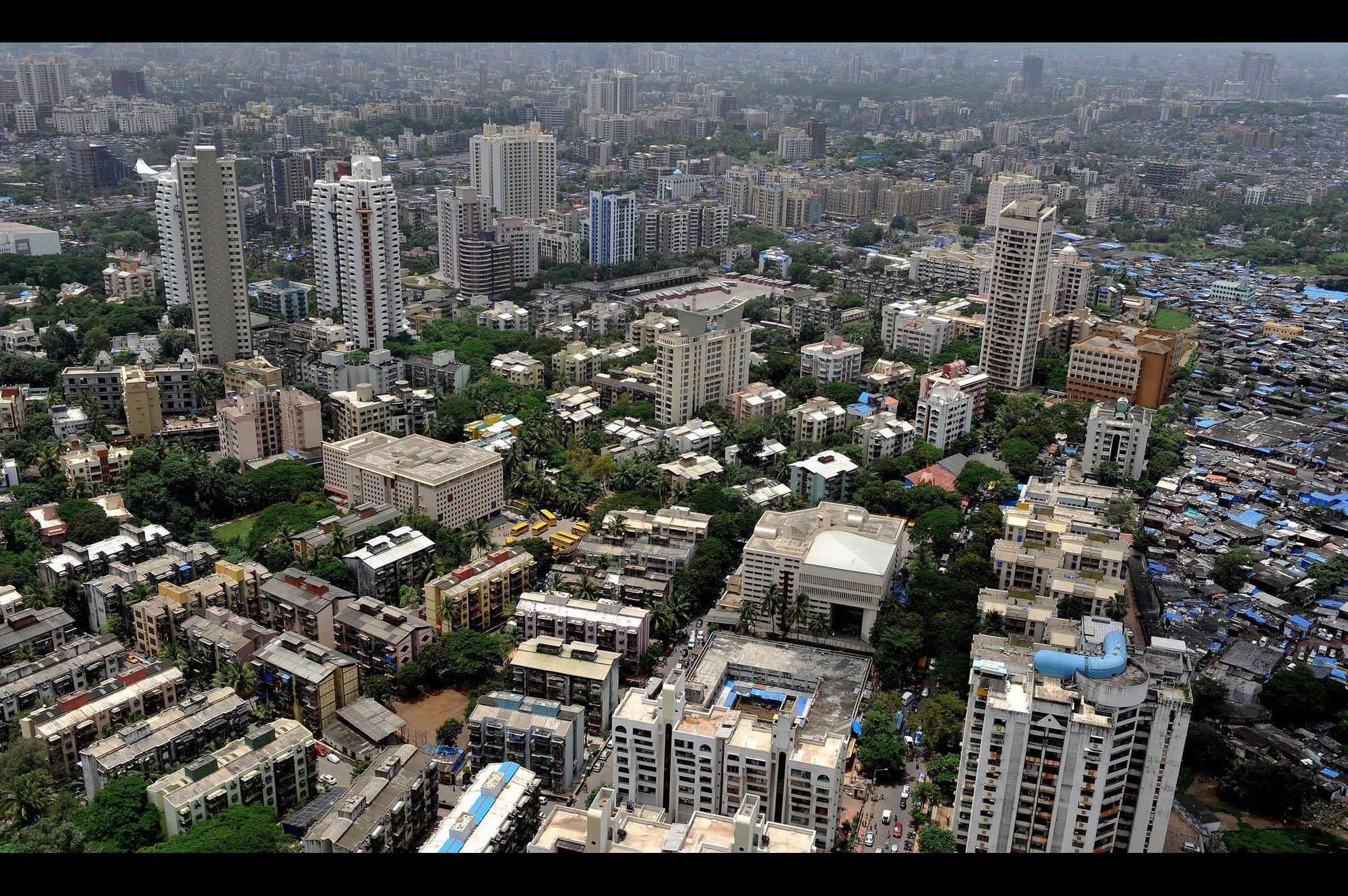
Investment activity is also getting characterized by a preference for specific corridors and emerging micro markets which provide the confluence of infrastructure readiness, connectivity, and long-term planning. Bengaluru, Mumbai and Delhi NCR have emerged as hotspots for investments, together accounting for approximately 65 per cent of total investments. The concentration of investor sentiment in these cities indicates the depth of established urban markets while also underscoring the importance of disciplined supply planning in markets already operating at premium valuations.
“The strong growth in capital inflows reflects renewed confidence in India’s real estate sector, supported by stable economic fundamentals and sustained demand across residential, commercial, and emerging asset classes. The rising share of domestic capital is also a positive indicator of the market’s increasing depth and long-term orientation. At the same time, capital deployment remains selective, with a clear preference for quality assets, strong execution, and projects with visible demand. This shift is contributing to a more disciplined and structured growth cycle across the sector. While the overall outlook remains positive, the pace of investments will continue to be guided by demand stability and policy consistency, with capital flowing towards segments and markets that demonstrate resilience and long-term value”, said, Deepak Sangwan, Chairman, Origen Realty.
The Execution Imperative
The fundamentals underpinning India’s real estate investment momentum are structural in nature. Rising urbanisation, a formalising sector, sustained residential demand, and growing institutional interest in emerging asset classes are collectively broadening the market’s investment thesis. The record inflows of Q1 2026 are encouraging, but the market’s ability to sustain this cycle will ultimately be determined by execution quality, supply discipline, and a consistent alignment between capital deployment and on-ground delivery.
“The positive outlook presented by the record figures of inflow capital is a clear indicator of the enormous trust which is persistent in the Indian real estate market. However, this trust today is increasingly earned by those who demonstrate consistent delivery. What is even more reinforcing is the fact that the inflows have remained strong despite the current environment of global macroeconomic uncertainty, thus signalling institutional confidence. The growing share of REITs in this capital mix is also significant, as it reflects a market which is constituted of long-term investment prospects as opposed to mere speculative interest. However, it is also worth acknowledging that only effective translation of this capital into quality supply will ensure sustenance of this momentum, further underlining that the market ultimately backs players who deliver. Capital must be channeled with calibration to avoid inflated valuations in already operating premium markets.” said Robin Mangla, President, M3M India.
For a sector that has worked hard to earn institutional confidence, the opportunity is significant. The responsibility to preserve it is equally so.
Tags