The Rise of the Mid-Sized Luxury Buyer and its Impact on Design, Amenities, and Investment Behaviour

by Sarveshaa SB, Chairman and Managing Director, BHADRA Group
India’s residential real estate sector is entering 2026 with a structured, demand-led momentum, increasingly shaped by the rise of the mid-sized luxury homebuyer. This segment comprising high-income professionals, entrepreneurs and first-generation wealth creators is emerging as a defining force in influencing market dynamics, pricing strength and the evolution of housing across urban India.
What was once considered an aspirational category has now matured into a well-established segment, supported by rising disposable incomes, financial awareness and access to organised housing finance. This shift is bringing a greater degree of stability and end-user orientation to the market, moving it toward a more balanced and sustainable growth trajectory.
Bengaluru offers a clear reflection of this transformation. In Q1 2026, the city recorded residential sales of 17,991 units, registering a 4.3% quarter-on-quarter increase. At the same time, average property prices strengthened to ₹9,260 per sq ft, marking an 8% rise QoQ. This steady performance is being driven largely by demand in the mid-to-premium housing segment, where homebuyers are seeking homes that offer a combination of connectivity, lifestyle depth and long-term value.
Unlike traditional luxury homebuyers, who often prioritised scale and exclusivity, the mid-sized luxury segment demonstrates a more analytical and value-conscious approach. Homebuying decisions are increasingly guided by functionality, efficiency and appreciation potential. This evolution is introducing discipline into the sector, encouraging developers to align offerings with genuine end-user needs rather than speculative demand.
Design Evolution with a Focus on Efficiency
One of the most significant impacts of this segment is visible in residential design. There is a clear move away from expansive, inefficient layouts toward homes that emphasise intelligent planning and efficiency. Homebuyers are prioritising spaces that are adaptable, functional and capable of supporting evolving lifestyle requirements.
Developers are responding by integrating flexible configurations, including multipurpose rooms, dedicated work-from-home areas and optimised storage solutions. The importance of natural light, cross ventilation and seamless spatial flow has also gained prominence, shaping a more thoughtful approach to planning. Design is increasingly viewed as a long-term utility that enhances everyday living while supporting sustained asset value.
Amenities as an Integral Part of Residential Value
The role of amenities has also undergone a meaningful transformation. For the mid-sized luxury homebuyer, amenities are central to the overall value proposition rather than supplementary features. However, the emphasis is shifting toward practicality and lifestyle relevance.
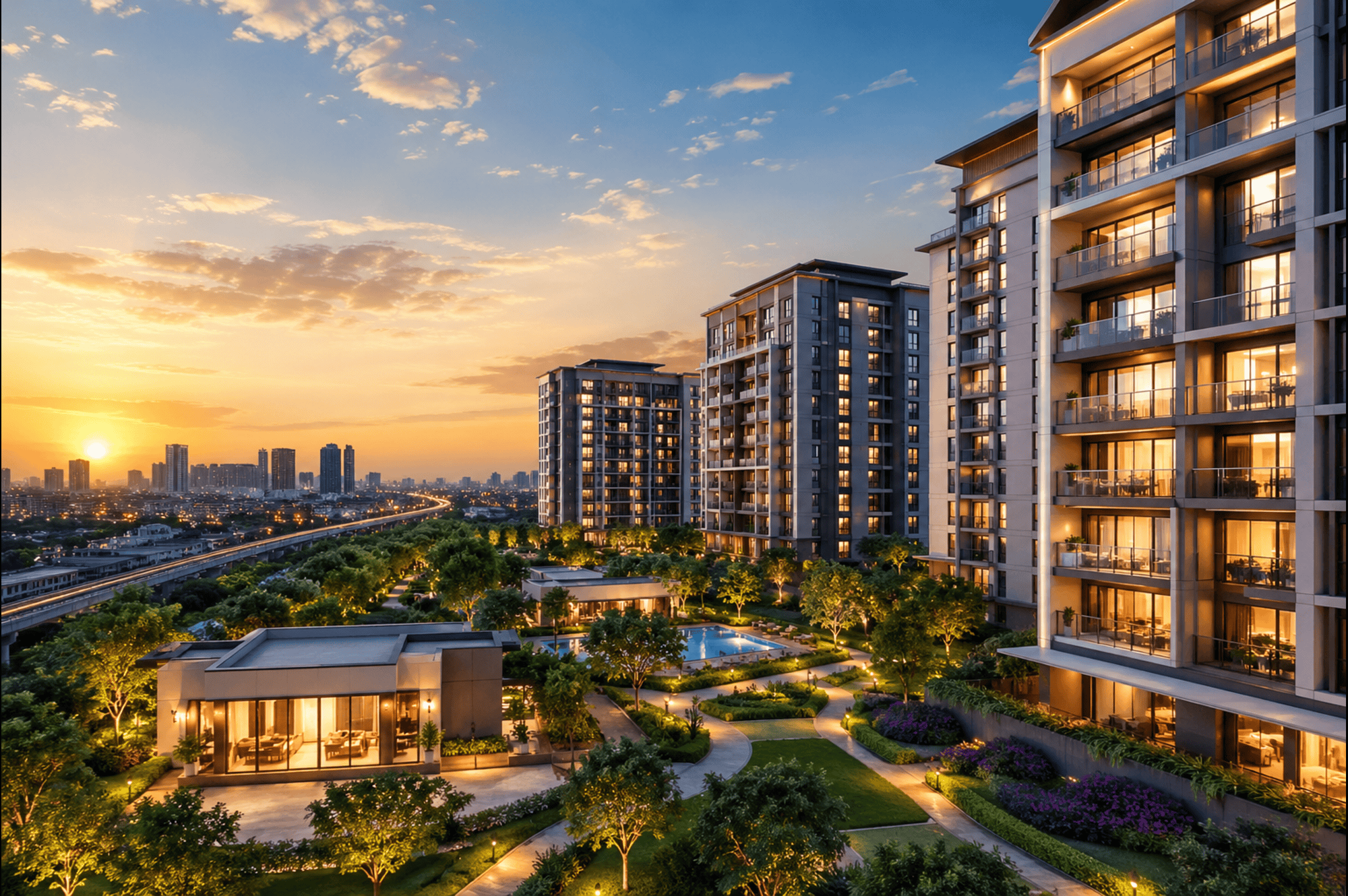
Residential developments are now incorporating wellness-oriented and community-focused amenities such as fitness centres, yoga zones, landscaped gardens and walking tracks. In addition, co-working spaces, reading lounges and multipurpose halls are becoming more prevalent, reflecting the blending of work, leisure and social interaction within residential environments.
This shift indicates that projects are increasingly being designed as integrated ecosystems that support convenience, well-being and a balanced lifestyle, reducing dependence on external infrastructure for daily needs.
Infrastructure-led Growth Shaping Demand
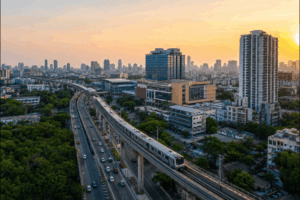
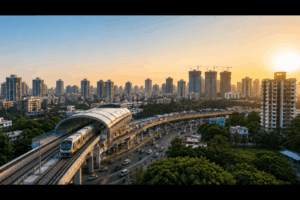
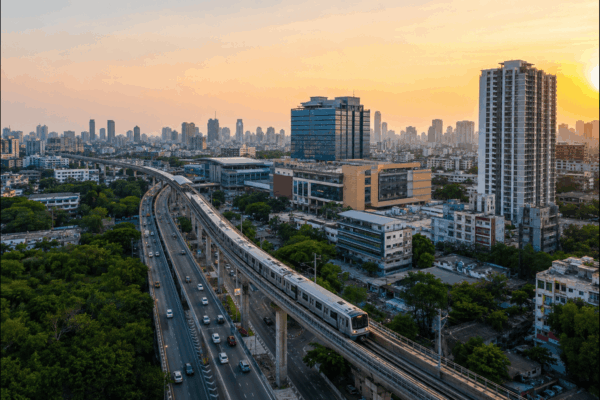
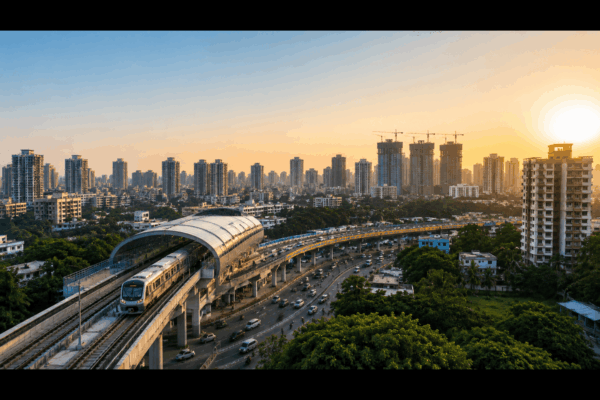
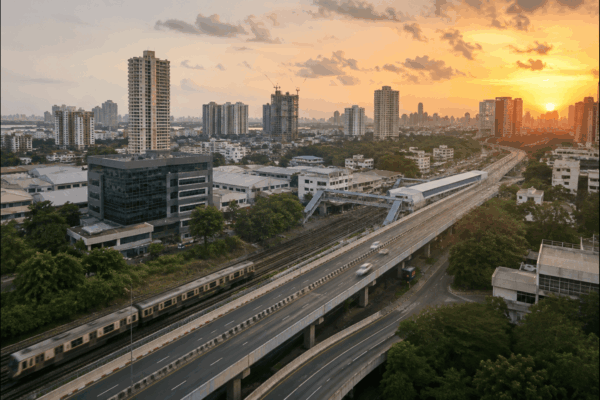
Infrastructure continues to act as a key catalyst in driving this transformation. In Bengaluru, the Purple Line metro corridor, now operational across its 43 km east–west stretch, has significantly enhanced connectivity between Kengeri and major employment hubs such as Whitefield. This seamless linkage is influencing residential preferences, positioning Southwest Bengaluru as a well-connected and high-growth corridor.
Kengeri, in particular, has witnessed strong capital appreciation in the range of 15–21% over the past year and is evolving as a robust residential hub. This growth is supported by improved metro connectivity, expanding commercial activity and increasing interest from both homebuyers and investors. The corridor is also attracting business interest, contributing to a gradual westward shift in economic activity.
Emerging hubs such as the AI City in Southwest Bengaluru are set to gain further momentum with Phase 3 metro expansions and the Peripheral Ring Road.
At the same time, the existing infrastructure backbone has already positioned Southwest Bengaluru as a strong residential and investment destination, highlighting how connectivity continues to unlock new growth corridors.
Investment Behaviour Becomes More Structured
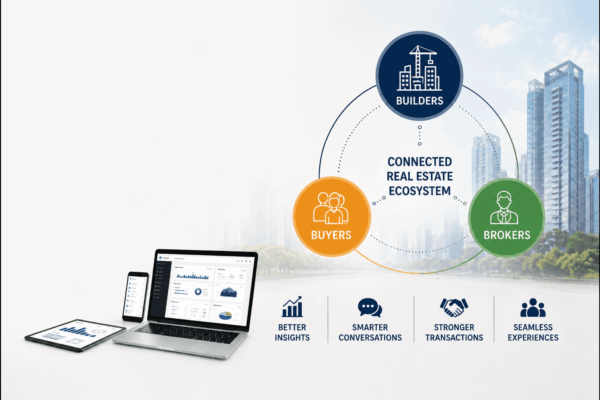
Today’s homebuyers are more informed, research-driven and guided by long-term considerations. Access to digital platforms, regulatory transparency and structured information has enabled a more analytical approach to decision-making.
Homebuyers are evaluating projects based on multiple factors, including location fundamentals, connectivity, construction quality and developer credibility. There is also a growing emphasis on liquidity, rental potential and sustained appreciation.
Mid-sized luxury housing is increasingly positioned as a balanced investment class that combines end-use comfort with long-term financial value. Developments that offer strong infrastructure backing, efficient planning and a clear value proposition are particularly well placed to benefit from this evolving demand.
A More Mature and Resilient Outlook
The emergence of the mid-sized luxury homebuyer reflects a deeper structural evolution within India’s real estate sector. This segment is expanding the demand base while elevating expectations around quality, transparency and value delivery.
For developers, this calls for a stronger focus on execution, design innovation and customer-centric planning. For homebuyers, it translates into access to well-designed homes, relevant amenities and clearer investment pathways.
As infrastructure development continues to align with urban expansion, and as homebuyer aspirations become more defined, the residential market is entering a phase of greater maturity and resilience. Bengaluru, supported by its strong economic base and infrastructure momentum, remains at the forefront of this transition.
The convergence of infrastructure-led growth and aspirational mid-luxury demand is shaping the next chapter of urban living, one that is defined by thoughtful design, integrated lifestyles and long-term value creation.
Tags