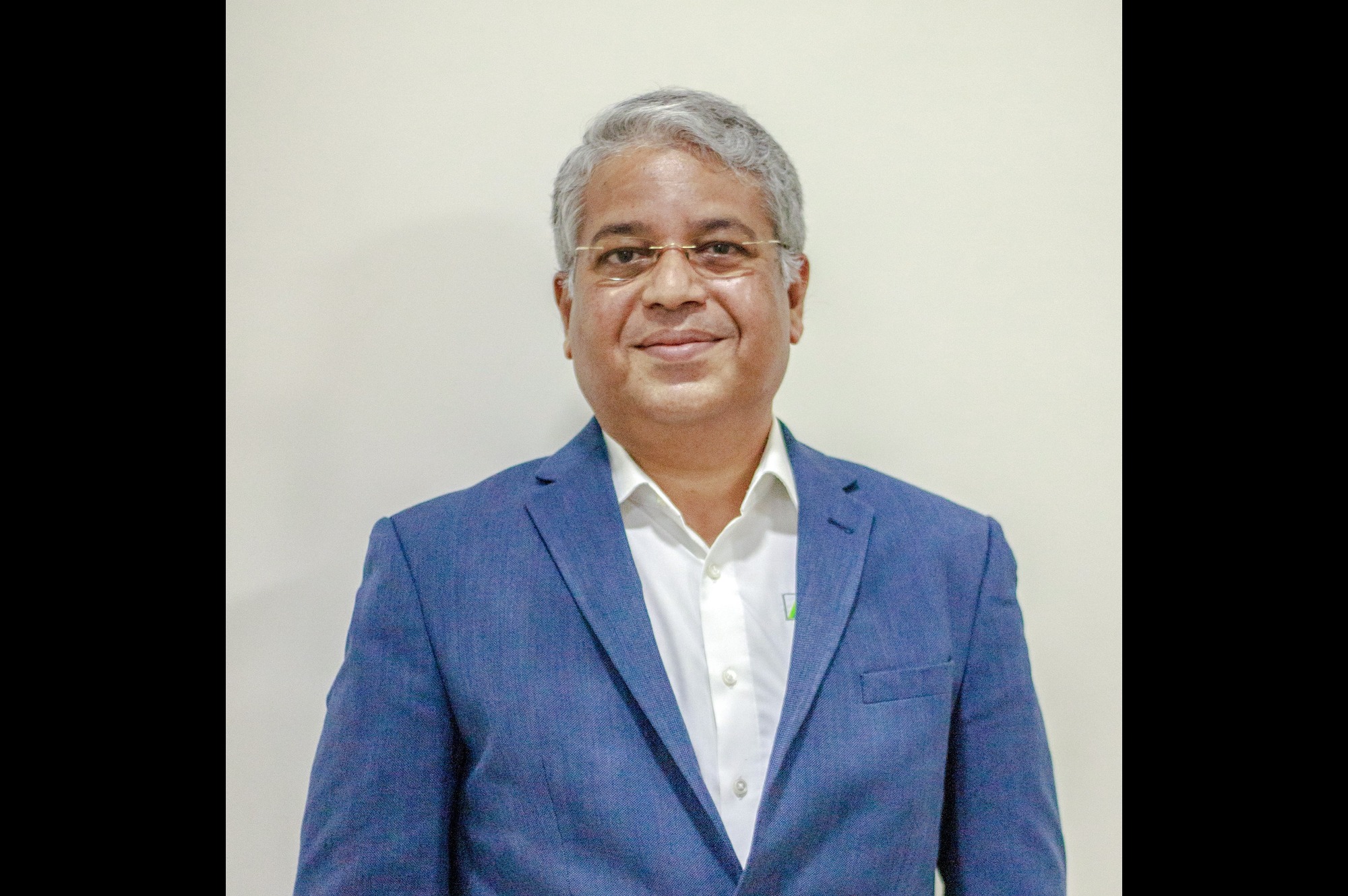
Interview: VG Sakthikumar, Chairman & Managing Director, SCHWING Stetter (India)

Contractors are increasingly moving from on-site mixing to a “hub-and-spoke” model, with centralized batching plants on city outskirts supplying concrete via transit mixers and supported by advanced pumping solutions. This shift is driving demand for cleaner, more efficient equipment
Stringent infrastructure project deadlines have transformed the equipment industry. How has concrete equipment evolved over the past three years across key parameters such as innovation, sustainability, and operational efficiency?
To meet the demanding timelines of modern infrastructure projects, we have transitioned toward a “high-tech, low-emission” approach, delivering equipment that is faster, cleaner, and more intelligent. In recent years, the company has focused on localizing advanced engineering to suit India’s growing infrastructure and high-rise construction needs. Key innovations include the domestically manufactured 56-metre boom pump (S56SXF), enabling efficient high-rise concreting, and multifunctional solutions like the FBP 29 Truck Mixer Pump, which enhances productivity while reducing on-site equipment requirements. Our collaboration with MAXtruder GmbH has also strengthened capabilities in precast construction, supporting faster, off-site project execution. On the sustainability front, we have introduced electric and alternative-fuel solutions such as the eRMC Electric Transit Mixer and hybrid boom pumps, along with CNG-powered mixers as a transitional option. The company is also promoting circular construction through crushing and screening solutions for recycling C&D waste. Further, digital integration is enhancing operational efficiency, with IoT-enabled systems and advanced control technologies enabling real-time monitoring of equipment performance, fuel usage, and maintenance. Improvements in machine design, such as higher fuel efficiency and better gradeability in self-loading mixers, ensure reliable performance even in challenging terrains.
Which infrastructure sub-sectors have contributed the most to your revenues in recent years, and which segments do you expect to drive growth going forward?
Our revenue mix has traditionally been anchored in leadership within the Ready-Mix Concrete (RMC) equipment segment, with concrete pumps, transit mixers, and batching plants continuing to drive steady demand across urban housing and infrastructure projects. The after-sales service and spare parts business has also emerged as a strong and growing contributor, supported by a large installed base and improved service penetration, leading to more stable, recurring revenues. Looking ahead, we are strategically diversifying into high-growth, technology-driven segments. Our expansion into material handling, crushing, and screening is opening up cross-selling opportunities, while demand for high-reach boom pumps is rising with the growth of high-rise and mega infrastructure projects. At the same time, electric and hybrid equipment is gaining traction amid stricter emission norms, and our entry into precast technology through MAXtruder GmbH aligns with the shift toward faster, factory-based construction. Overall, while the core RMC business remains strong, future growth will be driven by more advanced, sustainable, and value-added solutions.
With several cities restricting on-site concrete equipment due to dust, noise, and air pollution concerns, has there been a shift in demand towards specific equipment categories such as batching plants, transit mixers, and concrete pumps?
Yes, regulatory restrictions in major urban centres – such as GRAP norms in Delhi-NCR and similar dust and noise controls in cities like Mumbai and Pune – have led to a clear shift in demand across concrete equipment categories. Contractors are increasingly moving from on-site mixing to a “hub-and-spoke” model, with centralized batching plants on city outskirts supplying concrete via transit mixers and supported by advanced pumping solutions. This shift is driving demand for cleaner, more efficient equipment. Electric and hybrid pumps are gaining preference in dense urban areas due to lower emissions and noise, while high-reach boom pumps help minimize on-site footprint. Restrictions on storing raw materials have further accelerated the adoption of RMC and large, dust-controlled batching plants, along with CNG and electric transit mixers for operations in low-emission zones. At the same time, compact and enclosed mobile batching plants are seeing increased demand for projects requiring on-site production. Overall, environmental regulations are accelerating the transition toward cleaner, more efficient, and technology-driven construction practices.
How are you addressing regulatory challenges such as environmental norms, emission standards, and restrictions on operating concrete equipment within city limits?
We are navigating tightening regulatory landscapes by transitioning from a “diesel-only” to a “multi-fuel and electric” ecosystem. To comply with CEV Stage-V emission standards and urban pollution mandates like Delhi’s GRAP, we have localized the production of India’s first 100% Electric Transit Mixer (eRMC) and CNG variants, which allow for silent, zero-emission operations in sensitive city cores and tunnels. For on-site restrictions, our S36X Hybrid Boom Pump addresses both noise and air quality concerns by switching to grid electricity for pumping once positioned. We are also mitigating dust pollution through enclosed, automated batching plants equipped with advanced dust suppression and sludge recycling systems, ensuring compliance with CPCB’s “Green Factory” and circular economy guidelines. By integrating IoT-based “SmartCore” telematics, we provide real-time fuel and emission tracking, helping contractors prove regulatory compliance during audits. This proactive engineering shift ensures our machinery remains operational even during peak pollution windows when traditional equipment is sidelined, thereby safeguarding project timelines and reducing the total cost of ownership.
What emerging technologies do you see shaping the next generation of concrete equipment?
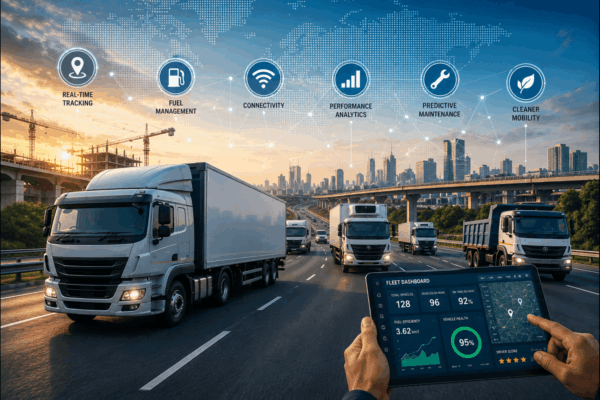
Digitalisation has already transformed concrete equipment into intelligent, data-driven assets, and this momentum will continue to shape the next generation of machines. IoT-enabled platforms and advanced telematics now provide real-time insights into parameters such as fuel consumption, concrete pressure, and equipment performance, helping improve utilisation, reduce idle time, and enhance productivity. Automation is also driving faster and more precise construction, while embedded sensors ensure better quality and consistency by monitoring critical factors like concrete temperature and moisture. In parallel, predictive maintenance powered by data analytics is minimizing downtime and improving overall project efficiency. Looking ahead, the future will be driven by greater adoption of autonomy, artificial intelligence, and digital ecosystems. Equipment is expected to evolve toward semi-autonomous operations, with features such as AI-based navigation, auto-leveling, and collision avoidance enhancing safety and efficiency on job sites. The emergence of digital twin technology will enable real-time simulation and smarter decision-making, while innovations like 3D concrete printing will redefine construction by enabling faster, more resource-efficient execution. Sustainability will also be a key focus, with next-generation batching plants moving toward circular systems capable of recycling materials and reducing waste. Overall, the industry is progressing toward smarter, safer, and more sustainable construction solutions that significantly improve productivity, quality, and project delivery timelines.
What role have government policies played in the growth of the concrete equipment sector in India, and what further policy support is needed to drive the industry forward?
Government policies like the National Infrastructure Pipeline (NIP) and PM Gati Shakti have been the primary engines of growth, creating a predictable $1.4 trillion pipeline that justifies large-scale fleet investments. The recent Budget 2026 introduced the ₹200 crore Scheme for Enhancement of Construction and Infrastructure Equipment (CIE), specifically targeting the localization of high-value machinery like tunnel-boring machines and high-reach pumps to reduce import dependency. Furthermore, the mandatory transition to CEV Stage-V emission norms as of 2025 has forced a technological leap toward cleaner diesel and hybrid systems, aligning Indian manufacturing with global standards. To drive the industry toward the $25 billion target by 2030, further policy support is needed in the form of a dedicated Production Linked Incentive (PLI) scheme specifically for construction equipment to offset the 10–15% cost increase from emission compliance. Additionally, granting “Infrastructure Status” to the sector would allow for easier access to low-cost financing. Establishing standardized scrappage policies for older, polluting machinery and providing GST incentives for Electric and CNG-powered equipment would further accelerate the adoption of sustainable “Green” technologies across urban India.
After-sales service plays a crucial role in building brand loyalty. What after-sales support & services does your organisation offer to ensure customer satisfaction and long-term relationships?
We prioritize “Zero Downtime” as the cornerstone of our brand loyalty, moving beyond simple repairs to a lifecycle management approach. Our extensive pan-India network of service centers and spare parts depots ensures that critical components are delivered within 24 to 48 hours, even to remote project sites. We offer tailored Annual Maintenance Contracts (AMC) and Comprehensive Maintenance Contracts (CMC), where our factory-trained engineers take full responsibility for machine health, allowing contractors to focus purely on execution. A key differentiator is our Remanufacturing & Overhauling program, which allows customers to extend the life of aging assets with limited warranties at a fraction of the cost of new machinery. Leveraging our “SmartCore” telematics, we provide predictive diagnostics, alerting customers to potential issues before they cause site stoppages. Furthermore, through our dedicated training centers, we have upskilled thousands of operators, ensuring that our equipment is handled with the technical expertise required for peak performance. This blend of rapid physical response and proactive digital monitoring transforms our relationship from a mere equipment vendor to a long-term strategic partner in our customers’ growth.
As India moves towards its US$5 trillion economy goal, massive volumes of concrete will be required to support infrastructure development, placing concrete equipment at the centre of this transformation. How is your organisation aligning its strategy to support this growth?
We are aligning our strategy with India’s $5 trillion ambition by transitioning from a concrete equipment manufacturer to a full-spectrum infrastructure partner. At the heart of this shift is our Cheyyar Global Manufacturing Hub, which has been scaled to not only meet surging domestic demand but also serve as a high-precision export base for 100 countries. By localizing the production of high-capacity machinery like our 56-meter boom pumps and self-loading mixers, we are slashing lead times for critical projects such as the High-Speed Rail and multi-modal logistics parks. Furthermore, we are anchoring our growth in Industrial Sustainability and the Circular Economy, introducing electric and hybrid transit mixers that align with the national “Net Zero” agenda. Our digital transformation, led by IoT-driven predictive maintenance, ensures that the massive volumes of concrete required are delivered with zero-defect consistency and maximum uptime. By expanding into crushing, screening, and material handling, we now provide a consolidated “pit-to-pour” solution, enabling contractors to accelerate construction speeds while minimizing their carbon footprint, thereby directly supporting the rapid scalability required for a $5 trillion economy.
Tags