The Manufacturing Surge: How Tier-2 Cities are Driving India’s Industrial Growth

by Santosh Agarwal, Executive Director & CFO, Alpha Corp Development
For decades, India’s economic growth and real estate expansion were anchored in Tier-1 cities, drawing most infrastructure investments and industrial setups. But that landscape is shifting. Rising costs, saturation, and urban congestion are pushing businesses, investors, and homebuyers to explore beyond the metros. Now, Tier-2 cities are emerging as powerful engines of industrial expansion and real estate opportunity.
Rise of Tier-2 Cities as Real Estate Hotbeds
The surge in Tier-2 cities is being driven by multiple factors. Chief among them is affordability. With skyrocketing property prices in metros, both developers and buyers are exploring cost-effective alternatives. Land and space in Tier-2 markets are not only more affordable but also more readily available, offering developers the flexibility to design larger projects, integrated townships and mixed-use developments. In addition, many tier 2 cities have rising disposable incomes, aspirations for improved housing, and an expanding middle class that seeks modern amenities.
These factors are directly translating into rising sales. Housing transactions in these smaller cities recorded an 11 per cent increase in the last fiscal year, with over 2.08 lakh units sold across 30 Tier-2 towns. The entry point for buyers is lower, attracting middle-income families and first-time homeowners. Investors, too, are drawn by higher rental yields and better long-term appreciation potential compared to saturated Tier-1 markets.
However, affordability is just one of the many forces at play here. Improved air quality, less congestion, and a better quality of life are also pulling professionals and families away from mega cities. Lifestyle is becoming a critical decision-making factor for many young homebuyers, and Tier-2 cities offer the perfect balance of modern conveniences and liveability.
India’s industrial geography is also undergoing decentralization. Rising operational costs, traffic bottlenecks, and limited expansion opportunities in metros are prompting industries to set up bases in Tier-2 hubs. Proactive state-level policies, coupled with government incentives, are accelerating this transition.
As a result, most Tier-2 cities are transforming into IT, start-up, and manufacturing hubs, which in turn is attracting talent, capital, and opportunities. This economic activity directly fuels demand for:
Residential Real Estate: Housing for workers, professionals, and entrepreneurs moving to these cities.
Commercial Spaces: Grade-A offices, co-working hubs, and retail ecosystems.
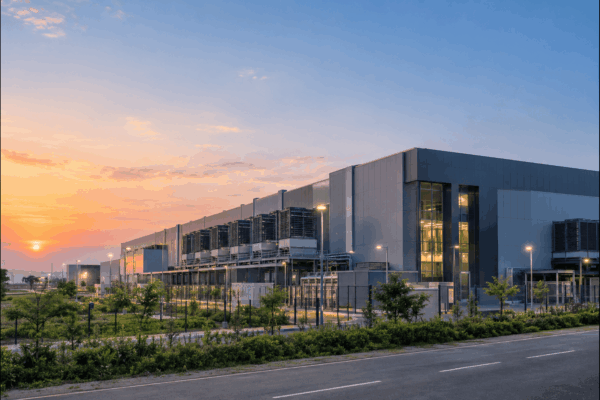
Industrial & Warehousing: Logistics hubs, storage facilities, and industrial parks catering to manufacturing and e-commerce growth.
A direct outcome of this development is a multi-fold rise in both residential and commercial real estate demand, creating an ecosystem that supports long-term urban expansion.
Policy Support and Developer Response
Government reforms have laid the foundation for this growth. RERA has brought transparency and accountability to real estate markets, building investor confidence. Tax benefits on affordable housing and schemes like the Pradhan Mantri Awas Yojana (PMAY) have enabled first-time buyers to step into homeownership more easily. Coupled with a push for smart cities and digitized approvals, these initiatives are giving Tier-2 cities a competitive edge.
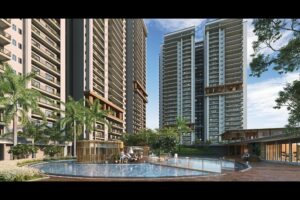
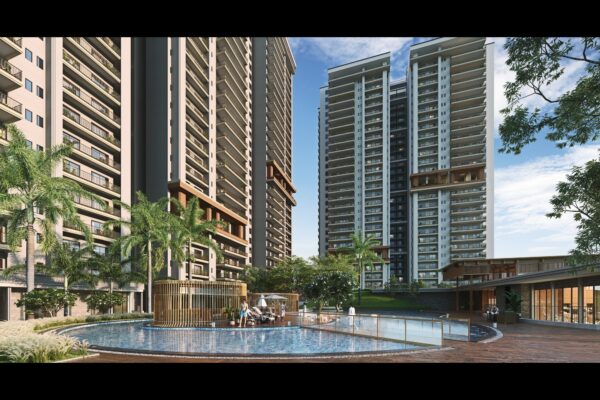
Developers have responded with a new wave of projects tailored to the aspirations of middle-class families. No longer confined to basic housing, these projects now feature smart homes with automation, sustainable designs with rainwater harvesting and solar power, and modern lifestyle amenities such as gyms, pools, jogging tracks, and co-working spaces. Developers are also focusing on customer service, after-sales support, and offering virtual site tours to build credibility in markets that are still maturing.
How Infrastructure is Shaping Skylines in Tier-2 Cities
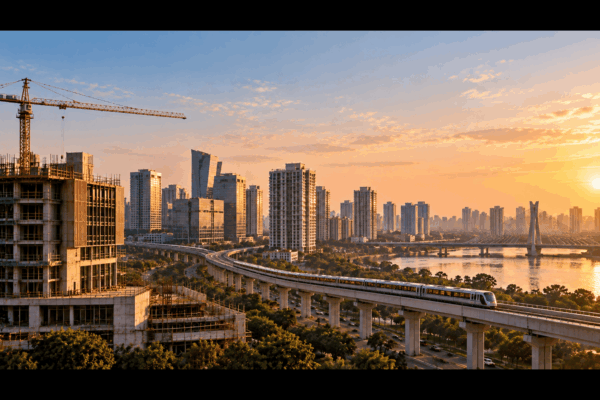
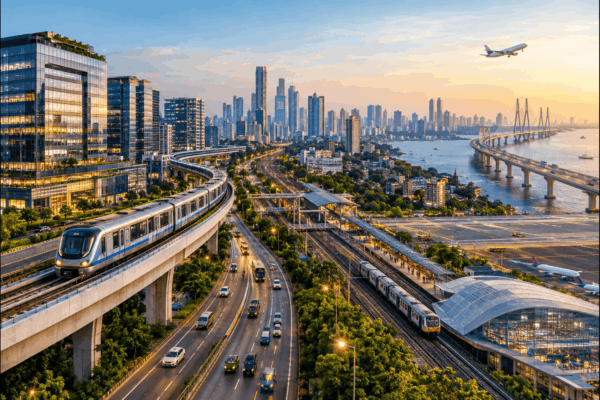
Industrial growth is creating demand, but it is infrastructure that truly turns potential into opportunity. Roads, airports, and transit systems have always been central to economic growth—driving industries, creating jobs, and improving quality of life. Their role is especially clear in real estate, where every new project becomes the foundation for a city’s transformation.
This trend is now most visible in India’s Tier-2 cities. A CREDAI–Liases Foras report shows that 44 per cent of the 3,294 acres bought by developers in 2024 were in Tier-2 and Tier-3 hubs.
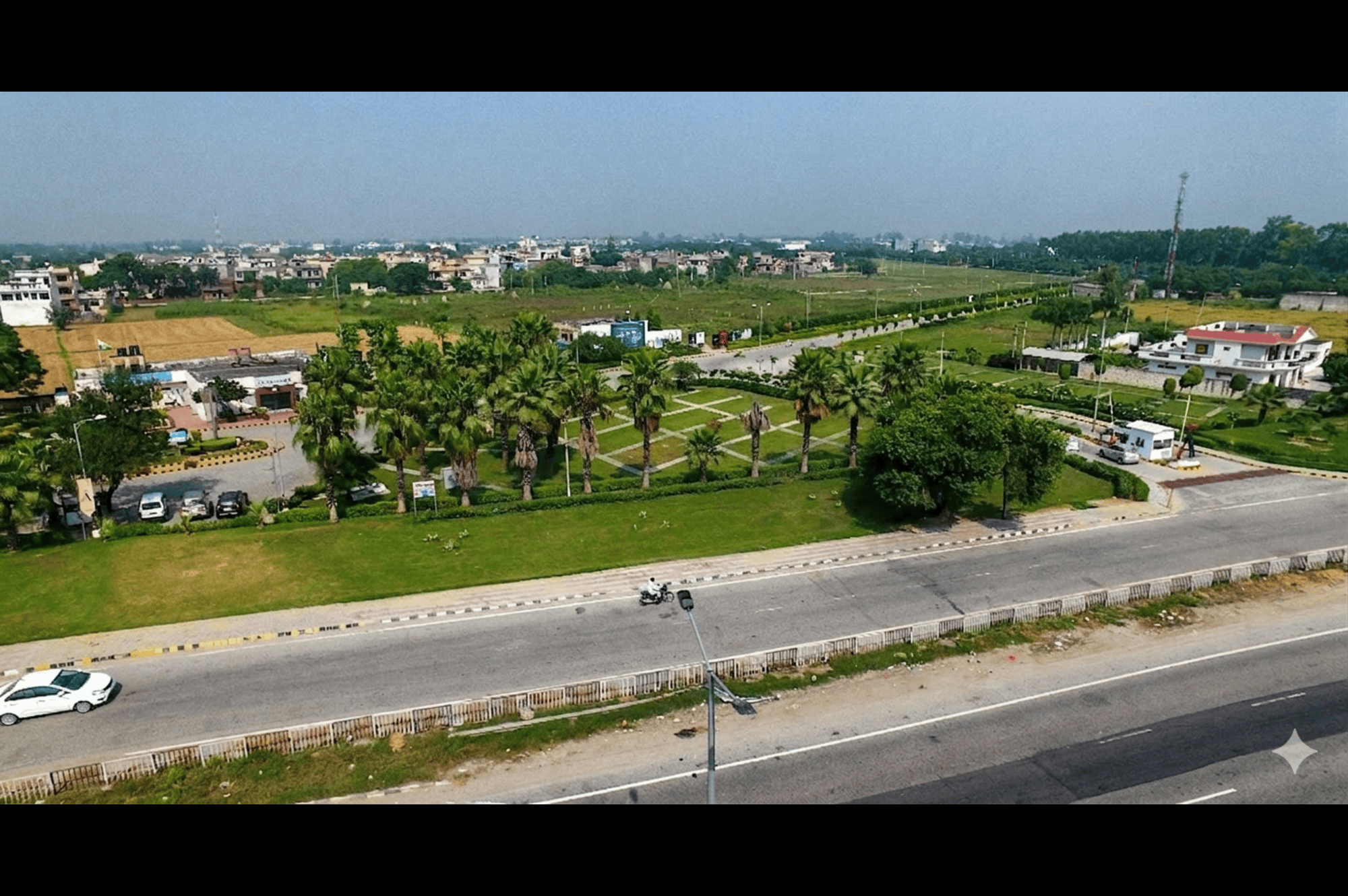
Residential and commercial markets in these smaller cities are growing faster than in big metros, showing strong investment appeal. Lucknow has seen the sharpest rise, with property prices increasing by 22.61 per cent year-on-year, supported by expressways, metro extensions, and ring road projects. In the north, Chandigarh and Mohali are turning into major investment corridors. With the expansion of Chandigarh International Airport and new road networks like PR-5 and PR-7, connectivity has improved sharply. This is driving demand for luxury housing, gated communities, and Grade-A commercial spaces, drawing both investors and homebuyers to the region.
The Road Ahead
Tier-2 cities are emerging as the driving force behind India’s next phase of industrial and real estate growth. With progressive government policies, rapid infrastructure upgrades, and rising aspirations, these cities are steadily positioning themselves as engines of balanced urbanization and sustainable development. The shift in investor sentiment is clear. Tier-2 cities are no longer viewed as secondary options but as strategic investment destinations. They promise high returns, an improved quality of life, and rapidly advancing infrastructure. These cities are, thus, reshaping India’s real estate growth narrative and laying the foundation for long-term transformation.
Tags