Why Integrated Commercial Developments Are the Future of Urban Business Hub

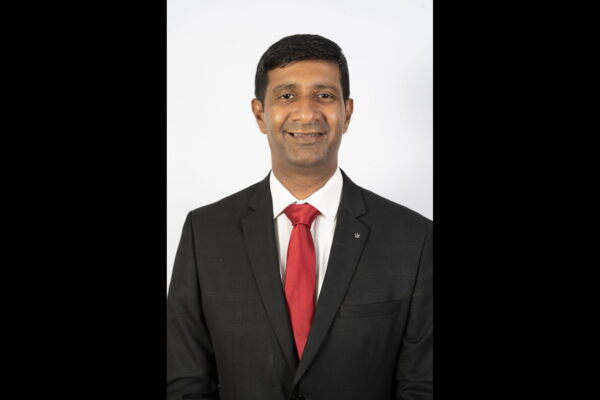
by Ashish Sharma, AVP Operations, Brahma Group
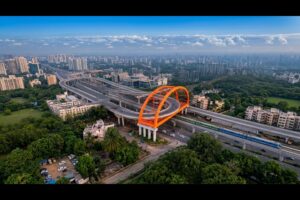
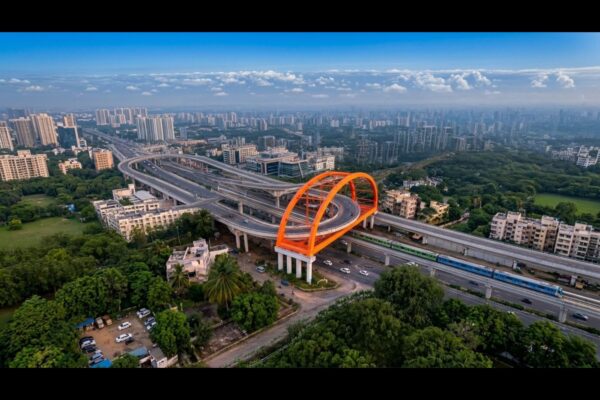
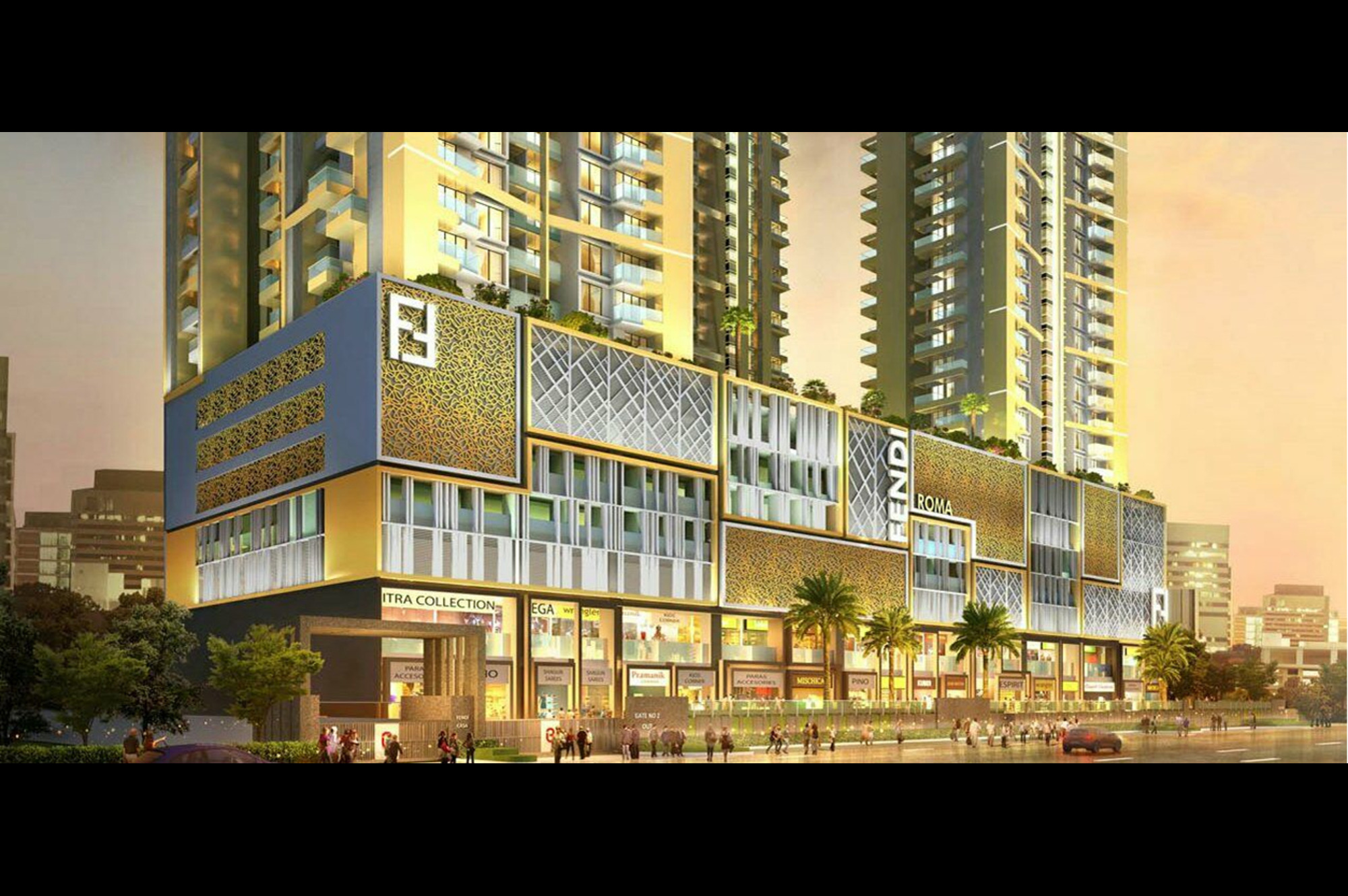
Rapid urbanization and evolving business needs are reshaping the way cities design and utilize commercial spaces. Traditional standalone offices and retail centers are increasingly being replaced by integrated commercial developments that combine workplaces, retail, hospitality, and lifestyle amenities within a single, well-planned environment. These developments are not only optimizing limited urban land but also fostering greater efficiency, connectivity, and convenience for businesses and consumers alike. By creating multifunctional hubs that support work, commerce, and social interaction, integrated commercial developments are emerging as a strategic model for sustainable and future-ready urban business districts.
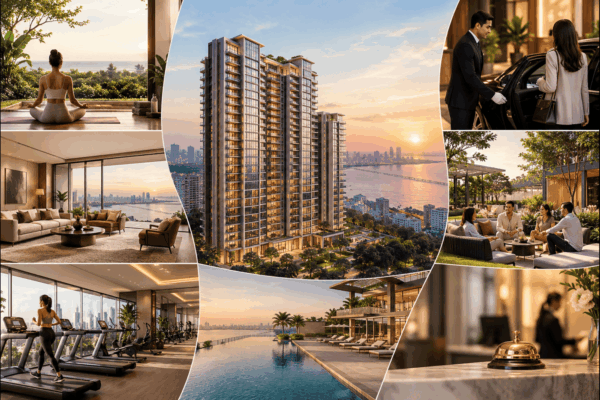
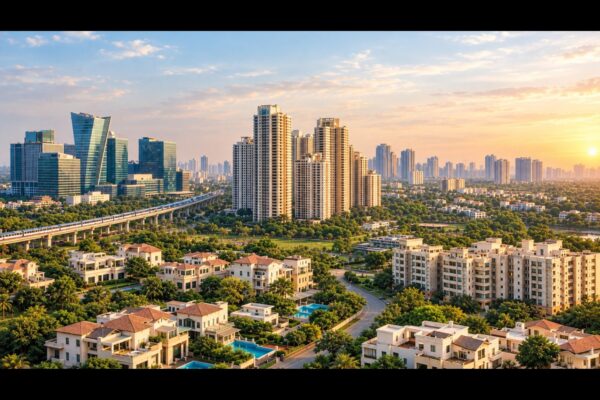
One of the most significant drivers behind integrated commercial developments is the increasing pace of urbanisation. As cities expand and land becomes scarcer, developers and urban planners are exploring ways to maximise land use while maintaining functionality and convenience. Integrated developments offer an efficient solution by bringing together multiple commercial and lifestyle elements within a single project. By blending offices, retail spaces, restaurants, and leisure zones into a unified development, these hubs create dynamic environments where professionals can work, connect, and unwind without leaving the precinct.
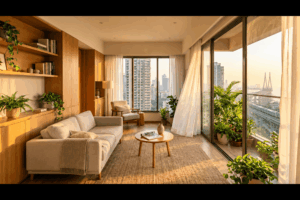
For developers, such projects present an opportunity to create future-ready commercial destinations that respond to evolving workplace trends. Businesses today are not only looking for premium office spaces but also for environments that support employee well-being and engagement. Integrated commercial hubs provide exactly that, workspaces surrounded by cafés, fitness centres, landscaped areas, and social spaces that enhance the overall workplace experience. These environments foster collaboration and innovation while helping companies attract and retain top talent.
Another key advantage of integrated developments is their ability to create thriving business ecosystems. When office spaces coexist with retail outlets, hospitality venues, and entertainment facilities, they generate continuous activity throughout the day. This creates a vibrant commercial environment that benefits both businesses and consumers. For developers, this model allows projects to become more than just office complexes, they transform into dynamic urban destinations that attract consistent footfall and long-term commercial value.
Integrated developments also play a crucial role in addressing urban challenges such as traffic congestion and inefficient city planning. By concentrating workplaces, services, and lifestyle amenities in one location, these projects reduce the need for frequent commuting across the city. Professionals working in such developments can access dining, shopping, and leisure facilities within walking distance, creating more efficient and liveable urban districts. For developers, this approach contributes to building sustainable and well-connected business hubs that align with modern urban planning principles.
Sustainability has also become a central consideration in the development of modern commercial infrastructure. Many integrated projects today incorporate green building practices, energy-efficient technologies, and pedestrian-friendly designs. Features such as landscaped open spaces, smart energy systems, and environmentally responsible construction methods help reduce the environmental footprint of large developments while improving the overall quality of the built environment. By prioritising sustainability, developers can create commercial hubs that are both environmentally responsible and future-ready.
From an investment perspective, integrated commercial developments also offer strong long-term value. Unlike traditional commercial properties that rely solely on office leasing, integrated projects generate revenue from multiple sources including retail, hospitality, and entertainment components. This diversified model strengthens the financial viability of large developments while enhancing their attractiveness to investors and businesses alike.
Across India’s major business centres, including Delhi NCR, Mumbai, Bengaluru, and Hyderabad, the rise of integrated developments is already shaping the future of commercial real estate. These large-scale projects are redefining urban business districts by creating environments that seamlessly combine work, lifestyle, and community engagement.
For real estate developers, integrated commercial developments represent more than just a design trend, they reflect a strategic approach to building future urban ecosystems. By creating spaces that bring together businesses, services, and social experiences, developers can help shape cities that are more efficient, vibrant, and resilient.
As urban centres continue to grow and evolve, integrated commercial developments will play a critical role in defining the next generation of business hubs, spaces where productivity, convenience, and lifestyle converge to create truly modern urban environments.
Tags