Resonia signs MoU with Amber Wings to deploy advance heavy lift drone technology

Resonia has signed a MoU for a strategic Joint Venture with Amber Wings, a wholly owned subsidiary of Ubifly Technologies. This first-of-its-kind initiative is set to transform material logistics and construction workflows through heavy lift drone technology.
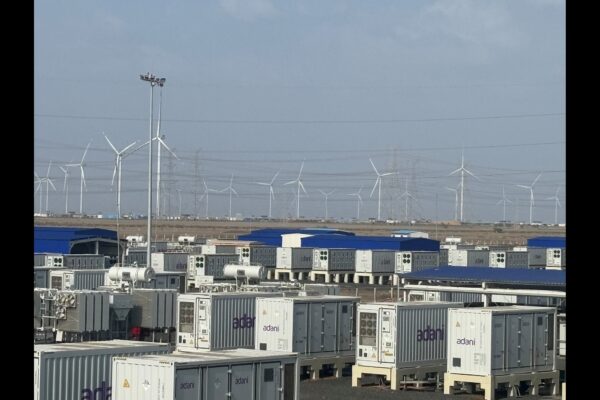
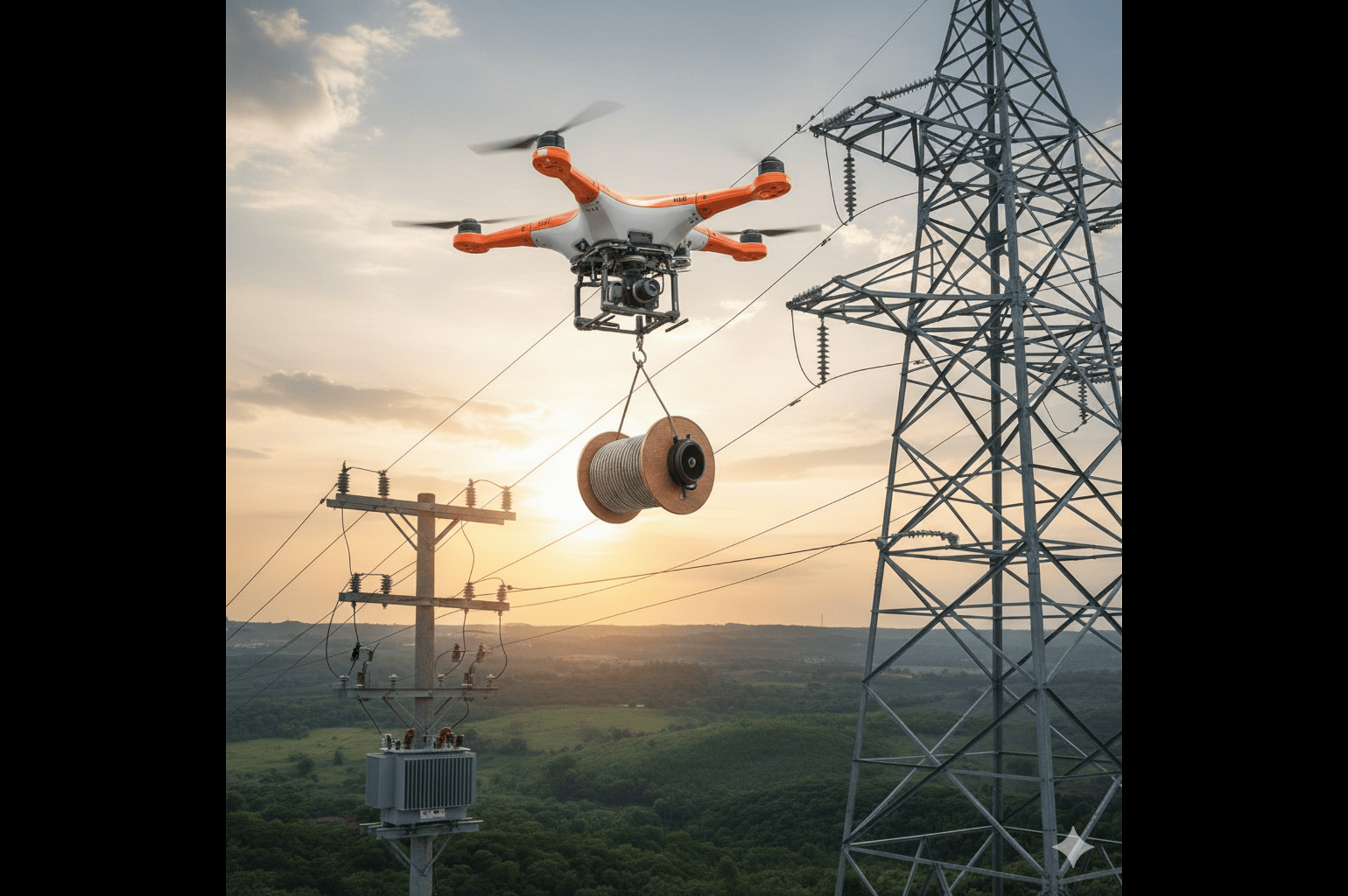
The MoU for a strategic JV is set to transform how India builds its critical infrastructure, replacing slow, manual logistics with autonomous, heavy-lift aerial systems. The MoU follows the successful pilot engagement on the Khavda IV C Transmission Project, with M50 delivery drones transporting up to 4 tonnes of material per day across challenging terrain. This helps in cutting manual effort, reducing on-ground risks, and accelerating project timelines. The MoU reinforces Resonia’s leadership in adopting transformative technologies for safer, faster, and more efficient power infrastructure delivery.
Commenting on the development Arun Sharma, CEO, Resonia, said, “By integrating heavy lift drone technology, Resonia is enhancing efficiency and safety on the Khavda IV C Transmission Project while laying the foundation for next-generation mechanisation across the sector. This milestone reaffirms our commitment to breakthrough innovation and strengthens our ability to deliver complex projects with greater speed, precision, and excellence.”
“This Amber Wings and Resonia agreement, signed at the world’s most influential aerospace event, significantly boosts India’s advanced aerial systems, focusing on enhanced payload drones, cooperative swarm tech, and autonomous tower installation. This synchronized effort will accelerate development and deployment, ensuring practical impact. We are excited about the potential use cases our drone platform can enable,” said Prof Satya Chakravarthy, Founder, Ubifly Technologies and CTO Amber Wings.
By deploying drone systems for material movement, tower assembly support and remote logistics, Resonia is moving away from conventional, high-risk, and manual construction practices and instead adopting modern, agile, and tech-led solutions.
Tags