Why Plotted Developments are Regaining Trust in an Apartment-Dominated Market

by Parvinder Singh, CEO, Trident Realty
solved scale, pricing, and regulatory alignment at a time when cities were expanding quickly. In most markets, especially after the implementation of RERA, group housing has become the dominant format almost by default.
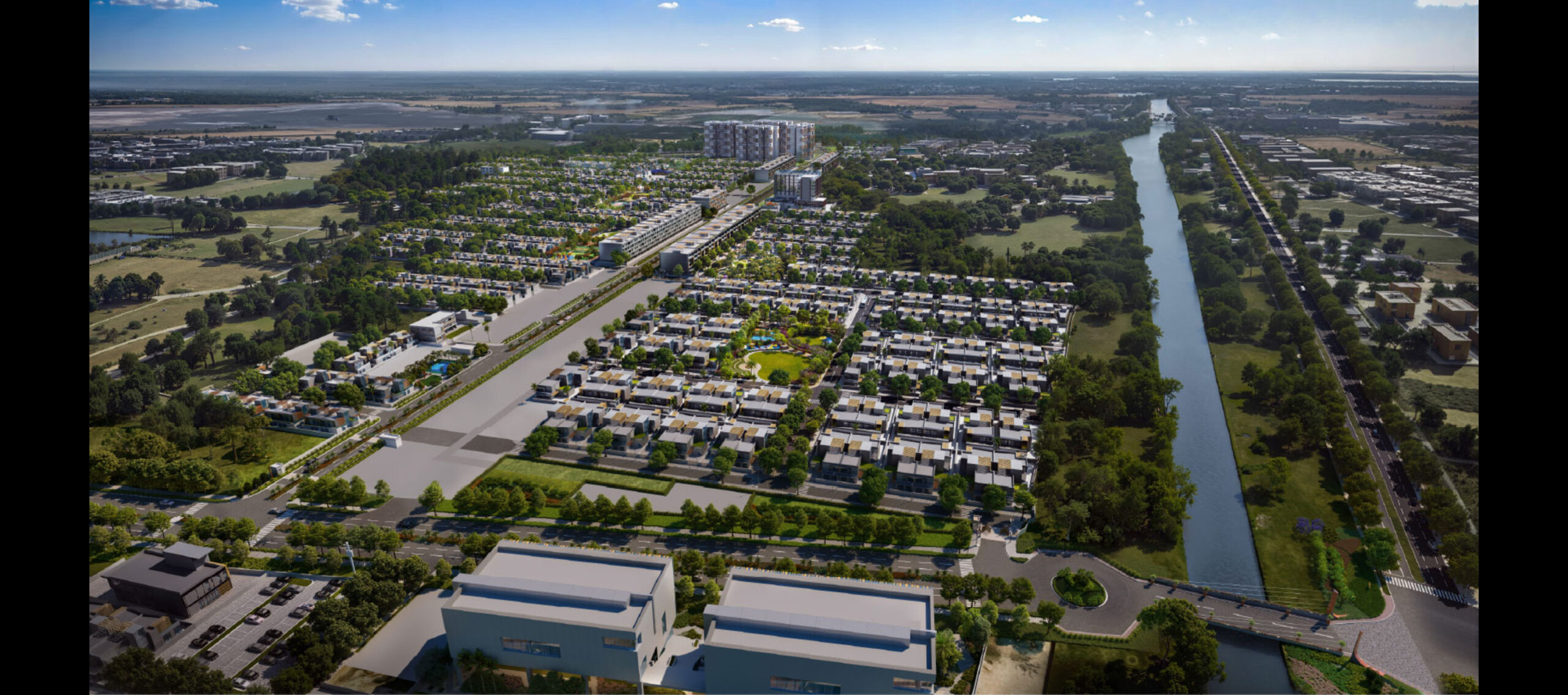
In practical terms, plotted developments are no longer sitting on the edges of the residential conversation in and around Chandigarh, Panchkula, and Mohali. They are now a visible part of organised supply, especially where development follows approved layouts and basic infrastructure is already in place. It marks a clear departure from the previous cycle when apartments accounted for nearly all formal launches.
A Region Shaped by Disciplined Planning
Part of the explanation lies in how the Tri-City has evolved. Unlike denser metros, the region has long operated under sector-based planning, defined land-use zoning, and relatively lower congestion thresholds. This has allowed land-led residential formats to exist alongside apartments, particularly in designated expansion areas governed by master plans.
Around Panchkula, plotted projects have largely emerged within licensed layouts, along arterial roads and planned growth corridors. These are not fragmented land parcels. They sit within a planning framework that sets expectations around access, land use, and servicing responsibilities.
Regulation Has Reduced, Not Removed, Risk
Over time, regulatory enforcement has reduced the information gap that once separated apartments and plots. Organised plotted developments now fall under disclosure and compliance norms that bring greater clarity to approvals and development obligations.
What continues to differentiate outcomes is execution. Market activity continues to focus on serviced developments, where the delivery of roads, drainage, utilities, and access is either upfront or clearly specified.Unregulated land offerings, by contrast, continue to face liquidity and valuation challenges.
Infrastructure Has Changed the Map
Infrastructure has played a decisive role in this stabilisation. Over several years, the Tri-City Region has seen continued public investment in road networks and inter-city connectivity. Improved movement between Panchkula, Chandigarh, and Mohali has reshaped distance perception within the region.
As access improves, more locations fall within the zone of organised residential development. Peripheral sectors that once struggled to integrate are now easier to service, provided they align with planning norms and infrastructure provisioning.
Financing Reflects Structure
Financing patterns mirror this orderliness. Banks and housing finance companies have shown greater comfort lending against plots located within approved and serviced layouts. Where documentation and zoning are clear, plot loans have become a more regular feature of residential lending, reinforcing the divide between organised and unorganised supply.
Apartments Still Anchor the Market
This shift should not be mistaken for a decline in apartments. High-rise housing continues to dominate residential volumes across Northern India, particularly in established urban centres where density is unavoidable. Apartments remain essential to meeting housing demand at scale.
What has evolved is the mix of organised housing formats in planned regions.
A Structural, Not Cyclical, Shift
From a planning standpoint, this broader mix supports long-term urban objectives. When lower-density residential development is directed toward peripheral zones and supported by infrastructure and regulatory oversight, cities can expand without placing undue strain on their cores.
Seen through this lens, the renewed presence of plotted developments around Panchkula and the wider Tri-City reflects more than a passing phase. It is the result of regulation, infrastructure investment, and financing practices moving in the same direction, making land-led housing a stable and organised part of Northern India’s residential market once again.
Tags